Smart Appliances Harness Off-Peak Electricity for Savings
Picture this scenario: your morning coffee brews as your dishwasher completes its cycle, both drawing from electricity that costs next to nothing. Your home operates with seamless efficiency, pulling power when the grid experiences low demand and reduced rates. No manual intervention is required. Grid-interactive smart appliances make this possible, transforming household energy consumption patterns.
Understanding Fluctuating Electricity Demand
Electricity rates vary by time of day. Peak periods, such as afternoons when air conditioners and electric vehicles draw heavily, result in elevated prices. Utilities face challenges in supplying sufficient power, which increases costs and stresses infrastructure. In contrast, off-peak times generate excess capacity that goes underutilized, often at minimal or no additional cost.
The core issue involves synchronization. Households typically operate washers, dryers, and ovens based on convenience rather than optimal pricing. Relying on manual schedules or delaying tasks until late night proves impractical for busy schedules.
How Grid-Interactive Appliances Address the Issue
These devices integrate with home Wi-Fi and utility demand-response initiatives to optimize operations according to current rates. They activate during low-cost windows and defer activity during high-demand intervals. This automation eliminates the need for constant monitoring.
Major manufacturers now produce models with built-in grid compatibility. Participation in utility programs can yield credits or incentives for contributing to demand balancing.
Operational Mechanics
Grid-interactive appliances link to the smart grid via home networks or dedicated hubs. Utility signals prompt adjustments: during high demand, operations pause or scale back; off-peak cues trigger resumption or increased activity.
Consider these examples:
- LG ThinQ Electric Dryer (approximately $999): Schedule loads ahead, and it initiates cycles when off-peak rates apply.
- Rheem ProTerra Hybrid Water Heater (approximately $1,799): It heats water during cheap hours and maintains supply throughout the day without additional draws.
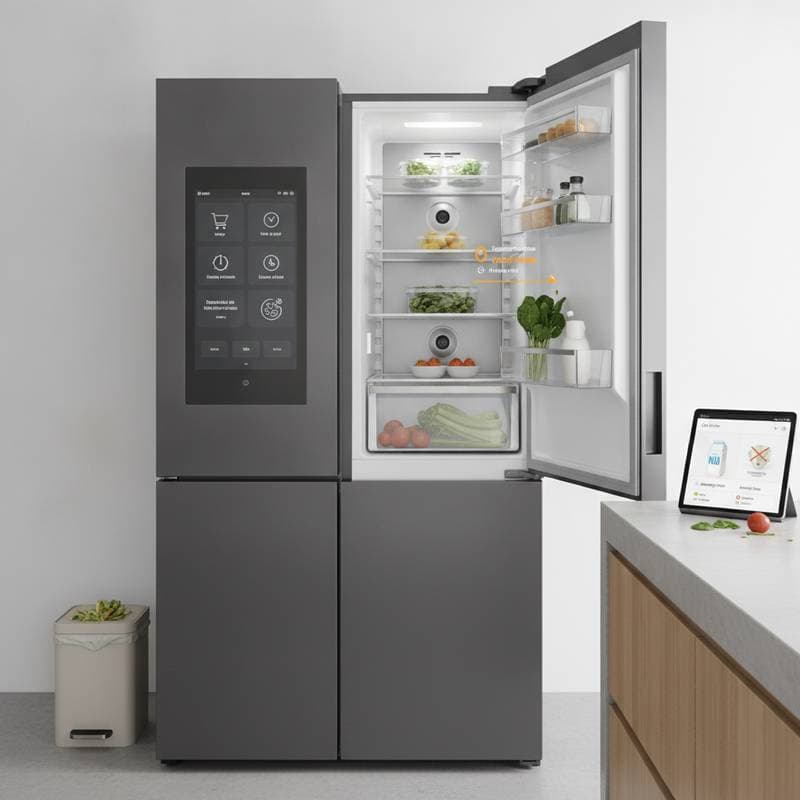
- GE SmartHQ Refrigerators (starting at approximately $1,300): Compressors modulate subtly to sidestep peak loads while preserving food integrity.
Industry experts note that many units include demand-flexibility modules, activatable as utilities expand programs. Future-proofing occurs even if local support lags.
Establishing a Grid-Interactive Setup
Initiate with targeted upgrades aligned to routines. Dishwashers or laundry pairs suit cyclical tasks well.
Follow these steps:
- Select ENERGY STAR-rated models marked as smart grid ready or demand response enabled.
- Link to Wi-Fi using the app's QR code process.
- Opt into your utility's time-of-use pricing structure, which differentiates peak and off-peak charges.
- Activate demand-response options via the appliance interface.
- Review monthly reports to track kilowatt-hour rate reductions.
Investment and Return Analysis
Basic connected units, such as dishwashers or microwaves, begin at $500. Mid-tier laundry systems with scheduling features range from $1,000 to $1,500. Advanced grid-interactive options exceed $2,000.
Savings vary by rate plans but often reduce bills by 10 to 20 percent through off-peak shifting. Annual gains reach hundreds of dollars on time-of-use tariffs. Utilities provide rebates of $50 to $200 per enrolled device.
Practical Considerations for Budget and Safety
Installation mirrors conventional appliances, with connectivity as the primary addition. Verify Wi-Fi coverage in relevant areas; mesh networks address gaps if needed.
For circuit upgrades, engage a licensed electrician to comply with codes. Dedicated lines may be necessary for certain dryers or heaters.
Prior to purchase, verify compatibility with platforms like EcoPort, EnergyHub, or Google Home Energy integrations. This ensures reliable signal reception and response.
Enhancing with Solar and Storage Systems
Pairing with solar panels or batteries amplifies benefits. Systems such as Tesla Powerwall or Enphase IQ Battery allow appliances to utilize stored solar during peaks, recharging off-peak.
Homeowners may receive credits for grid contributions from batteries. This integration, known as load orchestration, positions residences as active energy partners.
Convenience Features in Daily Life
Automation frees mental space from timing concerns. Cycles complete at optimal moments: dishwashers before meals, laundry overnight, water on demand.
Apps display per-cycle costs, contrasting low off-peak runs against peak expenses. Tools like Samsung SmartThings Energy track carbon footprints alongside finances.
Real-time insights foster informed choices, extending efficiency to non-smart devices.
Contributions to Grid Stability
Collective off-peak shifts across households enable utilities to optimize operations. This diminishes reliance on supplemental plants, steadies voltage, and facilitates renewable integration like wind and solar.
U.S. Department of Energy studies on connected communities indicate potential peak demand reductions of 20 percent in select areas, promoting sustainable and reliable power.
Steps to Implement
Assess your utility's offerings for time-of-use rates or demand-response pilots, which may include complimentary smart plugs or incentives.
Identify priority upgrades: water heaters for substantial savings, dishwashers or laundry for simplicity.
For installations, connect with local professionals via vetted services.
After setup, evaluate a month's data. Expect cost drops and streamlined routines. Expanding to more devices creates an automated energy oversight system.
Embracing Efficient Energy Integration
Grid-interactive appliances extend beyond savings to foster mindful energy use. Control arrives effortlessly, utilities benefit from adaptability, and ecosystems gain relief.
From self-managing kitchens to cost-effective laundry, readiness defines this era. Homes evolve into collaborative systems, aligning operations with grid rhythms for optimized comfort.
FAQs
What defines a grid-interactive appliance?
It connects to utilities and modifies operations according to pricing or demand signals.
Do solar panels prove necessary?
No, though they enhance outcomes; functionality requires only a compatible plan on standard service.
How do appliances behave during power outages?
They default to manual modes, adjusting schedules solely when grid communications function.
Which brands excel in smart grid technology?
LG, GE, Samsung, and Rheem lead with robust demand-response features.
Is manual override available?
Yes, immediate control remains an option at all times.
Does utility connection expose personal data?
Only usage and timing details transmit; personal identifiers stay private.
How to confirm utility support?
Visit the provider's site for sections on efficiency or time-of-use initiatives.
Does upgrading justify itself for functional older appliances?
For units over ten years, gains in efficiency and program access often outweigh retention.