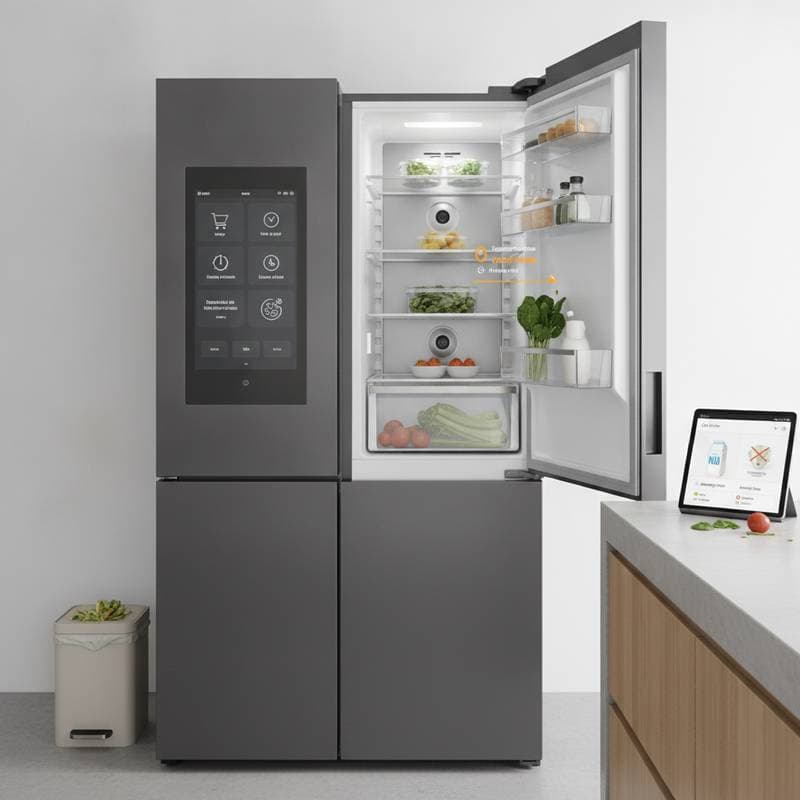
Advancements in AI Refrigerator Technology
Smart homes evolve from mere convenience to mindful efficiency. The latest connected refrigerators demonstrate that innovation serves both practicality and sustainability. Artificial intelligence enables meal planning, inventory monitoring, and freshness notifications, which cut food waste by nearly 50 percent. Households aiming to lower expenses and streamline operations find this upgrade particularly valuable.
The Challenge of Household Food Waste
Households discard a significant portion of groceries weekly. Forgotten leftovers, expired produce, and excess purchases accumulate rapidly. Surveys indicate that consumers frequently lose sight of refrigerator contents or their shelf life. Even dedicated meal planners face difficulties amid demanding schedules. This leads to financial loss and added environmental burden.
Standard refrigerators maintain cold temperatures but offer no guidance on purchases or consumption. Smart refrigerators shift this dynamic by converting passive storage into proactive intelligence. They preserve food while also planning, reminding, and recommending.
Core Features of Intelligent Refrigerators
Modern AI refrigerators incorporate internal cameras, cloud-based analytics, and linked applications to assess contents. These systems identify items, record expiration dates, and propose meals from available ingredients. Pattern recognition forms the foundation of their effectiveness. The technology adapts to household eating patterns over time. It tracks restocking frequency for items like milk, consumption rates for vegetables, and oversight of leftovers. Based on this information, the refrigerator provides targeted advice, such as using spinach promptly or including eggs in the next purchase.
Brands like Samsung, LG, and Bosch offer models with these functions. Certain units link directly to grocery delivery platforms for effortless replenishment. Others integrate with meal planning applications that modify recipes according to inventory.
Impacts on Daily Life and Sustainability
Benefits extend beyond preventing spoilage. Smart refrigerators reshape consumption patterns. They promote deliberate shopping, thoughtful cooking, and reduced impromptu store visits. For families with tight schedules, this results in more organized routines and decreased stress.
Energy use also declines. Less food waste means fewer shopping trips, reduced appliance operation for cooking, and lower packaging disposal. These changes create broader effects. Experts project that broad adoption of smart refrigerators could substantially decrease national food waste, alleviating landfill strain and cutting greenhouse gas emissions.
Integrating AI into Meal Planning
Meal planning once required manual effort. AI refrigerators automate this process. They monitor possessions, forecast needs, and suggest balanced meals. The system matches recipes to inventory, prioritizing perishable items to prevent waste.
Consider accessing the refrigerator to view a screen proposing dinner from current stock: chicken, broccoli, and rice suggest a stir-fry. Such guidance often determines whether a family prepares a home meal or opts for takeout.
For health-conscious individuals, recommendations align with preferences. Systems accommodate vegan, gluten-free, or calorie-restricted diets. This functions like a dedicated nutrition advisor that also manages groceries.
Case Studies from Leading Brands
LG refrigerators employ internal cameras to detect food items and issue expiration warnings. Samsung Family Hub models connect to grocery apps, automatically populating shopping lists as supplies dwindle. Bosch Home Connect units scan barcodes and link to recipe libraries, prioritizing meals by freshness.
These capabilities represent accessible tools for contemporary kitchens, not distant ideas. Initial users note weekly food waste reductions approaching 50 percent. This shift yields financial savings and eases ethical concerns.
Addressing Adoption Challenges
Clear advantages exist, yet obstacles persist. Smart refrigerators cost more than basic units, prompting hesitation among buyers. Privacy issues arise from image analysis and app connectivity, which depend on cloud data.
Manufacturers counter these with enhanced encryption and local storage alternatives. As manufacturing expands and rivalry intensifies, costs should decrease. Long-term gains from waste reduction and fewer errands strengthen the case for investment.
Fostering Mindful Consumption Habits
AI refrigerators align with wider lifestyle evolutions. Individuals seek residences that support efficiency and accountability. Smart devices progress from automation to guidance, steering toward improved practices. This aligns with rising interest in products blending ease and environmental care.
A smart refrigerator goes beyond freshness preservation. It prompts reevaluation of buying, storing, and cooking methods. It clears both refrigerator space and schedule clutter. Families balancing technology with intentional living view this as a logical progression.
Steps to Implement a Smarter Kitchen
When upgrading a refrigerator, prioritize models with AI meal planning and live inventory features. Verify integration with current smart home setups. Investigate applications for grocery ordering, diet monitoring, and recipe development.
Follow these steps to begin:
- Assess current habits. Monitor household food waste for one week to establish a reference point.
- Compare options. Examine attributes like cameras, alerts, and shopping links.
- Engage with insights. After installation, heed suggestions. Accuracy improves as the system learns patterns.
- Refine shopping. Purchase less frequently but with purpose. Allow refrigerator data to inform lists over store impulses.
Smart refrigerators mark more than a kitchen fad. They signal homes that adapt, educate, and enhance living quality.
Intelligent, tailored, and eco-friendly meal planning defines the path ahead. A refrigerator that halves food waste transcends basic utility.