Understanding Smart Blinds and Their Role in Energy Savings
Smart blinds represent an innovative approach to home automation, designed to optimize natural light and temperature control. These devices employ sensors and artificial intelligence to respond to environmental changes, particularly sunlight intensity and outdoor conditions. By automating shade adjustments, they minimize heat gain during peak summer hours, which directly impacts air conditioning demands.
Traditional blinds require manual operation, often leading to inconsistent energy management. In contrast, smart blinds integrate seamlessly with home systems, providing a hands-free solution that enhances daily living. This technology proves especially valuable in regions with intense sunlight, where cooling costs can dominate household expenses.
The Power of Weather Data Integration
At the core of smart blinds functionality lies their ability to access real-time weather data. Through connections to online weather services or local sensors, these blinds predict solar patterns and temperature shifts hours in advance. For instance, on a forecasted hot day, the system lowers shades preemptively to block ultraviolet rays before they enter the home.
This predictive capability stems from AI algorithms that analyze data such as humidity levels, cloud cover, and UV index. Users benefit from customized settings that align with personal preferences, ensuring rooms remain cool without over-relying on mechanical cooling. The result is a balanced indoor environment that adapts dynamically to external weather variations.
Weather integration extends beyond basic adjustments. Advanced models sync with multiple data sources, including satellite imagery and local forecasts, for precision that rivals professional energy audits. This level of sophistication transforms blinds from passive decor into active participants in home energy strategy.
Achieving 35 Percent Savings on Air Conditioning Bills
Studies indicate that smart blinds can reduce air conditioning usage by up to 35 percent in well-implemented setups. The mechanism involves strategic shading that prevents solar heat from warming interior spaces, thereby easing the load on HVAC systems. Homeowners report noticeable drops in monthly utility statements, particularly during prolonged heatwaves.
To quantify the impact, consider a typical three-bedroom home in a sunny climate. Without automation, air conditioners run excessively to counteract heat buildup through windows. Smart blinds mitigate this by reflecting sunlight outward, maintaining lower indoor temperatures and allowing thermostats to set higher points without sacrificing comfort.
Savings vary based on factors like window size, orientation, and local climate. However, consistent use yields compounding benefits, including extended equipment lifespan for air conditioning units. Over time, these reductions contribute to substantial financial relief and reduced environmental footprint.
Enhancing Comfort and Efficiency Through Smart Integrations
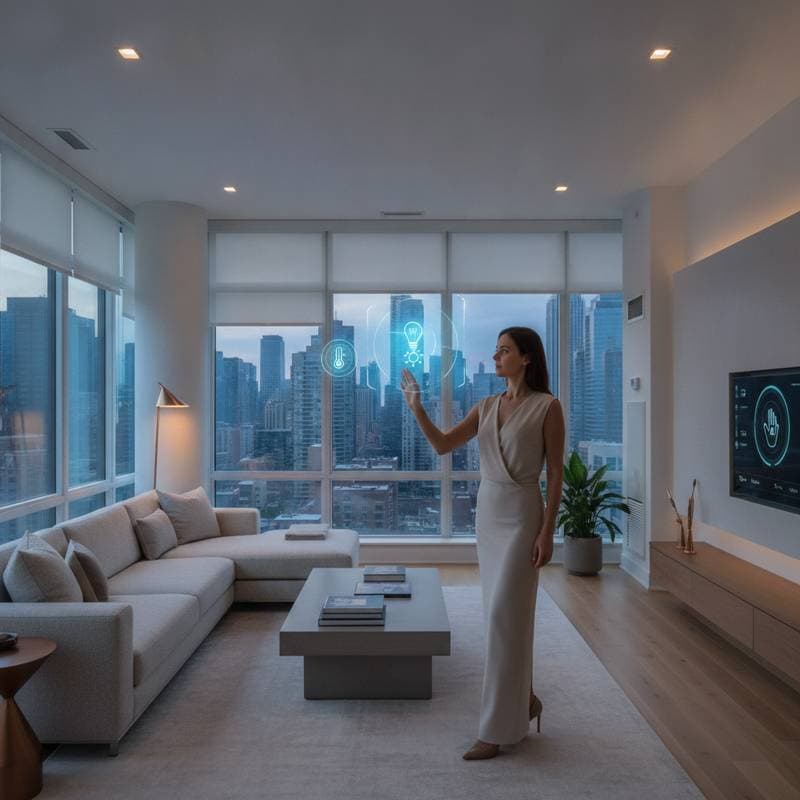
Smart blinds elevate home comfort by combining with other intelligent devices. Integration with smart thermostats enables coordinated responses, where blinds adjust in tandem with temperature controls for optimal efficiency. This synergy creates zones of personalized climate management throughout the residence.
For example, in living areas, blinds might rise gradually at sunrise to allow gentle morning light while keeping heat minimal. In bedrooms, they ensure darkness for restful sleep by syncing with circadian rhythm apps. Such features promote well-being alongside energy conservation.
Efficiency gains also arise from user-friendly apps that track performance metrics. Owners monitor energy savings in real time and refine settings for better results. This data-driven approach empowers individuals to make informed decisions about their home's environmental controls.
Selecting and Installing Smart Blinds for Maximum Benefit
Choosing the right smart blinds involves assessing compatibility with existing home setups. Begin by evaluating window dimensions and desired features, such as voice control or app-based operation. Budget options start at basic motorized kits, while premium selections offer full AI capabilities.
- Measure windows accurately to ensure proper fit.
- Verify connectivity standards, like Wi-Fi or Zigbee, for seamless integration.
- Review energy ratings and warranty details for long-term value.
Installation ranges from simple DIY retrofits to professional setups for complex configurations. Many systems include mounting hardware and step-by-step guides, making the process accessible. Once in place, calibration with weather services activates full functionality.
Maintenance remains straightforward, with occasional cleaning and software updates to sustain performance. Selecting durable materials, such as UV-resistant fabrics, ensures longevity in varied climates. This investment pays dividends through reliable operation and continued savings.
Unlocking Sustainable Living with Intelligent Window Solutions
Adopting smart blinds marks a step toward sustainable home management, where technology aligns with ecological goals. By curbing energy consumption, these systems lower carbon emissions associated with cooling. Families enjoy cooler interiors and lower bills, fostering a lifestyle that balances convenience with responsibility.
The broader implications extend to community levels, as widespread adoption could alleviate strain on power grids during peak demand. Individuals contribute to this shift by incorporating smart features into renovations or new builds. The technology evolves rapidly, promising even greater efficiencies in future iterations.
Homeowners who implement these solutions often discover unexpected perks, such as improved privacy and aesthetic appeal. Windows become focal points of innovation, blending form with function. Embrace this advancement to experience a more efficient, comfortable, and eco-conscious living space.