Why Retrofit Smart Switches Outshine New Smart Bulbs in 2026
Smart homes transition from optional features to essential components of modern living. Lighting upgrades represent a primary step for many homeowners. The focus now shifts toward retrofit smart switches rather than individual smart bulbs. These switches deliver comparable intelligence with reduced effort, expense, and complexity. Homeowners achieve a more intuitive smart environment as a result.
Challenges Posed by Smart Bulbs
Smart bulbs initially appear as an uncomplicated method to update lighting systems. Users connect them to applications, issue voice commands, and adjust brightness or hues as needed. Problems arise when individuals operate a physical wall switch. This action interrupts power supply and halts smart capabilities. In homes with numerous fixtures, such interruptions lead to repeated frustrations.
Homeowners often face restrictions tied to specific brands or applications for light management. Smart bulbs typically depend on hubs or internet connections for optimal performance. This dependency adds unnecessary layers of setup. Renters and residences with outdated wiring, lacking neutral wires, encounter further barriers. Retrofit smart switches address these limitations effectively.
Key Features of Retrofit Smart Switches
Retrofit smart switches substitute standard wall switches without altering individual bulbs. They regulate power flow directly from the wall outlet. Lights maintain smart functionality regardless of switch operations. Recent models eliminate the need for neutral wires, accommodating older electrical systems that previously excluded smart upgrades.
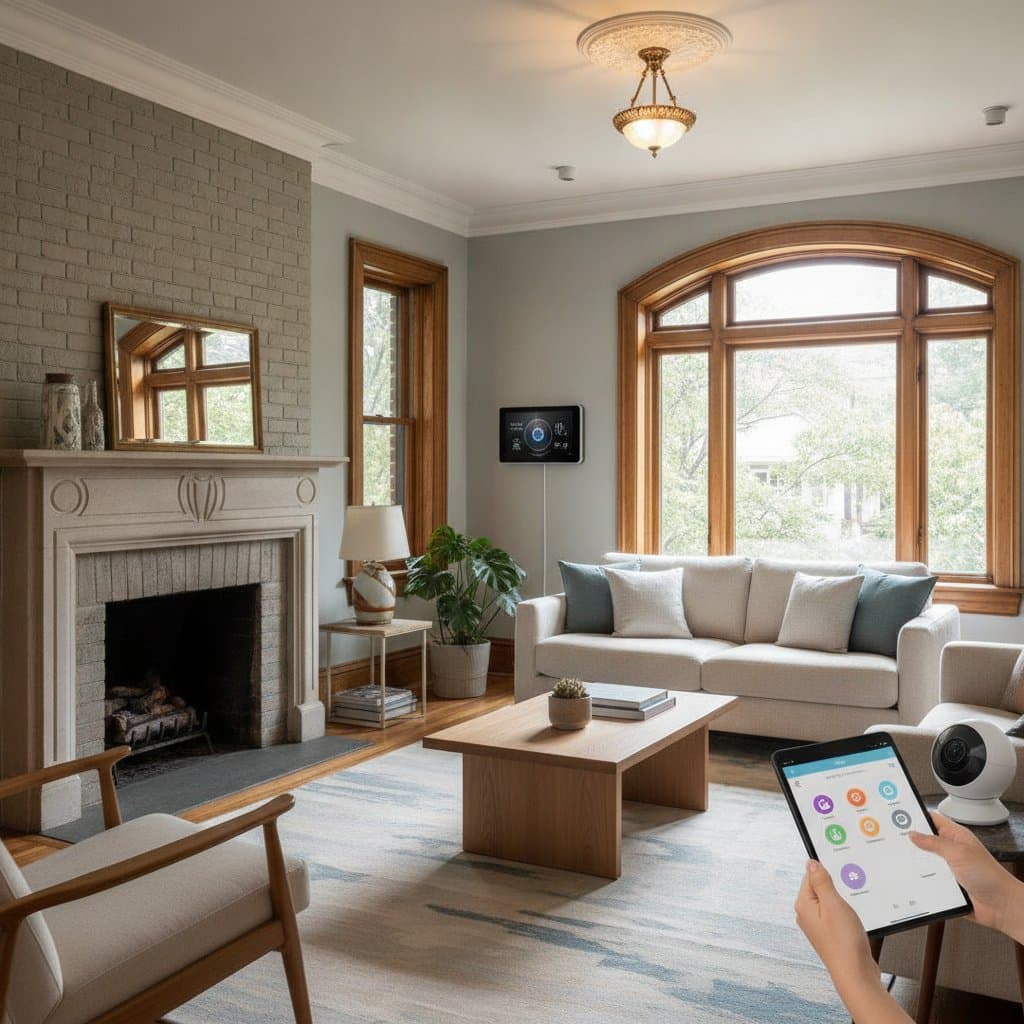
Brands such as Lutron, Aqara, and Leviton develop these no-neutral options for standard switch boxes. Devices utilize efficient wireless protocols for communication. Integration occurs seamlessly with ecosystems like Alexa, Google Home, and Apple Home. Installation mirrors traditional switch replacement processes. Controls operate intuitively, enabling broad accessibility in smart home setups.
Consider a typical three-way switch setup in a hallway. A retrofit switch installs in minutes using basic tools like a screwdriver and voltage tester. Once powered, it pairs with a smartphone app to set schedules or geofencing triggers. This approach extends smart control to recessed ceiling lights or pendant fixtures without hardware changes.
Economic and Practical Benefits
Outfitting an entire home with smart bulbs incurs substantial costs. A single retrofit switch oversees multiple bulbs simultaneously. This method cuts expenses while ensuring uniform operation. Switches demonstrate greater durability than bulbs, which degrade or disconnect over time due to frequent cycling.
Mixed lighting environments benefit immensely from this technology. Retrofit switches support dimmable options across styles, including incandescent, halogen, and LED varieties. Homeowners preserve aesthetic preferences, such as warm tungsten glows in reading lamps, alongside automated features. For a four-bedroom house, installing five switches might cost under $200, compared to $300 or more for equivalent bulb coverage.
Maintenance simplifies as well. Bulbs require periodic replacement every 1,000 to 2,000 hours of use. Switches, rated for 50,000 cycles or more, operate reliably for years. Energy savings accumulate through precise dimming that prevents overuse, potentially lowering utility bills by 10 to 20 percent in high-traffic areas.
Enhanced Connectivity in Smart Ecosystems
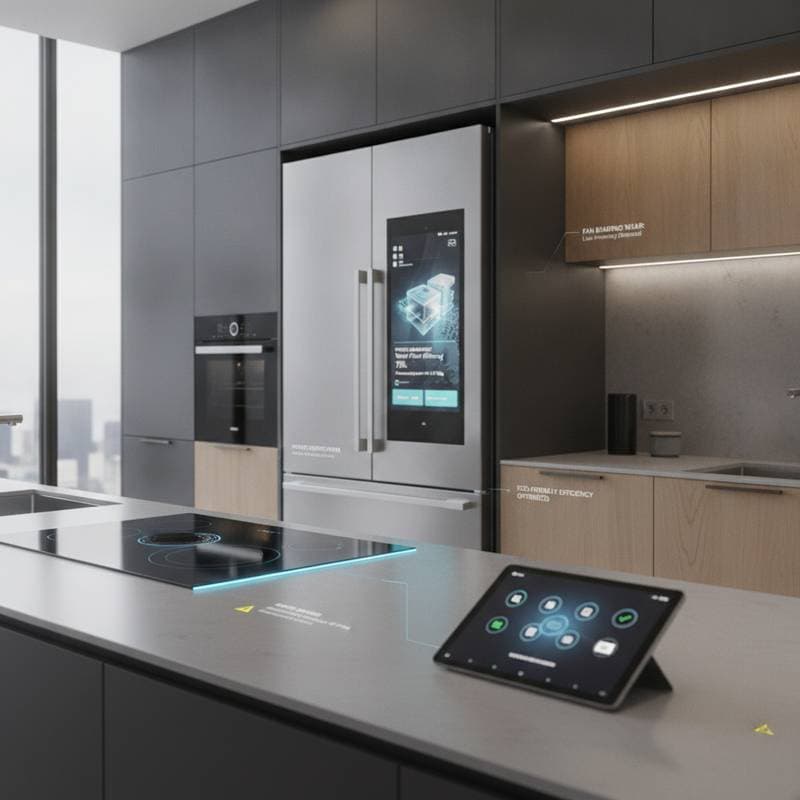
Retrofit smart switches extend beyond basic on-off functions. Advanced units incorporate motion detectors, light sensors, and programmable buttons. These elements activate scenes that influence multiple devices. For instance, entering the living room could illuminate lights, adjust shades, and preheat the oven via interconnected commands.
Standardized protocols like Zigbee or Z-Wave facilitate this coordination. Switches link effortlessly with thermostats, locks, and cameras. Setup involves selecting devices in a central app and assigning routines. Even during internet outages, local network features maintain core operations, unlike cloud-reliant bulbs.
Market trends indicate growing preference for these switches. Surveys among smart home users highlight priorities like ease and dependability. In 2025 projections, retrofit installations rise by 35 percent year-over-year. Professionals recommend them for renovations, citing reduced labor compared to bulb retrofits.
Steps to Integrate Retrofit Switches into Your Home
Begin the upgrade by evaluating high-impact zones. Entryways, kitchens, and bedrooms offer immediate convenience gains. Check switch boxes for compatibility; most require only line, load, and ground wires. Purchase models certified for your wiring type to avoid electrical issues.
Follow a step-by-step installation: Turn off power at the breaker. Remove the old switch plate and disconnect wires. Attach the new switch per manufacturer diagrams, often involving wire nuts and pigtails. Restore power and test via the app. Professional electricians handle complex multi-switch configurations for safety.
Customize automation next. Set timers for dawn simulations in bedrooms or occupancy-based controls in bathrooms. Integrate with voice assistants for hands-free operation. Monitor performance through app analytics to refine settings. This gradual approach builds a cohesive network tailored to daily routines.
Retrofit smart switches align innovation with practicality. They enhance existing infrastructure, control expenditures, and streamline interactions. Homeowners gain a responsive lighting system that elevates comfort without disruption. The future of smart living emphasizes enhancement over replacement, fostering sustainable and user-centered designs.