Calendar-Synced Smart Appliances Automate Meal Preparation
Smart homes advance toward seamless coordination among devices. Beyond simple voice-activated controls, appliances now connect directly to personal calendars, predict scheduling changes, and initiate meal preparation without manual intervention. This integration redefines kitchen functionality, positioning it as the central hub of household intelligence.
Foundations of Calendar-Connected Kitchen Systems
Consider a scenario where your refrigerator, oven, and coffee maker access your work and family calendars. A newly added late meeting prompts the oven to postpone dinner roasting by 45 minutes. An early morning exercise session triggers the blender to prepare a nutrient-rich smoothie precisely as your alarm activates. These capabilities represent current advancements in smart kitchen technology, blending automation with individual preferences to reduce daily pressures.
Market research in connected home devices highlights increasing demand for meal automation features. Consumers seek solutions that simplify cooking while supporting nutritional goals. Calendar synchronization emerges as a logical progression, enabling appliances to align operations with personal rhythms rather than requiring ongoing user oversight.
Mechanics of Calendar Synchronization in Kitchens
This technology links digital calendars to a central kitchen control system. The platform retrieves event details from applications such as Google Calendar or Apple Calendar, interprets meal-related timings, and modifies appliance behaviors in response. For instance, the system preheats the oven 20 minutes before your expected arrival or initiates coffee brewing immediately after a virtual meeting concludes.
Advanced configurations incorporate external factors like real-time traffic updates or local weather forecasts. If rain delays your commute, the system extends warming cycles to preserve meal quality. The primary advantage lies in proactive operation: appliances foresee needs, minimizing manual adjustments, reducing food spoilage, and fostering reliable meal patterns.
Practical Implementations in Leading Devices
Innovative manufacturers lead this development with targeted features. One prominent smart oven model synchronizes with shared family calendars to optimize dinner preparation. It identifies overlapping free slots and activates cooking sequences accordingly, ensuring meals align with collective availability.
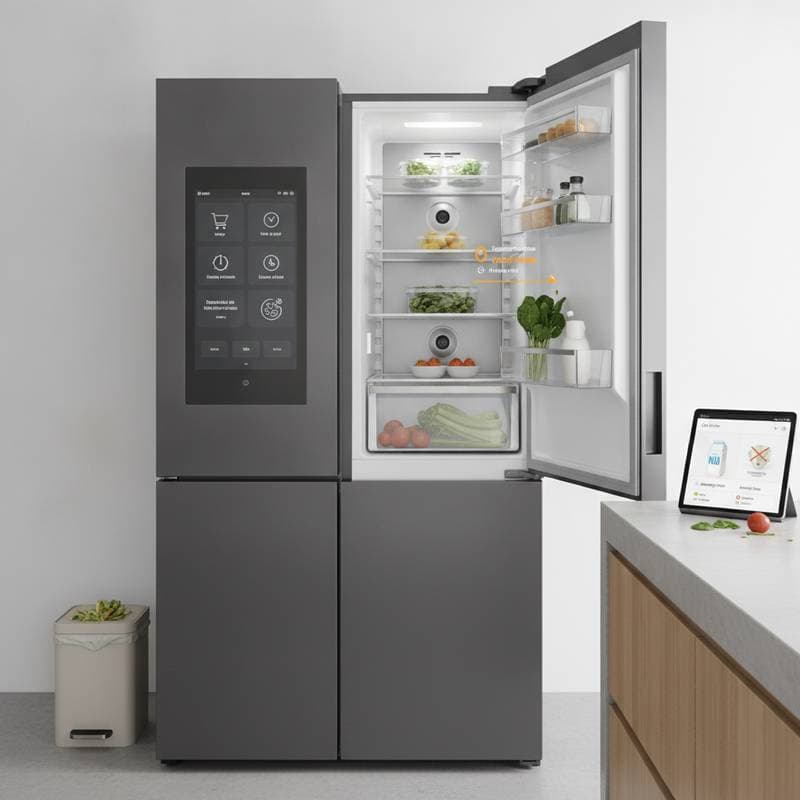
Refrigerator systems from another provider scan inventory via built-in cameras, then propose recipes that match calendar openings and specific dietary needs, such as low-carb options for evening slots. Kitchen counter displays enhance this ecosystem by integrating with recipe databases and inventory apps. They produce customized weekly plans that incorporate scheduled events and available ingredients, streamlining the entire process from planning to execution.
Benefits for Daily Household Dynamics
This innovation fosters balance rather than mere speed. Overloaded schedules in professional or family settings benefit from reduced coordination efforts around meals. Remote workers enjoy perfectly timed lunches during brief breaks between calls. Shared family evenings become feasible without rushed preparations, promoting stronger connections.
Sustainability gains traction through optimized energy use. Devices activate during lower-demand electricity periods or align with home solar generation for peak efficiency. Such practices extend the appeal of these systems, combining practical utility with environmental responsibility.
Future Developments in Intuitive Kitchen Automation
Deeper platform interoperability promises even greater responsiveness. Voice assistants will interface with calendars, health tracking applications, and delivery services to oversee complete meal cycles. A prompt might alert you to thaw proteins ahead of an unscheduled free evening, based on pattern recognition from past behaviors.
Systems will adapt to individual household members over time, tailoring timings and suggestions to personal habits. Data privacy stands as a core concern in these evolutions. Developers prioritize secure data handling, including end-to-end encryption, explicit consent mechanisms, and straightforward controls, to maintain user confidence amid expanding connectivity.
Embracing Proactive Kitchen Support
Calendar-integrated appliances operate with minimal intrusion, adapting silently to enhance routines. They deliver consistent, nutritious meals amid demanding days, shifting the kitchen from a task-oriented space to a supportive ally. As smart home technologies mature, this coordination elevates everyday living, making intelligent assistance a seamless reality.