Reduce Elderly Falls by 75 Percent with Smart Home Technology
Nearly half of older adults desire to remain in their own homes as they age. However, one of the greatest obstacles to independent living is the risk of falls. Health agencies identify falls as among the leading causes of injury in older populations. A wave of smart home technology now predicts, detects, and prevents falls before they occur. These innovations extend independence, safety, and confidence for millions of aging adults and their families.
The Hidden Cost of a Simple Fall
For many older adults, a single fall alters life in an instant. Broken bones, extended recovery periods, and the emotional toll of lost mobility often follow. Family members worry about leaving loved ones alone. The fear of falling leads individuals to restrict movement, which weakens muscles and balance further. Traditional tools such as grab bars and emergency pendants assist, but they depend on users to take action. Smart home technology shifts this dynamic by monitoring patterns, identifying risks automatically, and summoning help without manual input.
How Smart Homes Redefine Safety
The modern smart home evolves beyond a collection of connected gadgets into a networked environment. It learns from daily routines, tracks subtle behavior changes, and responds proactively. For older adults, this creates a home that listens, responds, and protects. Smart lighting, wearable sensors, floor-based motion systems, and voice assistants collaborate to prevent up to 75 percent of potential falls, based on emerging research and pilot programs in aging technology.
The following sections outline the key innovations driving this transformation.
Voice-Controlled Assistants
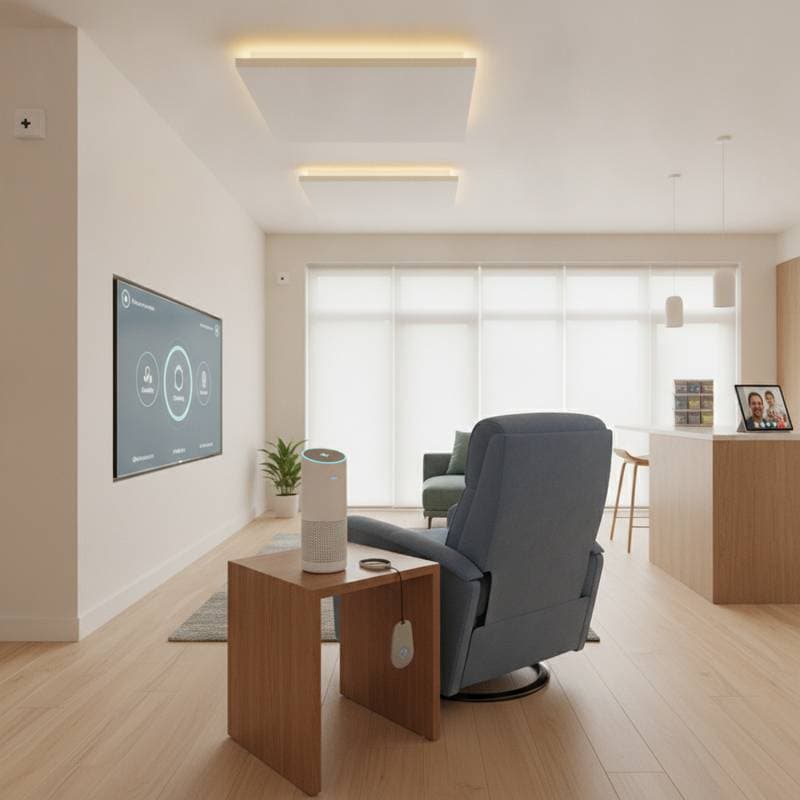
Voice-activated devices serve as central hubs for home control and emergency response. They enable hands-free operation of lights, thermostats, and doors, reducing physical strain that contributes to falls. These assistants also detect voice patterns and integrate with other sensors to initiate alerts if responses go unanswered.
Why it matters: Such systems enhance accessibility for those with mobility or dexterity limitations, promoting safer daily navigation without constant physical effort.
Real-world example: Devices like Amazon Echo or Google Nest respond to simple commands and connect to broader networks, allowing users to request assistance instantly during unsteady moments.
Adaptive Lighting Systems
Poor lighting ranks as one of the most common contributors to falls at home. Smart lighting adapts to movement and time of day, guiding safe navigation through hallways or bathrooms. Lights brighten automatically when someone rises at night or dim gradually to minimize daytime glare.
Why it matters: Consistent, automated lighting prevents missteps and disorientation, especially for individuals with vision or balance challenges.
Real-world example: Philips Hue systems pair with motion sensors to illuminate paths upon detection. Integration with smart assistants enables instant voice-activated responses, eliminating the need to search for switches.
Predictive Sensors and Wearables
Wearable devices and environmental sensors monitor vital signs, gait, and activity levels to forecast fall risks. They analyze data for irregularities, such as slower walking speeds or unsteadiness, and prompt preventive actions like adjusting room conditions.
Why it matters: These tools provide early warnings without relying on user initiative, allowing interventions before risks escalate.
Real-world example: Products from companies like Apple Watch or specialized bands from Fitbit detect heart rate anomalies and sudden movements, sending notifications to users or caregivers via connected apps.
Smart Flooring and Pressure Sensors
Innovations in flooring incorporate thin sensors beneath tiles or carpets to track foot pressure and gait balance. These systems identify irregular weight distribution or abrupt posture shifts indicative of a fall. Alerts reach caregivers through connected applications immediately.
Why it matters: Unlike wearables that require charging and consistent use, sensor flooring operates passively and remains active continuously, ensuring privacy in tracking.
Real-world example: Luna and SmartMat develop flooring that learns normal walking patterns and issues alerts solely for deviations, minimizing false positives.
Connected Health Hubs
Central health hubs aggregate data from multiple devices to offer comprehensive monitoring and personalized insights. They track sleep patterns, medication adherence, and overall activity, flagging potential health declines that increase fall risks.
Why it matters: Integration creates a holistic view of well-being, enabling tailored adjustments to home environments for sustained safety.
Real-world example: Systems like those from GrandCare or CarePredict combine sensor inputs to generate daily reports and automated adjustments, such as optimal lighting or temperature settings.
Smart Cameras with Privacy Protection
Next-generation cameras employ motion mapping and silhouette detection rather than live video feeds. They monitor movement through rooms and detect unusual inactivity without recording identifiable images.
Why it matters: Families receive reassurance of safety while users retain dignity and privacy in their living spaces.
Real-world example: KamiCare and AltumView utilize depth sensors to identify posture changes and detect falls rapidly, notifying caregivers without invasive surveillance.
Overcoming Barriers to Adoption
The benefits of smart home technology appear evident, yet adoption encounters hurdles. Cost, technical complexity, and privacy worries often discourage older adults and families. Successful systems integrate seamlessly into daily life with minimal setup and automatic adaptation. They deliver immediate value without overwhelming users. Some insurance providers and senior living programs now subsidize these installations, acknowledging reductions in hospital admissions and long-term care expenses.
Families discover that incremental implementation builds trust effectively. Starting with smart bulbs, motion sensors in high-risk areas, and a voice assistant yields tangible improvements. As familiarity grows, expansion to predictive analytics or health hubs follows naturally.
Everyday Examples of Safer Living
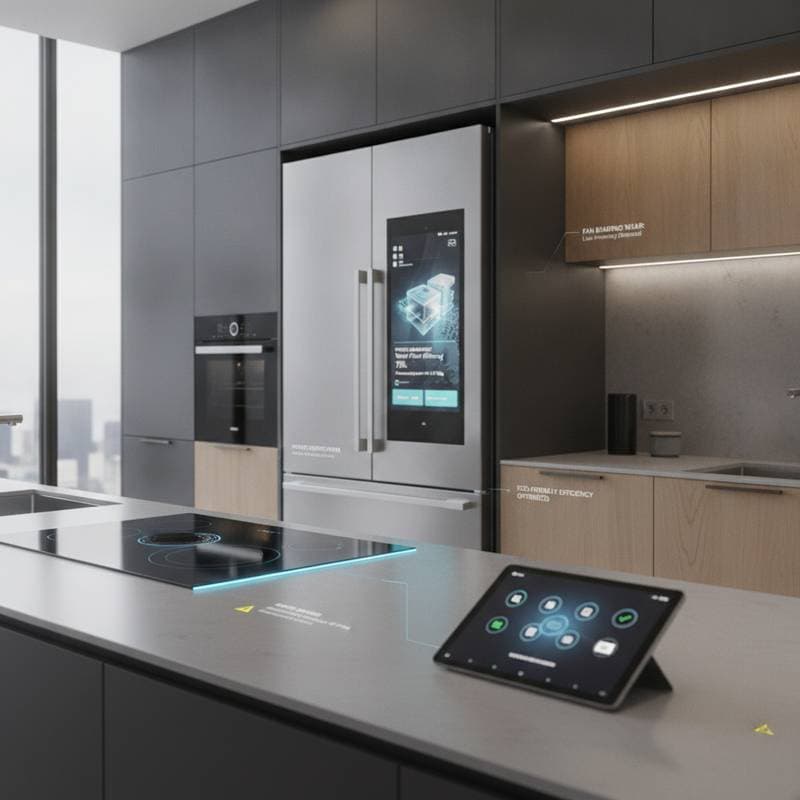
Consider a typical morning where bedroom lights brighten softly as floor sensors register steady footsteps. The thermostat maintains ideal comfort levels, and kitchen lights activate automatically upon approach. Should movement halt unexpectedly, a discreet alert notifies a caregiver. This setup avoids cameras or wearable prompts, embedding protection subtly into the home.
Such configurations empower independence on personal terms. Older adults navigate their spaces with assurance, while families stay informed without constant oversight. Pilot programs report decreased emergency responses and heightened resident confidence.
Integrating Safety into Home Design
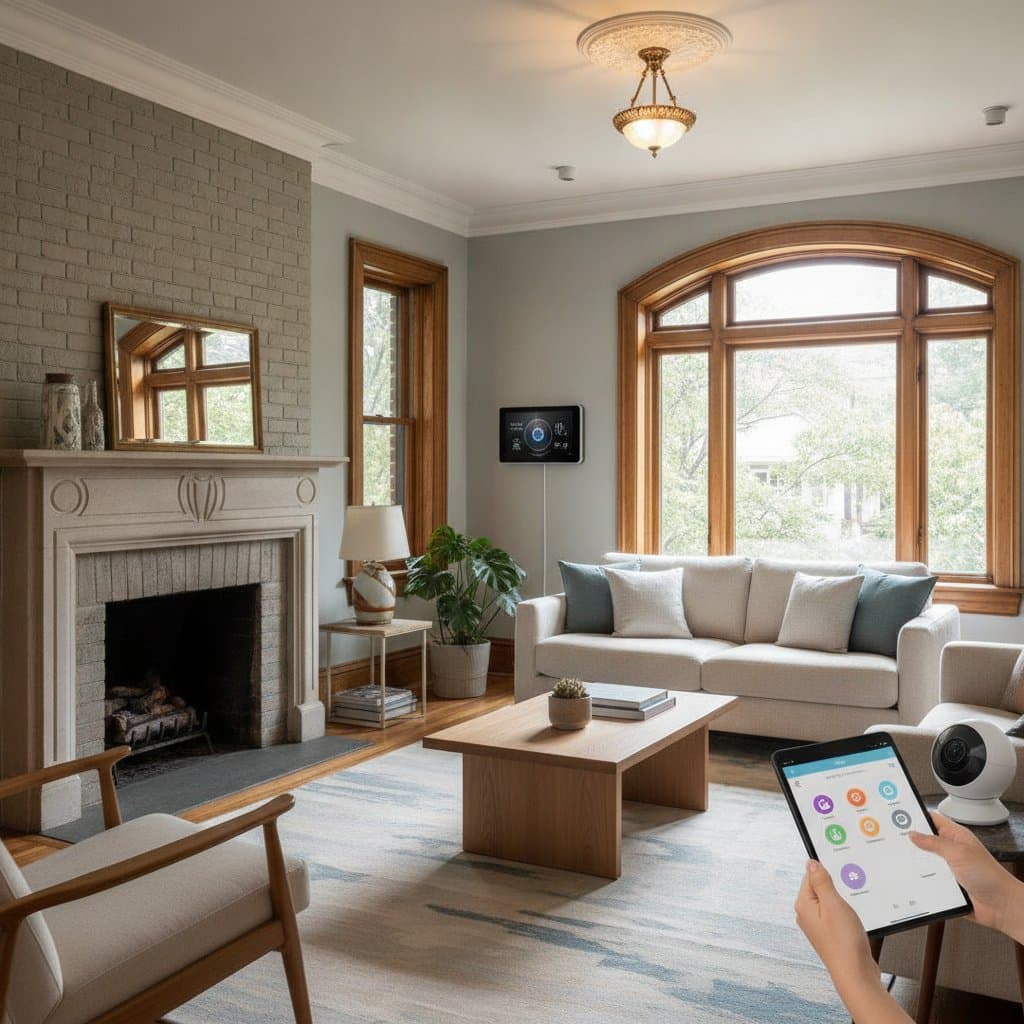
Architects and builders now embed smart safety elements into new constructions. Outlets at reachable heights, motion-activated night lighting, and pre-wired sensor networks align with universal design standards. Retrofitting existing homes simplifies through wireless integrations with current infrastructures.
These adaptations signal a cultural evolution. Smart technology transitions from enthusiast luxury to essential support for secure aging. Homes evolve into supportive environments that anticipate needs and safeguard well-being.
Steps to Enhance Home Safety Today
Begin by assessing high-risk areas like stairs, bathrooms, and bedrooms for lighting and stability improvements. Install basic smart devices to automate routines and monitor activity. Consult professionals for customized setups that balance privacy and protection. Regular reviews ensure systems adapt to changing needs, fostering long-term independence and family tranquility.