Why Smart Appliances Communicate with the Energy Grid
Picture a dishwasher that delays its cycle until electricity rates decrease. Or a water heater that reduces its temperature briefly during peak usage to avert a local power disruption. These scenarios represent the reality of smart appliances interacting with the energy grid to manage demand and minimize waste.
The Challenge of Energy Demand
Energy expenses often fluctuate without warning. You may schedule laundry for nighttime use, yet rates increase due to sudden grid strain. Utilities face the ongoing task of matching supply to demand in real time. When numerous households draw power at once, the grid requires additional generation or purchases at elevated costs, which raises prices for all consumers.
The Potential of Smart Integration
Smart appliances reshape energy management for households and utilities alike. Connecting devices to the grid enables automatic responses to live signals. Such signals might prompt a heat pump to pause operations or a refrigerator to postpone defrosting. This leads to grid stability, reduced peak loads, and possible bill reductions.
Demand response forms a cornerstone of contemporary smart homes. Beyond mere ease, it fosters a sustainable energy framework that serves individuals and the planet.
The Mechanics of Grid Communication
Smart appliances connect to the grid via integrated modules employing Wi-Fi, Zigbee, or Z-Wave standards. Linked to an energy management system, they receive directives from utilities or energy aggregators.
The process generally proceeds as follows:
- Grid signal issuance: The utility identifies increasing demand and transmits alerts to enrolled appliances.
- Device adjustment: A smart washer, dryer, or water heater modifies its function temporarily.
- Stabilization effect: The grid maintains balance without excess production, curbing emissions and expenses.
- Return to routine: The appliance reverts to normal mode, typically unnoticed by the user.
The U.S. Department of Energy indicates that broad demand response adoption could prevent billions in infrastructure expenses. Homeowners benefit through rebates or discounted rates in participation initiatives.
Leading Devices for Grid Interaction
Grid-compatible smart appliances span various budgets and are readily accessible.
Affordable entry: The GE Profile Smart Plug, priced at approximately $25, converts ordinary appliances into responsive units when integrated with demand response services. This provides an economical entry without equipment replacement.
Mid-tier selection: The LG ThinQ Smart Washer and Dryer, each costing about $1,100, link to utility systems in certain areas. They shift cycles according to time-of-use rates, enabling savings with minimal effort.
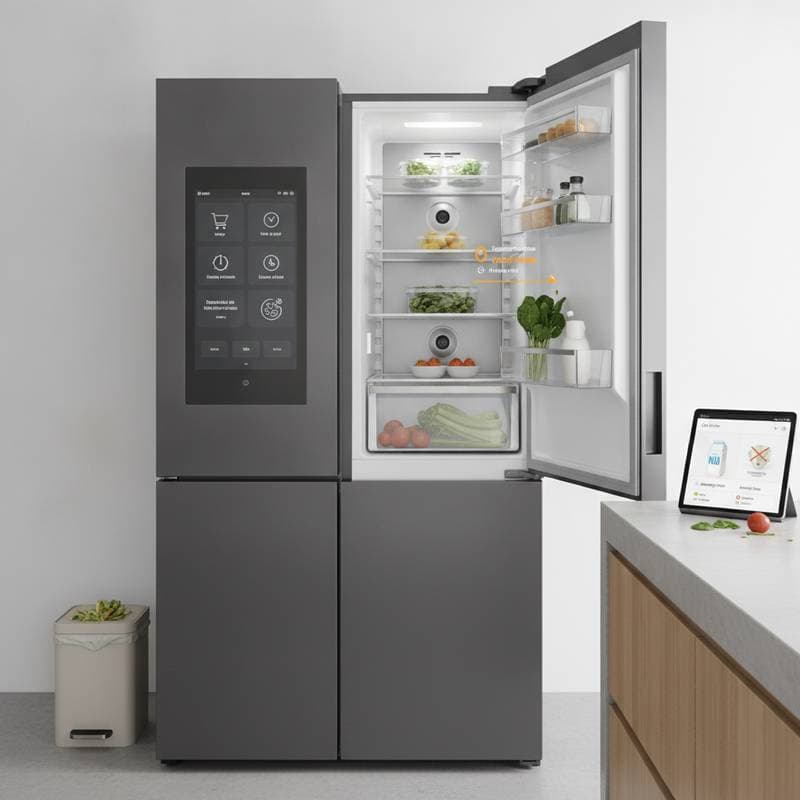
High-end option: The Samsung Bespoke Refrigerator with SmartThings Energy, around $3,000, interfaces with the SmartThings platform to modulate usage aligned with grid needs and supported utilities.
These appliances function solo or within comprehensive systems using hubs such as the Aeotec Smart Home Hub or Amazon Echo Hub.
Expert Insights on Benefits
Professionals highlight an underappreciated advantage: enhanced equipment durability. Participation in demand response reduces cycling during intense periods for air conditioners or heat pumps, prolonging service life. Decreased stress on components results in fewer repairs.
Additionally, many devices feature offline capabilities. In the event of internet loss, they execute preset demand response protocols, preserving efficiency amid connectivity issues.
Steps to Prepare for Connection
Prior to joining a grid program, consider these measures.
- Verify device support: Seek ENERGY STAR models marked as connected appliances or approved by your utility.
- Explore rewards: Utilities frequently provide rebates from $25 to $200 for enrolling thermostats, water heaters, or appliances.
- Assess data handling: Systems share usage data but not personal details; review manufacturer policies.
- Prepare overrides: Ensure manual controls for extended events to maintain comfort and safety.
Most setups require simple plugging, although water heaters or chargers might need professional installation. Adhere to local codes and safety protocols.
Weighing Expenses Against Returns
Smart appliances carry a modest initial premium over conventional models, yet savings accumulate rapidly. A connected washer or refrigerator might yield $40 to $100 annually in energy reductions. Factor in rebates and time-based pricing, and payback accelerates.
For homes with solar arrays or batteries, grid linkage amplifies advantages. Appliances prioritize stored or solar power during peaks, optimizing overall performance.
Broader Implications for Energy Systems
This technology blends household ease with communal duty. Homes aligned with the grid help prevent outages, diminish fossil fuel dependence, and strengthen network resilience. The focus extends beyond devices to intelligent lifestyles.
Steps to Implement Grid-Responsive Features
Start modestly by linking one or two appliances to your smart hub and registering with your utility's program. Platforms like SmartThings Energy or Google Home Energy Saver simplify the process.
For comprehensive automation, engage a certified installer to integrate wiring, networks, and devices securely. Use services like HomeAdvisor or Angi to locate experts.
Track performance via apps to observe usage patterns and savings. Expanding connections integrates your home into a networked energy ecosystem.
Insights from a Connected Home
Grid communication delivers efficiency alongside understanding of power consumption, savings opportunities, and environmental impact. This fosters ongoing awareness and management.
From bill reduction to full automation, responsive appliances advance sustainable living. They demonstrate that true smart homes link not only digitally but also to surrounding systems.
Frequently Asked Questions
What is demand response? Demand response involves utilities signaling appliances to adjust usage during high-demand periods, easing grid pressure and lowering costs.
Do I need a full smart home setup? No, individual devices like smart plugs suffice for basic participation.
How much can I save? Savings vary by location and usage but often range from $50 to $200 yearly, plus rebates.
Is my data secure? Reputable systems anonymize data and comply with privacy standards; always check policies.
What if the grid signals conflict with my schedule? Most programs allow overrides, and adjustments are brief.