Grid-Interactive Smart Appliances Enable Direct Communication with Utilities
Homes equipped with advanced technology now function as integral parts of the broader energy ecosystem. Grid-interactive appliances represent a significant advancement, allowing devices to exchange information with utility providers in real time. This interaction optimizes power consumption, aligns usage with market conditions, and fosters a balanced energy network that benefits both consumers and providers.
The technology shifts homes from passive energy users to responsive participants. Devices receive updates on grid status and pricing, enabling automated adjustments that minimize costs and environmental impact. As adoption increases, this approach promises widespread improvements in energy efficiency across residential settings.
Understanding Grid-Interactive Functionality
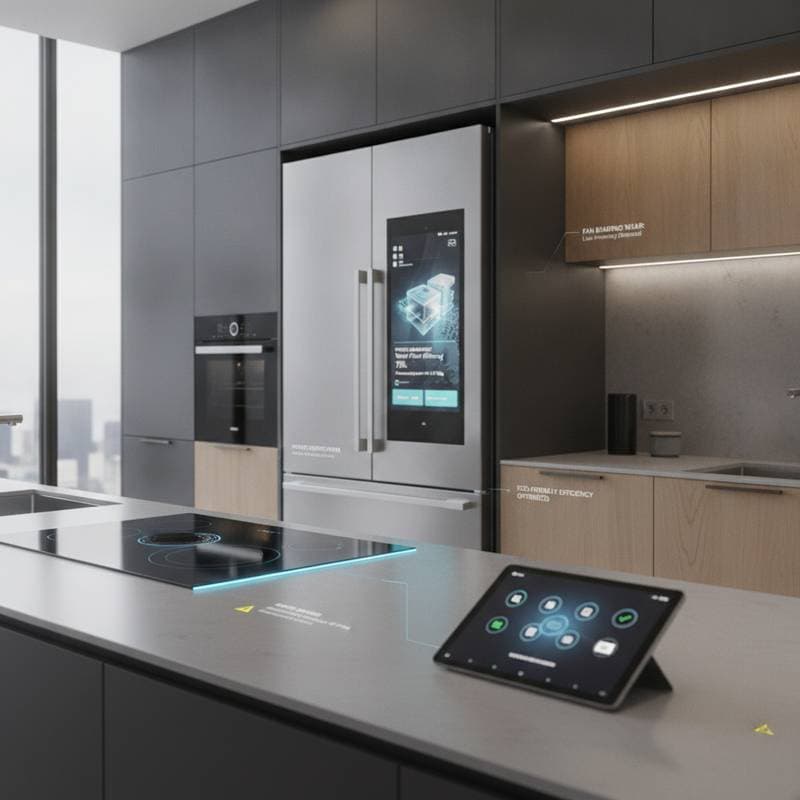
Conventional appliances consume electricity on demand, regardless of external factors such as grid capacity or fluctuating rates. In contrast, grid-interactive models integrate with utility systems to monitor and respond to these variables. For example, during periods of high demand, a smart refrigerator might slightly adjust its compressor activity to conserve power without affecting food preservation.
This capability relies on demand response mechanisms, where utilities send signals to enrolled devices. Participants in such programs often qualify for financial incentives, including rate discounts or direct rebates. Industry experts project rapid growth in these systems as smart home adoption accelerates, with projections indicating millions of connected appliances by the end of the decade.
Mechanics of Appliance-Utility Communication
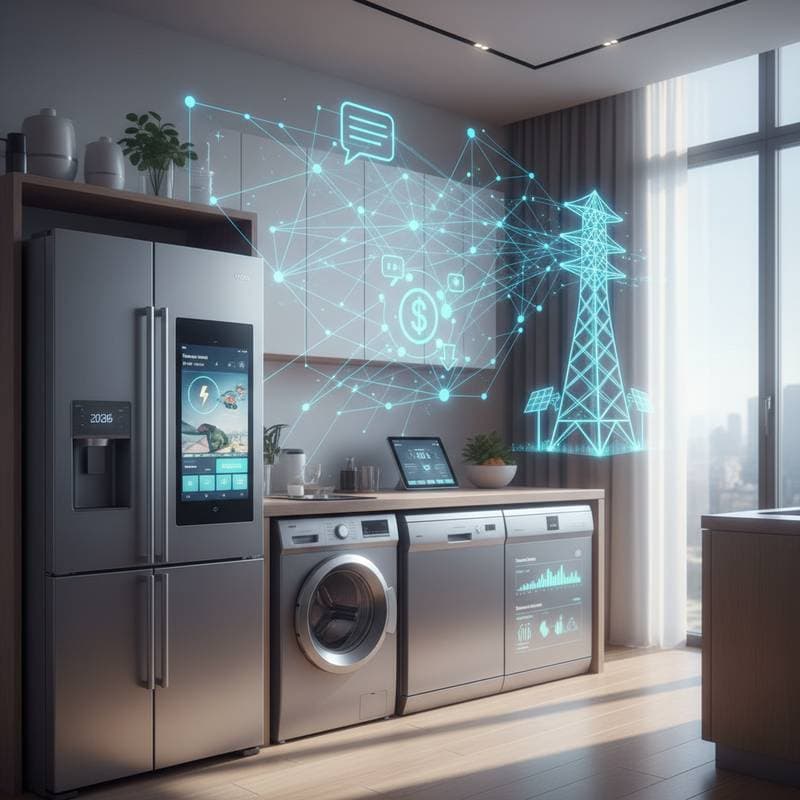
The term "chat grid" illustrates the bidirectional dialogue between household devices and the energy network. Appliances equipped with internet connectivity or dedicated modules receive data on current energy prices and grid load. They then process this information to schedule operations during optimal windows.
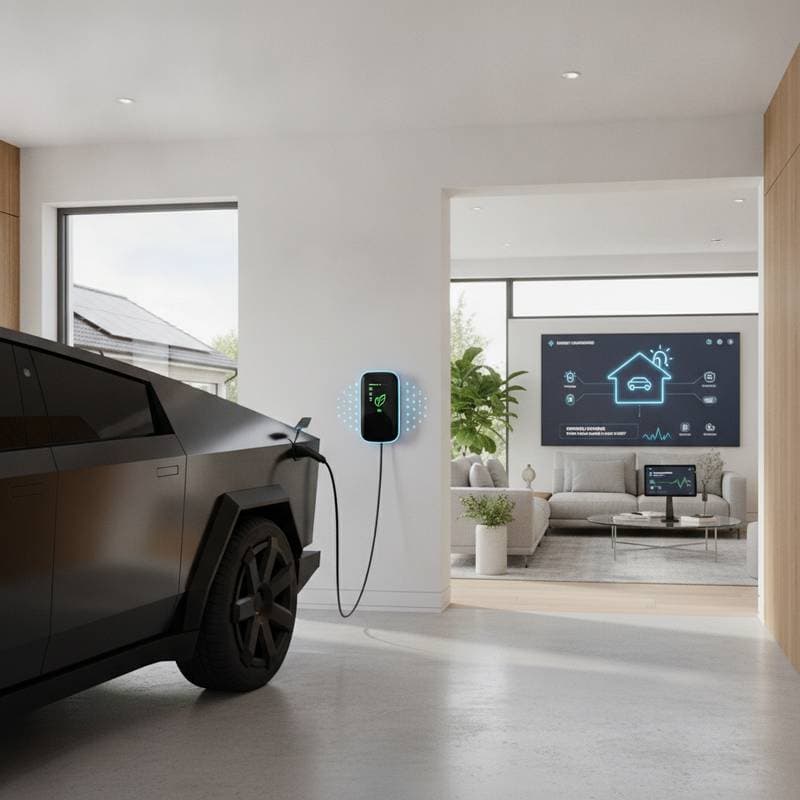
Consider a smart washing machine: upon detecting elevated rates, it delays its cycle until cheaper, off-peak periods arrive. A connected electric vehicle charger follows similar logic, drawing power primarily when renewable sources dominate the grid. These processes occur through secure protocols, ensuring privacy and reliability while requiring no user intervention.
Automation platforms, such as home energy management systems, centralize these interactions. Users can set preferences, like prioritizing certain devices, but the system handles the rest. This seamless integration transforms complex energy decisions into effortless routines.
Practical Implementations and Case Studies
Leading manufacturers have introduced grid-interactive features in various products. For instance, certain models of smart thermostats from established brands adjust temperatures proactively during utility-requested events, maintaining comfort while conserving energy. Water heaters with built-in controls preheat during low-demand hours, storing thermal energy for peak times.
Utility programs in regions with high renewable penetration demonstrate these benefits in action. One initiative in a major metropolitan area saw participants reduce peak usage by 20 percent through automated appliance responses, leading to collective grid savings equivalent to powering thousands of additional homes sustainably. Dryers and ovens also participate, shifting loads to align with solar production spikes.
Collaborations between appliance makers and energy firms accelerate innovation. Incentives, such as upfront rebates for compatible devices, encourage adoption. These real-world applications highlight how technology bridges individual households with systemic energy goals.
Broader Implications for Energy Stability and Sustainability
Beyond immediate cost reductions, grid-interactive appliances stabilize the power supply amid rising renewable integration. Solar and wind energy vary with environmental conditions, creating mismatches between generation and demand. Responsive devices mitigate these fluctuations by curtailing non-essential loads during shortfalls.
Consumers gain a resilient home environment that adapts without compromise. Energy bills typically decrease by 10 to 15 percent for active participants, depending on usage patterns and local rates. The system also reduces carbon footprints by favoring clean energy periods, contributing to long-term environmental health.
This technology democratizes energy management. Individuals without technical expertise access sophisticated tools through intuitive interfaces. The result is a household that operates efficiently, supporting global sustainability efforts on a personal scale.
Steps to Adopt Grid-Interactive Appliances
Begin by evaluating your current setup for compatibility. Check utility websites for lists of certified devices and available demand response programs. Select appliances with explicit grid-interactive labels, focusing on those from reputable brands that support standard communication protocols.
- Install a central smart hub to unify device controls and facilitate utility connections.
- Enroll in your provider's program to access signals and incentives.
- Configure settings via companion apps, defining priorities like essential versus flexible loads.
- Monitor performance through dashboards that track savings and grid contributions.
Professional installation ensures secure integration, especially for whole-home systems. As standards evolve, future updates will expand capabilities, such as predictive adjustments based on weather forecasts. Embracing these tools positions your home as a proactive element in a sustainable energy landscape.