Envisioning a Home in Sync with Solar Energy
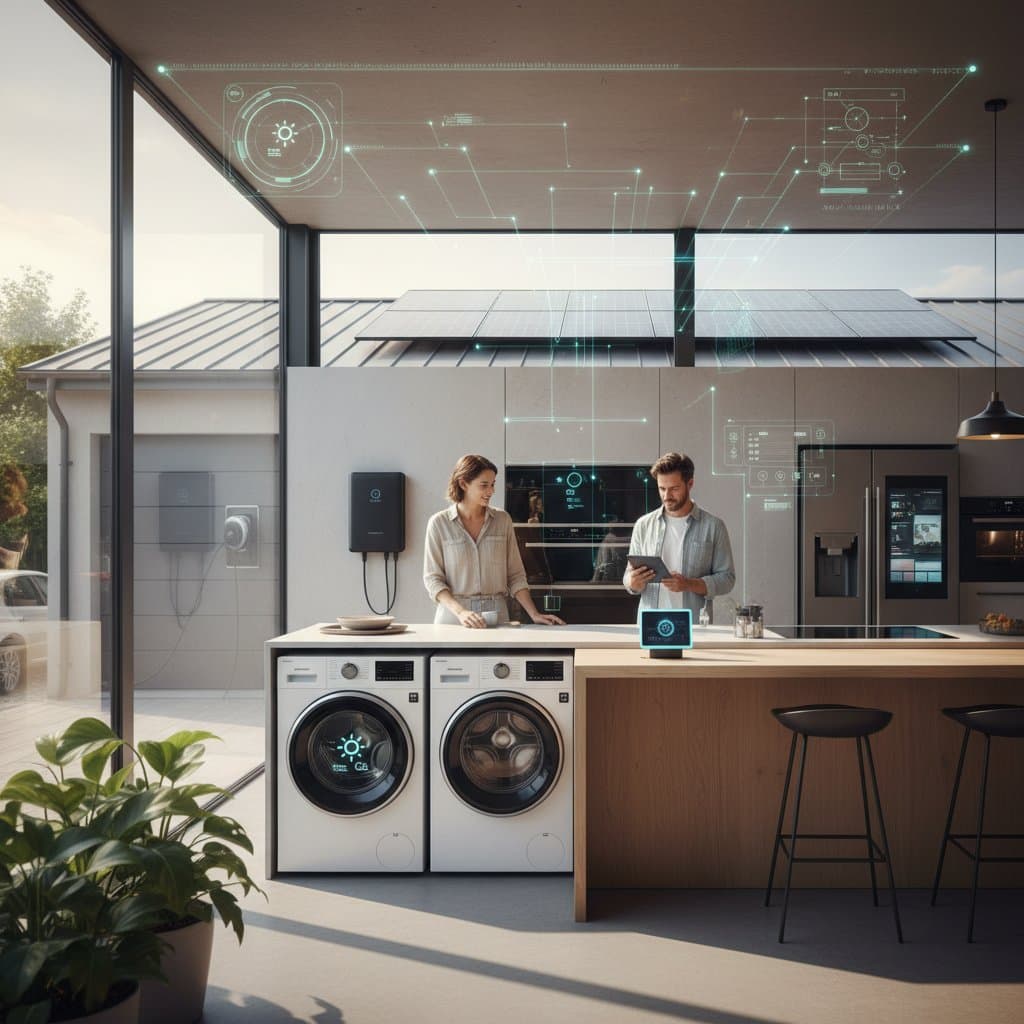
Picture entering your kitchen where the dishwasher pauses until solar panels accumulate sufficient energy for a complete cycle. The clothes dryer consults energy projections and activates during peak afternoon sunlight. The refrigerator fine-tunes its compressor operations to utilize surplus solar power before dusk arrives. This scenario represents the emerging reality of smart energy management, where appliances and solar systems collaborate to minimize expenses and energy waste.
Smart appliances have advanced steadily, yet the pivotal advancement involves integration with renewable sources. Residences evolve into responsive ecosystems capable of instantaneous decisions driven by energy supply. This synergy among devices delivers financial savings, lower emissions, and enhanced oversight of daily energy patterns.
Bridging the Gap in Energy Systems
Numerous households employ smart thermostats, networked washers, or voice-controlled ovens. However, these units typically operate in isolation. A washing machine lacks awareness of peak solar production, and a water heater remains unaware of available battery reserves. Such silos forfeit potential efficiency gains.
The solution emerges from fostering dialogue between energy producers and consumers. Appliances attuned to solar panels enhance operations by adapting to supply levels. View your residence as a compact grid that maintains equilibrium between generation and usage without manual intervention.
Protocols such as Matter and OpenADR enable this interaction. These frameworks permit secure, rapid data sharing across brands. Excess solar output triggers appliances to reschedule activities, maximizing utilization.
Mechanisms of Solar-Appliance Coordination
The concept appears straightforward, though the underlying technology proves sophisticated. Consider this sequence of operations in a coordinated smart home:
- Monitoring Solar Output: The inverter tracks live production from panels.
- Centralized Energy Hub: A home energy management system aggregates inputs from inverters, meters, and devices.
- Forecast-Driven Planning: The hub analyzes weather data and reserves to anticipate solar peaks.
- Directing Appliance Actions: Devices follow hub directives to initiate, pause, or postpone functions aligned with availability.
- Battery Allocation: The system determines storage needs versus immediate deployment of surplus energy.
Early implementations exist via platforms like Home Assistant or Tesla's Powerwall interface. Users connect appliances through smart plugs or wireless links to simulate advanced orchestration, offering a preview of broader adoption.
Appliances Equipped for Solar Harmony
While not all devices support full integration, producers accelerate compatibility. Below are selections spanning price points, highlighting solar-ready features.
Affordable Pick: GE Profile Smart Front-Load Washer ($900 approximate)
This unit offers Wi-Fi access and usage tracking via the SmartHQ application. It schedules operations for low-demand periods under current utility rates. Future Matter updates will enable direct solar synchronization.
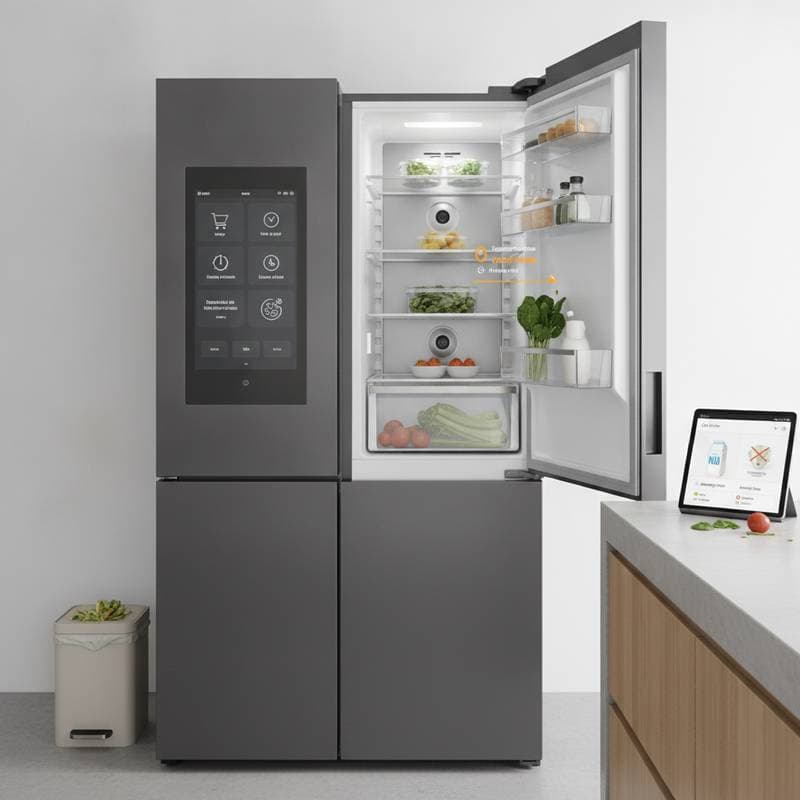
Balanced Option: LG ThinQ InstaView Refrigerator ($2,400 approximate)
Integrated with ThinQ technology, it interfaces with energy trackers. The application modulates cooling when solar storage supplies power. Usage analytics assist in refining patterns for optimal efficiency.
High-End Suite: Samsung Bespoke AI Oven with Energy Hub ($5,500 approximate)
Linked to SmartThings Energy, this package facilitates solar and battery oversight in supported regions. It adjusts heating or cycles per live solar data. Among current offerings, it provides the closest to seamless generation-consumption linkage.
Selection hinges on financial scope and objectives. For existing solar setups, favor Matter-compatible or open-platform devices like those from SmartThings or Home Assistant. These ensure effortless upgrades as standards mature.
Planning Integration: Expenses, Security, and Setup
Linking smart appliances to solar arrays avoids comprehensive rewiring, yet requires deliberate strategy. Verify that inverters and monitors transmit data to devices. Contemporary inverters often incorporate Wi-Fi for connectivity.
Entry-Level Costs: $800 to $3,000 covers tools for existing setups and monitoring.
Intermediate Investments: $3,000 to $8,000 includes new appliances and inverter enhancements.
Advanced Configurations: $9,000 plus incorporates storage, hubs, and forecasting software.
Security demands priority alongside savings. Engage professionals for any electrical work to prevent hazards or warranty issues. Certified solar and electrical experts familiar with management systems prove essential.
Utilities frequently provide incentives for peak-demand reducers. Review regional programs to offset installation expenses by hundreds of dollars.
Unlocking Load Shifting Advantages
A key yet underappreciated feature involves load shifting, where energy-intensive tasks shift to periods of abundance over cost or shortage. Systems will adapt to routines, automating schedules during solar excess.
For example, a dishwasher senses unused panel output and runs a cycle, retaining value instead of exporting to the grid for low returns. This approach elevates solar investments and eases grid pressures.
Experts note contributions to microgrid stability. Widespread adoption flattens demand, curbing outages and stabilizing rates.
Steps to Integrate Solar-Smart Systems
Prepare for this shift with these targeted actions:
- Strengthen Connectivity: Secure robust Wi-Fi or wired networks to sustain device interactions.
- Select Compatible Standards: Prioritize Matter or OpenADR in purchases for interoperability.
- Track Usage Patterns: Employ provider applications to analyze generation and draw insights for automation benefits.
- Incorporate Storage Solutions: Install batteries to buffer solar gains for non-peak hours.
- Consult Specialists: Have certified technicians configure components for safety and peak performance.
These measures position your home for autonomous energy handling.
Realizing Energy Autonomy
Appliances dialoguing with solar panels redefine residential energy dynamics. Beyond bill reductions, they craft environments responsive to natural cycles. A refrigerator easing operations amid overcast skies or a water heater timing for surplus fosters intuitive efficiency.
Open protocols will simplify setups, embedding solar responsiveness akin to mobile battery optimization. Incremental enhancements build toward sustainable ecosystems of generation, retention, and deployment.
Proactive homes secure advantages in this transition. Witness appliances, panels, and storage harmonize, aligning daily life with renewable rhythms.
Frequently Asked Questions
How do smart appliances connect with solar panels?
They link via a home energy management system employing standards like Matter or OpenADR.
What benefits arise from this integration?
Homeowners achieve cost savings, reduced emissions, and automated efficiency by matching consumption to solar production.
Are existing appliances compatible?
Many can integrate through smart plugs or hubs, though new Matter-ready models offer seamless future-proofing.
What costs should I anticipate?
Expect $800 to over $9,000 based on scope, with rebates potentially lowering expenses.
Is professional installation required?
Yes, to ensure safety and compliance with electrical standards.