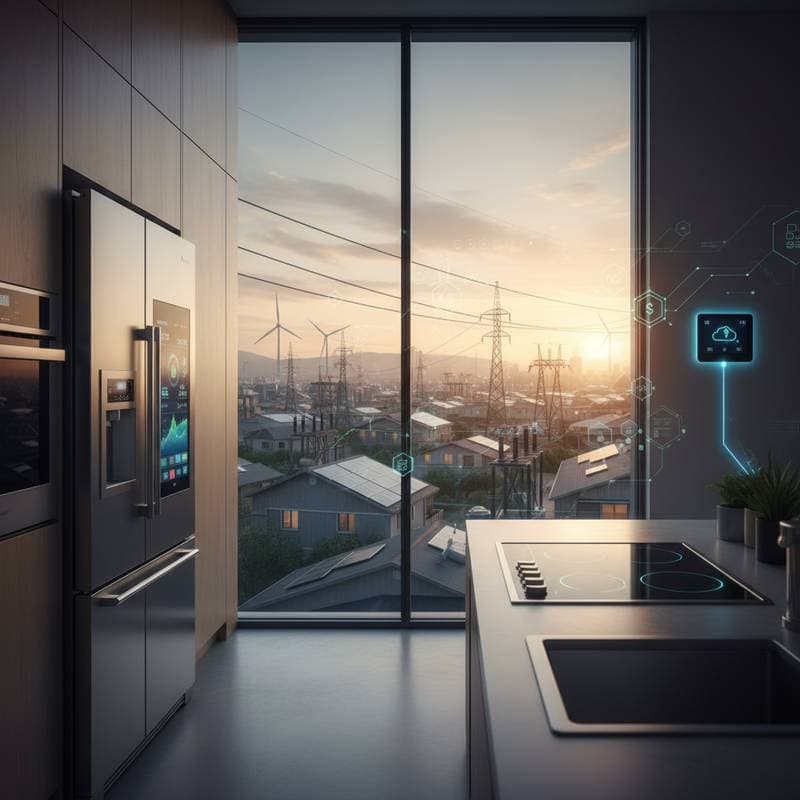
Smart Appliances Link to Your Power Provider
Smart homes advance to a higher level of intelligence as connected appliances establish direct communication with utility grids. This development extends beyond basic automation. It fosters an adaptive living space that harmonizes comfort, expenses, and environmental responsibility using real-time energy insights. The concept proves straightforward yet impactful: when appliances interact with the power provider, the household responds to energy needs instinctively, aids grid stability, and generates cost savings.
Functions of Grid-Connected Appliances
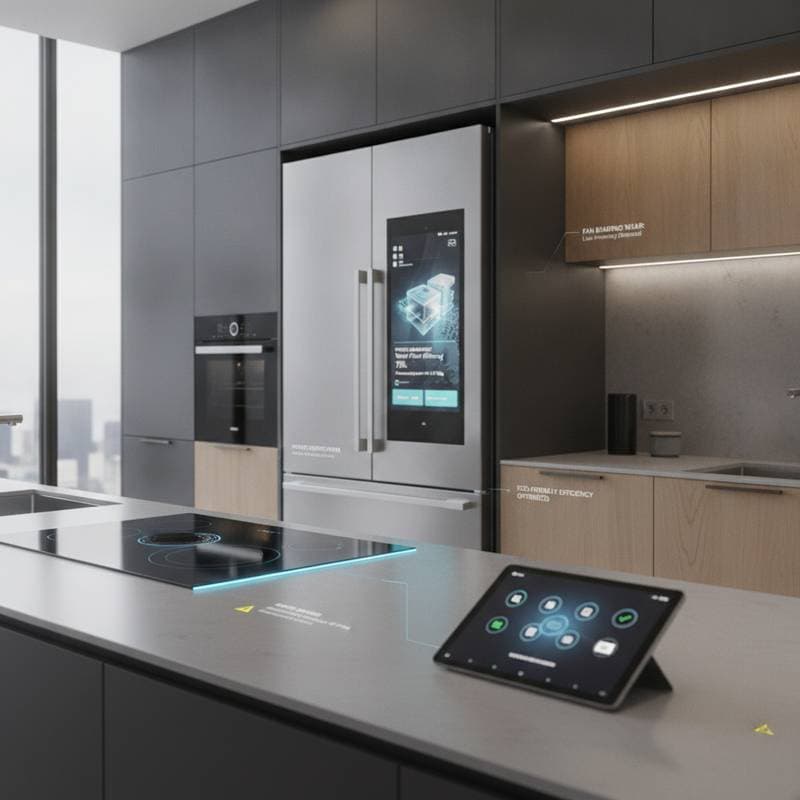
Appliances integrated with the power grid modify their energy consumption according to current grid status. For instance, a networked water heater postpones its heating cycle during periods of high demand, while a smart washing machine initiates operation when electricity rates decrease. These modifications occur seamlessly via protected channels linking the appliance to the utility infrastructure.
This process, known as demand response, equalizes electricity supply and demand. Utilities avoid the need to produce additional power at peak times because participating homes temporarily lower their usage. Homeowners experience reduced utility bills, diminished risk of outages, and enhanced overall energy reliability.
Implications for Daily Routines
Electricity prices vary by time of day, often unnoticed by typical users. Integration with the smart grid delivers this data straight to household devices. Consider a dishwasher that activates only during lower nighttime rates or an HVAC unit that pre-cools the space in the late afternoon when power costs less. Such adjustments accumulate into significant savings while preserving everyday convenience.
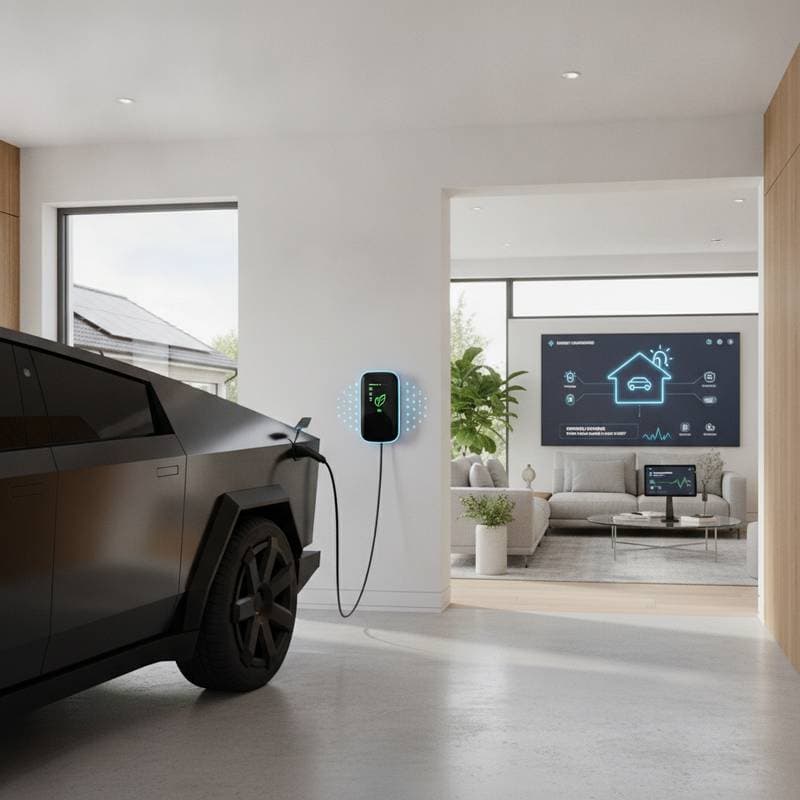
Utilities also profit from this arrangement. They access a responsive array of devices that mitigate demand surges. This reliability eases pressure on generation facilities and facilitates greater reliance on intermittent renewables such as solar panels and wind turbines. Consequently, communities benefit from lower carbon outputs and more consistent service.
Core Technology Enabling These Connections
The partnership between residences and utilities relies on robust bidirectional data exchange. Devices link via Wi-Fi or dedicated energy protocols to transmit consumption details and accept operational directives. Standards like Matter promote uniformity across different manufacturers and systems, simplifying setup and management.
Leading appliance producers incorporate these features into their lines. Take a smart dryer from Whirlpool that pauses during utility-designated peak intervals upon receiving signals. Collaborations between brands like GE and regional providers accelerate rollout, empowering users with detailed energy reports and customization options.
Challenges in Widespread Adoption
The prospect of fully responsive energy homes holds great potential, yet hurdles persist in gaining broad acceptance. Issues of data privacy, cybersecurity, and device compatibility demand attention. Many individuals hesitate over potential remote overrides by utilities, underscoring the need for explicit permissions and open communication policies to foster confidence.
Initial expenses represent another obstacle. Although smart devices grow more accessible, realizing optimal advantages typically involves enrolling in a utility's demand-response initiative. Providers counter this by offering financial incentives, such as rebates for qualifying equipment or discounted rates for flexible usage patterns, which increasingly encourage involvement.
Steps to Integrate Smart-Grid Features Effectively
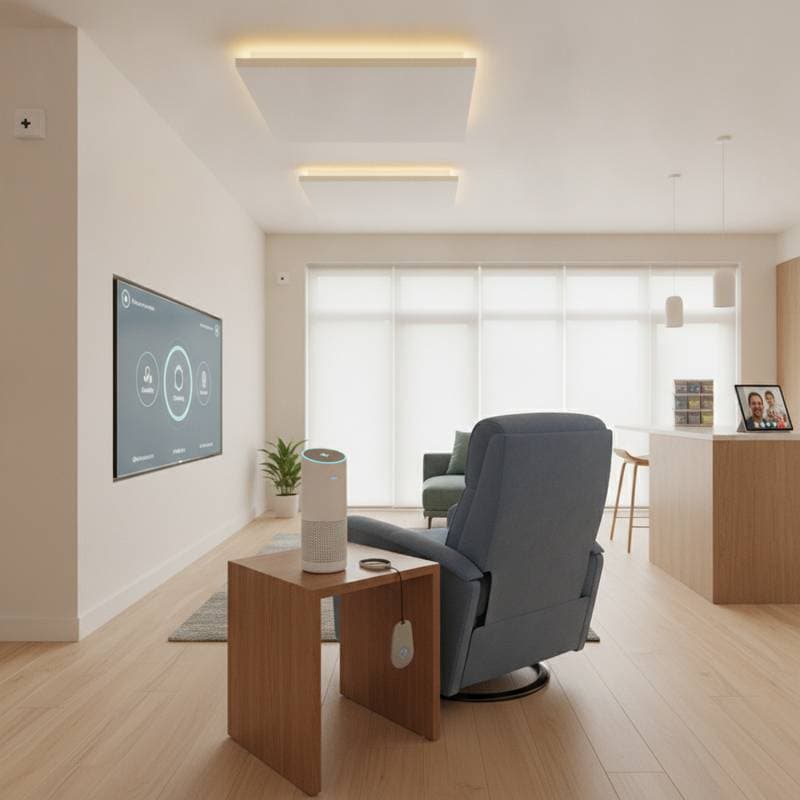
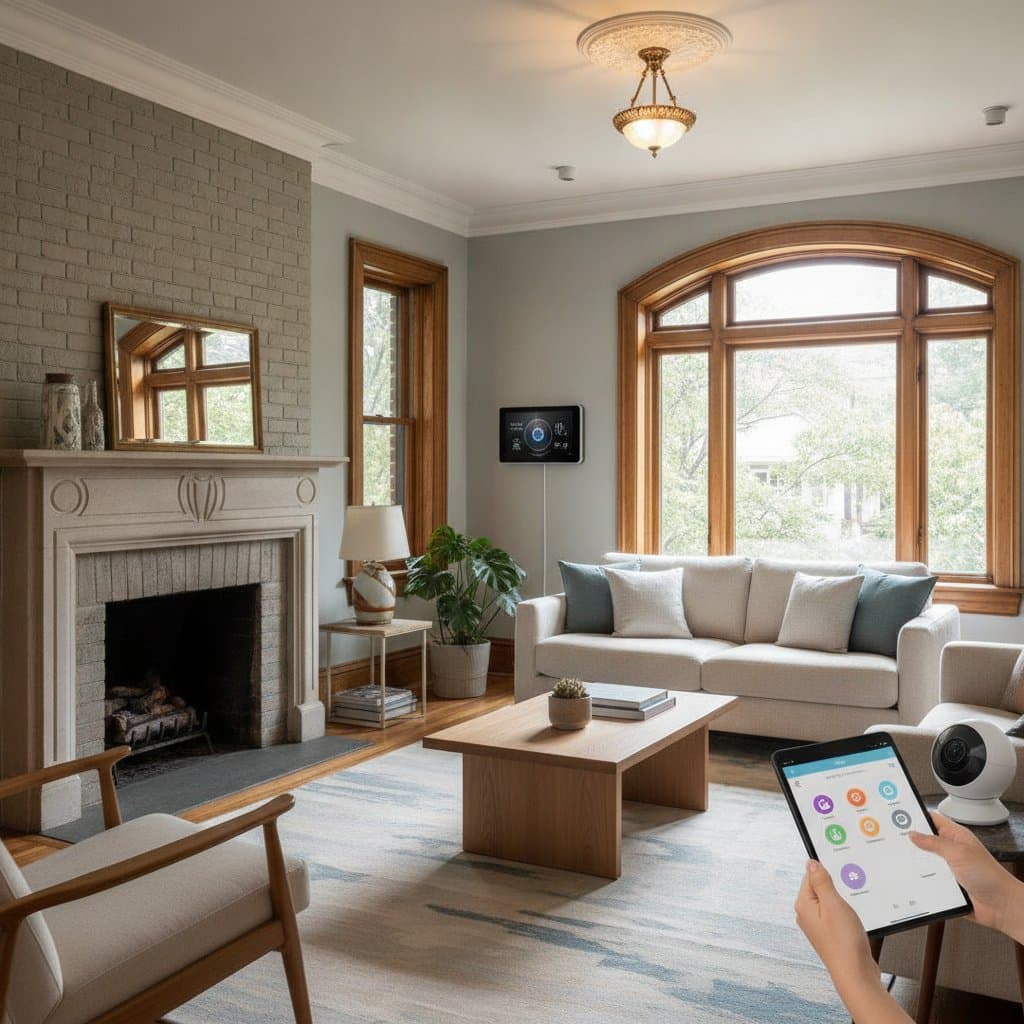
Homeowners eager to embrace this evolution should select appliances compatible with utility signaling. Review the provider's online resources for lists of endorsed devices and available programs that compensate for adjustable energy patterns. After installation, track and adjust consumption via dedicated apps or a centralized home control interface.
These advancements transcend mere financial gains. They signal progress toward residences that align with broader energy networks. As grid connectivity proliferates, appliances will mirror the constant online presence of smartphones, yielding households that consume power wisely, respond dynamically, and advance sustainable energy practices.