Embrace Off-Grid Freedom with Solar Smart Homes
Imagine waking up to a quiet morning where your home operates on stored solar energy. Lights adjust automatically to your routine, and no utility bill arrives at the end of the month. This scenario represents the promise of an off-grid solar smart home, which achieves self-sufficiency, sustainability, and attainability through the proper combination of technology and planning.
For many homeowners, the concept of complete off-grid living evokes both excitement and apprehension. The elimination of monthly bills and the capacity to generate personal power prove attractive, yet concerns regarding cost, reliability, and complexity often deter progress. Modern solar systems, integrated with smart energy management tools, render full or partial off-grid living more feasible than previously thought.
The New Face of Energy Independence
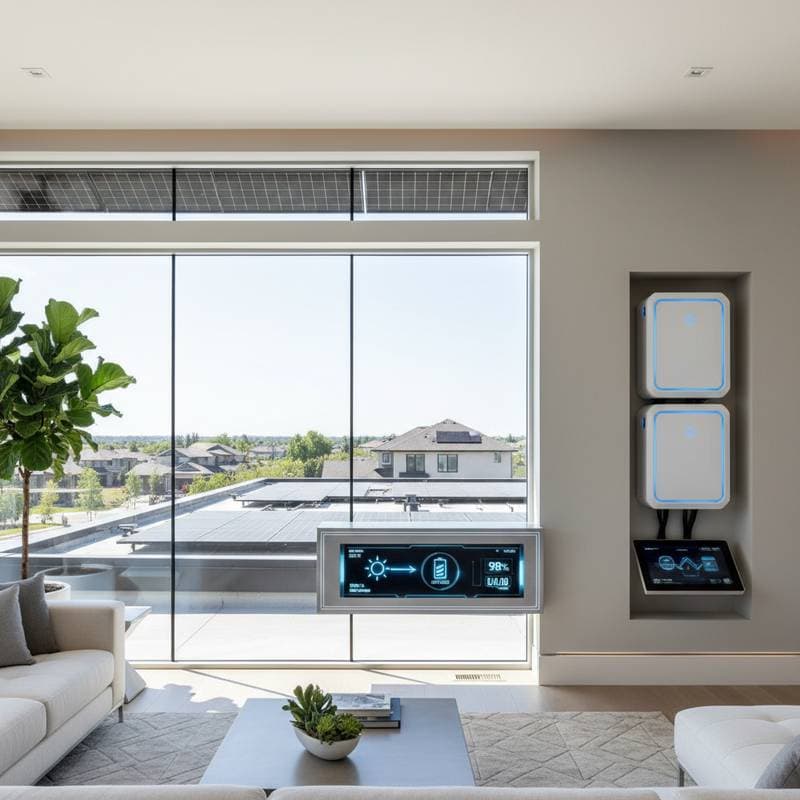
An off-grid smart home fundamentally integrates solar panels, battery storage, and intelligent control systems. Solar panels harvest energy from the sun, batteries preserve it for nighttime use, and smart devices regulate consumption automatically. These elements form a closed-loop ecosystem in which the home generates, stores, and utilizes its own power with optimal efficiency.
Smart integration elevates the functionality. Devices such as the Tesla Powerwall 3 or Enphase IQ Battery 10T interface directly with solar inverters and home automation hubs. Consequently, the home detects optimal times to operate high-demand appliances, store surplus energy, or conserve during periods of low sunlight. This responsive oversight maintains system equilibrium without requiring ongoing manual intervention.
Building Your Solar Smart Home System
Assembling an off-grid solar home demands coordinated components. The following outlines essential elements and their expected performance:
-
Solar Panels
Select panels that offer high efficiency and extended warranties. The Renogy 400W Monocrystalline Kit serves as a reliable budget choice, priced at approximately $650 for an initial configuration. For balanced performance, the Q Cells Q.PEAK DUO BLK 400 panels cost about $1,200 for equivalent capacity. Premium options, such as SunPower M Series panels, provide superior durability and efficiency for roughly $1,700 in similar output. -
Battery Storage
Batteries facilitate genuine off-grid capability. Budget-minded individuals may begin with the EcoFlow Delta Pro portable battery, available for around $2,800. A mid-range alternative, the LG Chem RESU10H, costs near $6,000 and pairs effectively with various solar inverters. High-end systems like the Tesla Powerwall 3 deliver up to 13.5 kWh of storage for about $9,000, incorporating advanced load-balancing capabilities. -
Smart Energy Management
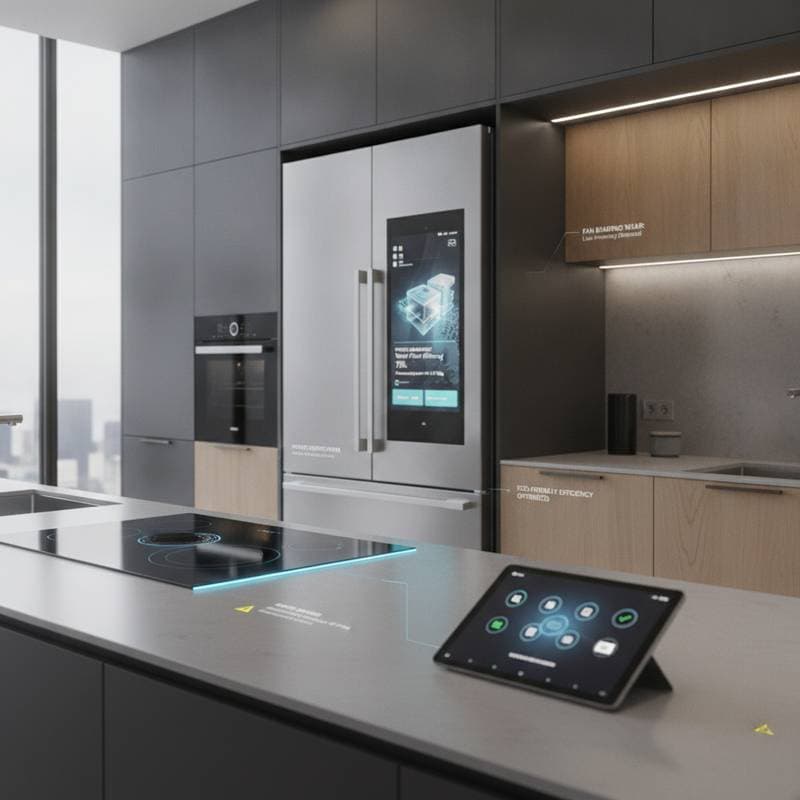
An off-grid home requires centralized oversight. Tools such as the Emporia Vue Smart Home Energy Monitor, priced at around $150, or the Sense Energy Monitor, at about $300, monitor real-time usage across circuits. These devices assist in pinpointing inefficiencies, automating conservation protocols, and optimizing overall performance. Users often combine them with smart thermostats, like the Google Nest Learning Thermostat, to refine heating and cooling based on usage patterns. -
Backup and Redundancy Systems
Efficient systems occasionally encounter adverse weather. Incorporating a compact propane or biodiesel generator remains prudent. Budget approximately $1,200 for a 5,000-watt unit. Integration with the inverter allows automatic activation when battery levels fall below a predefined limit.
Insider Tip: Size for the Night, Not the Day
A frequent error involves sizing systems solely on peak daytime production. Seasoned installers emphasize that sustainable energy independence hinges on battery performance during overnight demands. Begin calculations with nighttime consumption, then scale solar and storage accordingly. This method mitigates deficits during prolonged cloudy weather and reduces reliance on generators.
Managing Costs and Timelines
The shift to off-grid living extends beyond a single weekend endeavor. Homeowners typically proceed in phases, initiating with grid-connected solar, incorporating battery storage subsequently, and disconnecting fully upon system stabilization.
A modest solar array paired with basic storage totals around $10,000. Comprehensive off-grid setups with premium elements may surpass $40,000. Benefits materialize through enduring savings and enhanced energy reliability. Installation generally spans one to two weeks after securing permits and equipment. Verify local regulations, as certain regions mandate inspections or certifications for off-grid configurations.
Safety and Professional Guidance
Handling electrical systems demands vigilance. Engage a certified solar installer or electrician for all wiring and inverter installations. This practice guarantees adherence to safety standards and averts costly errors. Routine maintenance, including panel cleaning and battery inspections, sustains efficiency and security.
Consider modular design for future adaptability. Opt for inverters and batteries compatible with stacking or parallel setups. Such selections permit capacity expansions as needs evolve, without necessitating full system overhauls.
Integration with Smart Home Ecosystems
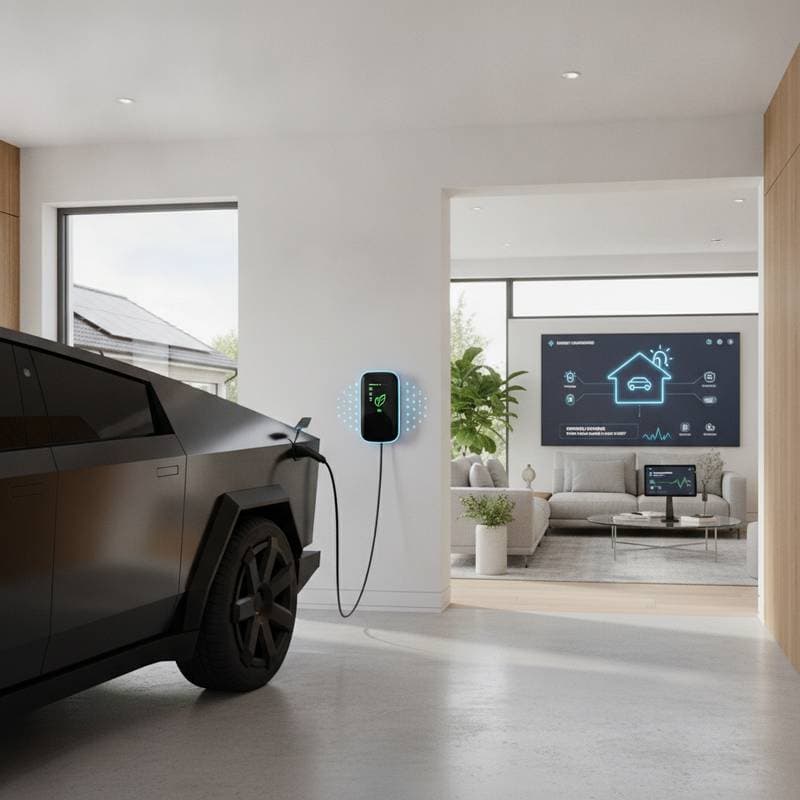
Contemporary smart homes depend on seamless connectivity. Optimal off-grid systems interface effortlessly with platforms including Amazon Alexa, Google Home, or Apple HomeKit. Through these, users automate lighting, modulate thermostats according to battery status, or obtain notifications for low energy reserves.
For existing hubs like Samsung SmartThings or Hubitat Elevation, prioritize solar and battery products supporting protocols such as Zigbee or Matter. This compatibility fosters enduring integration and simplifies subsequent enhancements.
Steps to Launch Your Off-Grid Journey
Solar smart homes suit visions of remote cabins, urban eco-retreats, or reduced utility expenses, providing a route to authentic independence. The value resides in self-generated energy and astute management. Evaluate daily power requirements first, then select scalable components aligned with budget and site conditions.
Approach planning methodically for a durable installation. Explore the XavageTech Marketplace to collaborate with certified solar experts offering complimentary quotes and tailored designs.
As evening descends and your lights illuminate from earlier solar capture, the realization of energy autonomy brings profound fulfillment. This lifestyle extends beyond financial gains, fostering intelligent, unburdened living in harmony with the environment.