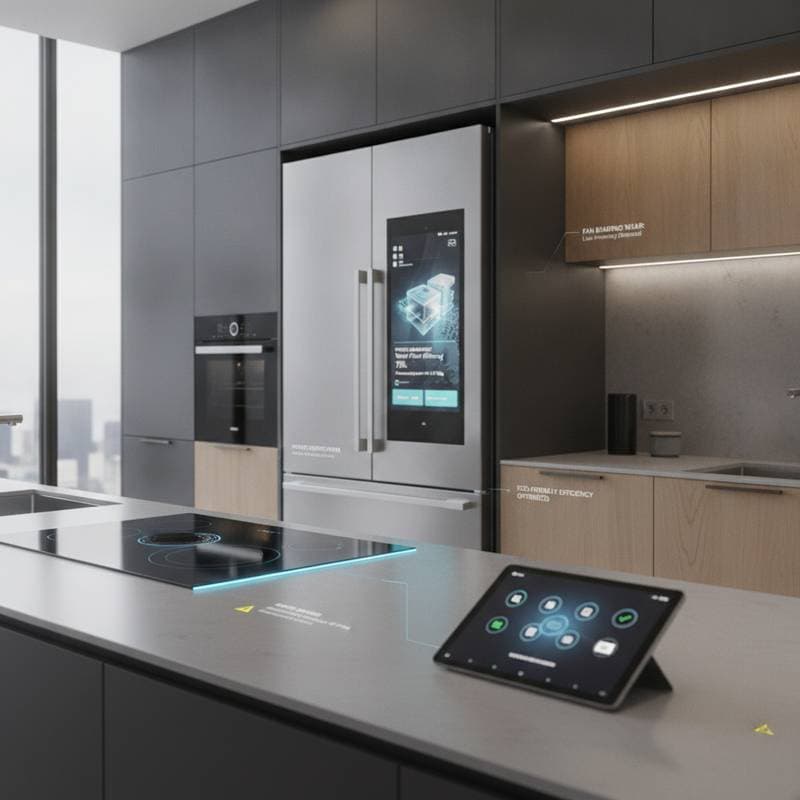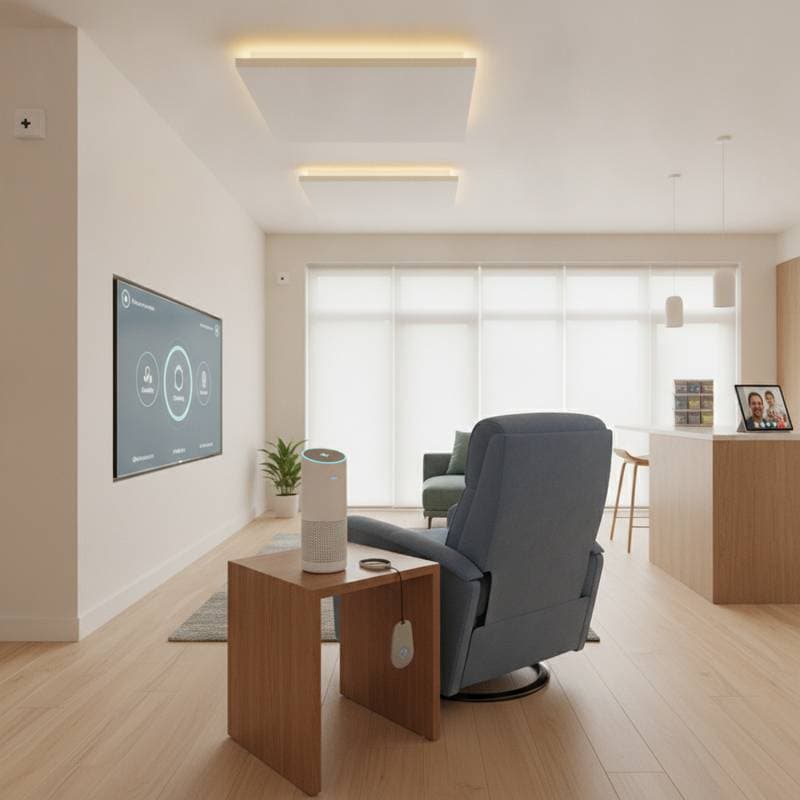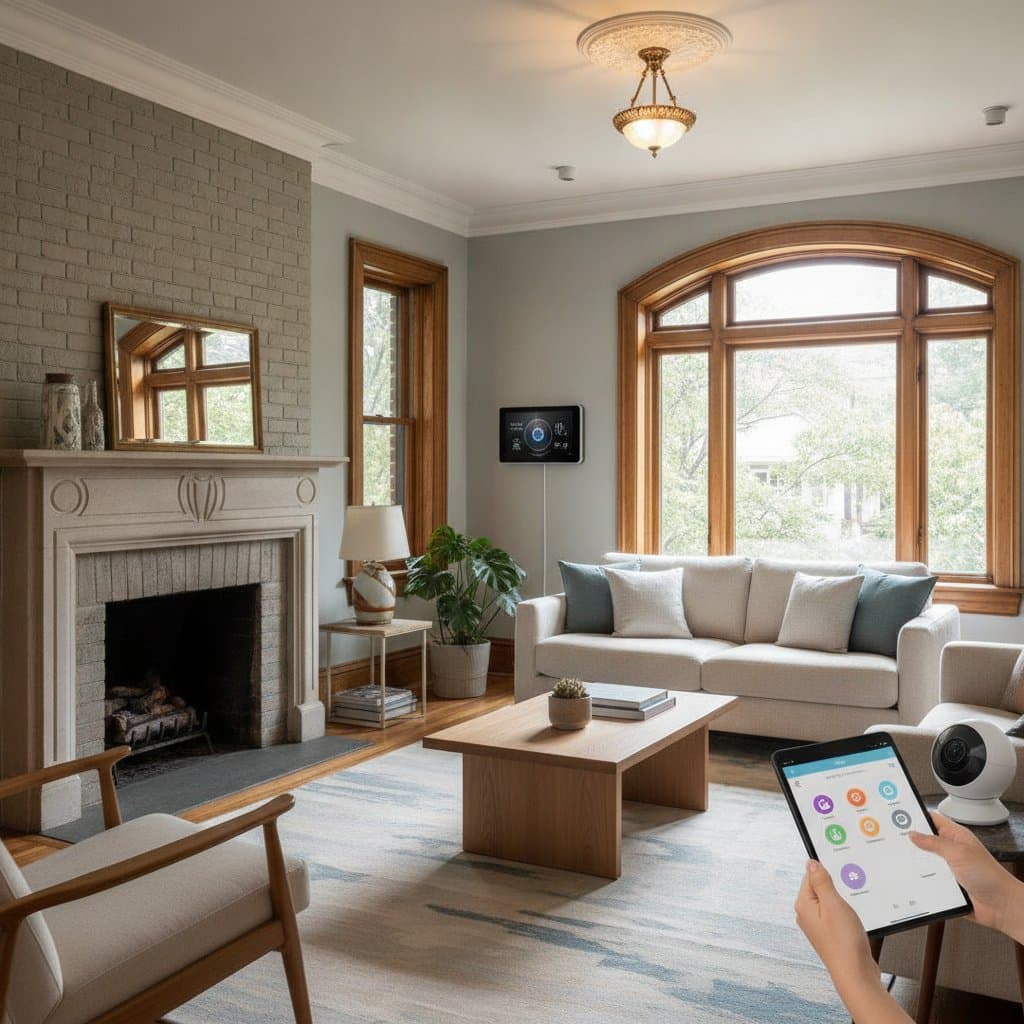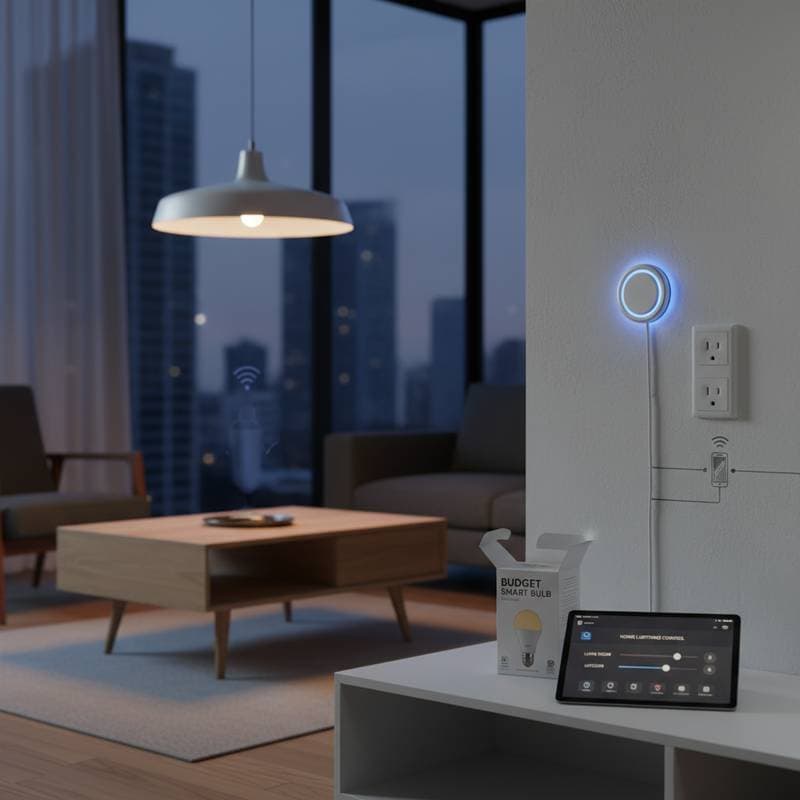
Imagine Entering a Room That Adjusts Perfectly to Your Presence
Lights activate gently upon entry, aligning with preferences set via smartphone. The environment becomes inviting, serene, and customized. Previously, such smart lighting appeared exclusive to new constructions or high-end renovations. However, advancements now enable retrofits that lower installation costs by up to 75 percent, rendering sophisticated control accessible to nearly every household.
Challenges of Traditional Smart Lighting Installations
Conventional smart lighting demanded extensive rewiring, central hubs, and expert labor, frequently exceeding several thousand dollars. Homes lacking low-voltage infrastructure or neutral wires in switch boxes faced additional hurdles when incorporating dimmers or tunable bulbs. Consequently, many individuals opted to retain standard switches, viewing them as more economical.
Recent innovations alter this landscape. Retrofit smart lighting integrates directly into current fixtures and wiring, infusing intelligence without structural alterations. These devices employ wireless standards such as Zigbee, Z-Wave, Thread, and Wi-Fi to interface with smartphones or voice assistants.
Overview of Retrofit Lighting Benefits
Retrofit smart lighting targets those seeking enhanced control, ease, and energy conservation absent comprehensive renovations. These setups leverage existing electrical configurations while substituting elements like bulbs, switches, or controllers with networked alternatives.
Savings arise from eliminating labor-heavy wiring tasks. A comprehensive home upgrade, previously priced in thousands, now requires only a portion of that investment. Applicable to compact apartments or expansive residences, retrofits facilitate gradual modernization.
Guide to Upgrading Lighting Efficiently
-
Initiate with a Single Area
Focus on a primary space, such as the living room or kitchen. Substitute standard bulbs with options like the Wyze Bulb Color, priced at approximately $14 per unit. These connect via Wi-Fi, enabling brightness and color adjustments through a mobile application. -
Incorporate Intelligent Switches
For tactile operation or compatible dimmable setups, install smart switches. The Kasa Smart Dimmer Switch HS220, at about $25, suits standard wall installations. It supports app and voice commands, integrating with Alexa and Google Home. -
Develop an Integrated Network
Advance to solutions like the Philips Hue Bridge and Bulb Starter Kit, costing around $130. The bridge links various bulbs and components, forming a robust mesh network that maintains functionality during Wi-Fi interruptions. -
Advance to High-End Management
For seamless dimming, custom scenes, and elegant aesthetics, select the Lutron Caséta Smart Lighting System, beginning at nearly $200 for initial kits. It utilizes a dedicated radio frequency for dependable operation and compatibility with major smart home platforms. -
Implement Automation Features
With connectivity established, configure routines such as dawn simulations or arrival-triggered exterior illumination. Contemporary systems incorporate geofencing, activating lights based on smartphone proximity to designated zones.
Key Considerations for Implementation
Financial Strategy
Complete retrofits, encompassing bulbs, switches, and hubs, span from $100 for basic configurations to $1,000 for full-home applications. Phased acquisitions over months render the process more approachable.
System Integration
Verify alignment with desired voice assistants or hubs. Philips Hue, for example, synchronizes with Alexa, Google Home, and Apple HomeKit. Lutron Caséta extends support to these and platforms like SmartThings for expanded automation.
Setup and Precautions
Individuals experienced with switch replacements can manage most installations. Deactivate power at the breaker prior to handling wires. For uncertainty or legacy two-wire systems, engage a certified electrician; the brief service typically proves cost-effective relative to assured safety.
Essential Advice: Switches Without Neutral Wires
Older residences often omit neutral wires, complicating smart switch additions. Innovations like the Lutron Caséta PD-6WCL operate effectively in such environments sans modifications. This capability expands accessibility to vast numbers of legacy homes.
Long-Term Advantages of Retrofit Approaches
Flexibility defines the primary draw. Commence modestly, incorporate devices per room, and scale according to finances. Adherence to standards like Matter or Zigbee ensures enduring compatibility with emerging technologies.
Immediate energy gains follow implementation. Systems curtail consumption by deactivating unused lights or modulating intensity amid natural illumination. Accumulating reductions prove substantial, particularly in sizable properties.
Steps to Achieve Your Upgrade
The moment arrives to enhance lighting if modernization has lingered. Retrofit selections offer simplified setup, reduced expenses, and enhanced reliability. Select a modest initiative, evaluate products, and observe rapid improvements in home responsiveness.
From vibrant living room ambiance to subtle morning illumination or intuitive voice directives supplanting manual toggles, retrofits realize these visions affordably. Technology evolves, costs decline, and installations suit diverse skill levels.
Prepare to elevate your surroundings into an intelligent, optimized haven attuned to daily rhythms. For expert assistance, consult reliable contractor services to obtain complimentary estimates.
Frequently Asked Questions
What defines a smart lighting retrofit?
A retrofit substitutes conventional bulbs or switches with wireless smart equivalents controllable via smartphone or voice assistant.
Is installation feasible in older homes?
Yes. Opt for neutral-free switches or Wi-Fi bulbs that demand no additional wiring.
Does smart lighting necessitate a hub?
Certain systems, including Philips Hue and Lutron Caséta, employ hubs for stability; alternatives like Wyze or Kasa rely solely on Wi-Fi.
What savings result from retrofits?
They diminish expenses by up to 75 percent versus complete rewiring or embedded systems.
Does smart lighting elevate energy expenses?
Typically, it lowers usage via automated shutoffs and dimming capabilities.
Which excels: smart bulbs or switches?
Bulbs provide renter-friendly versatility; switches suit permanent homeowner enhancements.
How are smart lights managed?
Control occurs through apps, voice systems, or programmed schedules based on the selected platform.
What is the lifespan of smart bulbs?
LED variants endure years of typical operation prior to replacement.
*Consult U.S. Department of Energy resources for insights on lighting efficiency and standards.