Introduction to Automated Home Cleaning
Home cleaning tasks often consume valuable time and energy. Smart robots now handle these responsibilities with precision and efficiency. Owners experience cleaner spaces without manual intervention, allowing focus on more enjoyable activities.
These devices integrate advanced sensors and artificial intelligence to perform duties autonomously. From floors to windows, they cover essential areas comprehensively. The result is a home that maintains itself, aligning with modern demands for convenience.
Evolution of Cleaning Technology
Early cleaning robots focused on basic vacuuming functions. Current models incorporate mapping technology and multi-surface adaptability. Manufacturers continually refine designs to address diverse home layouts and preferences.
Progress stems from improvements in battery life and navigation algorithms. Devices now avoid obstacles and return to charging stations seamlessly. This evolution ensures reliable performance across various environments.
Key Types of Home Cleaning Robots
Robot Vacuums
Robot vacuums represent the most common entry into automated cleaning. They feature rotating brushes and suction mechanisms to capture dust, debris, and pet hair. Advanced units include high-efficiency filters to improve air quality.
Many models create detailed floor maps using laser sensors. Users schedule cleanings via smartphone applications for customized routines. These vacuums excel in daily maintenance, preventing buildup in high-traffic areas.
Mopping and Hybrid Robots
Mopping robots tackle hard floors with vibrating pads or spinning microfiber cloths. Some combine vacuuming and mopping in hybrid designs for comprehensive coverage. Water reservoirs dispense cleaning solutions as needed.
Self-washing features allow mops to rinse and dry after use, minimizing maintenance. Integration with voice assistants enables hands-free operation. These tools restore shine to tiles and hardwood without streaking.
Window Cleaning Robots
Window bots adhere to glass surfaces using vacuum suction or magnetic systems. They move systematically to remove smudges and grime from both interior and exterior panes. Safety cords prevent falls for outdoor applications.
Sensors detect edges to avoid slipping off frames. Users apply cleaning solution directly to the device for even distribution. These robots simplify high-reach tasks, ensuring streak-free results year-round.
Specialty Cleaning Devices
Pool cleaning robots submerge to scrub walls and floors, filtering water efficiently. Kitchen bots target countertops and appliances with targeted sprays. Each specialty unit addresses niche areas overlooked by general cleaners.
Durability features like waterproof casings enhance longevity. Programming options allow timed operations during off-peak hours. Such targeted solutions complement broader cleaning strategies.
How AI Powers Cleaning Efficiency
Artificial intelligence enables robots to learn home layouts over time. Initial runs build digital maps, which subsequent sessions reference for optimized paths. This learning reduces cleaning duration and energy use.
Adaptive algorithms adjust suction power based on surface types or dirt levels. Collision avoidance relies on ultrasonic and infrared sensors for safe navigation. Coordination among multiple devices creates synchronized cleaning cycles.
Connectivity through Wi-Fi allows remote monitoring and adjustments. Firmware updates introduce new features without hardware changes. AI ensures devices operate intelligently, adapting to changes like rearranged furniture.
Building an Integrated Cleaning Ecosystem
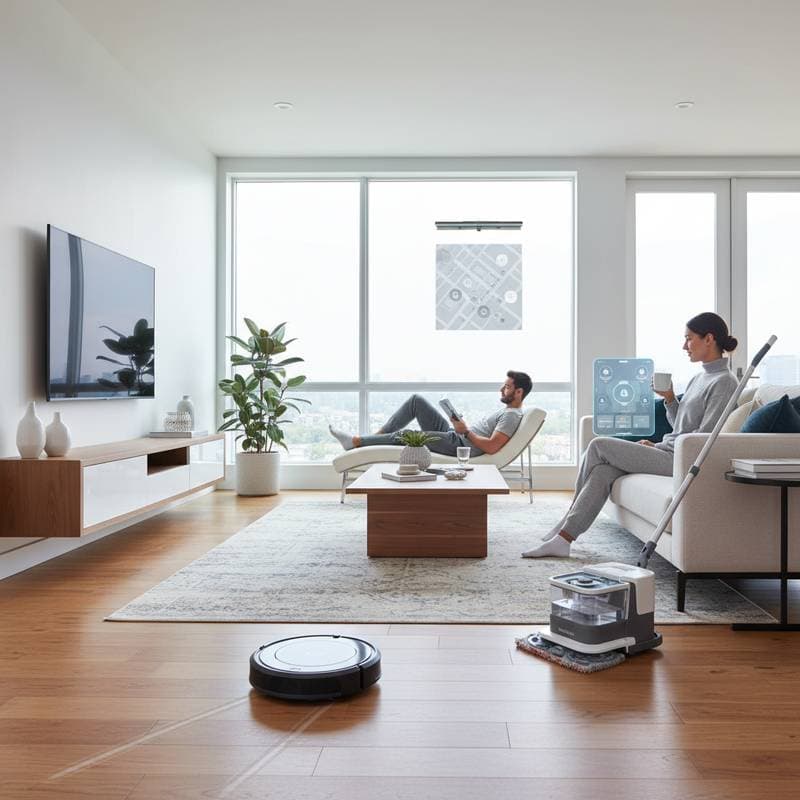
A single robot provides value, yet combining units amplifies benefits. Vacuums and mops can alternate tasks to cover all floor types effectively. Central hubs manage schedules to prevent overlaps.
Compatible brands offer app-based ecosystems for unified control. Voice commands via smart speakers initiate routines effortlessly. This integration transforms isolated tools into a cohesive home maintenance network.
Users benefit from comprehensive coverage without constant oversight. Data logs track cleaning history for performance insights. Ecosystems evolve with home needs, scaling from apartments to larger residences.
Practical Benefits for Daily Life
Automated cleaning frees hours weekly for leisure or productivity. Reduced physical effort benefits those with mobility challenges or busy schedules. Consistent maintenance prevents deep cleans, saving long-term effort.
Allergy sufferers appreciate enhanced filtration that traps allergens. Pet owners value hair removal without manual sweeping. Overall, these robots promote healthier living environments through regular upkeep.
Energy efficiency lowers utility costs compared to traditional methods. Quiet operation minimizes disruptions during work or rest. The psychological relief from chore elimination boosts well-being.
Selecting the Ideal Cleaning Robot
Assess home size and floor types before purchase. Battery runtime and bin capacity influence suitability for larger spaces. Reviews highlight reliability in real-world scenarios.
Budget considerations include initial cost and ongoing maintenance like filter replacements. Warranty coverage ensures support for technical issues. Trial periods allow testing compatibility with specific needs.
Prioritize models with strong navigation and app integration. User interfaces should remain intuitive for all ages. Informed choices lead to devices that integrate seamlessly into routines.
Emerging Trends in Smart Cleaning
Future robots will incorporate advanced materials for quieter operation. Enhanced AI may predict dirt accumulation based on usage patterns. Sustainability drives development of eco-friendly batteries and recyclable components.
Augmented reality apps could visualize cleaning paths pre-purchase. Interoperability with other smart home devices expands functionality. Innovations promise even greater autonomy and efficiency.
Achieve a Spotless Home with Minimal Effort
Embracing cleaning robots shifts focus from tasks to experiences. Homes become sanctuaries of cleanliness and calm. Invest in these technologies to elevate everyday living standards.