Introduction to Autonomous Appliance Maintenance
Picture a dishwasher completing its cycle and then notifying a parts supplier to dispatch a replacement water valve just before any malfunction occurs. No emergency service visits arise, no unexpected leaks develop, and the resolution proceeds seamlessly in the background. This scenario represents the emerging reality of smart appliances that self-diagnose problems and initiate their own repairs, marking a significant advancement in connected home technology.
Challenges with Conventional Appliance Repairs
Homeowners frequently encounter unexpected failures, such as a washing machine that fails to spin properly, an oven that ceases heating during meal preparation, or a refrigerator emitting unusual noises. These incidents disrupt daily routines and often incur substantial expenses. Delays in securing technician visits, diagnostic fees, and part arrivals compound the frustration. Predictive maintenance alters this process fundamentally, converting potential crises into proactive, automated solutions.
Capabilities of Self-Diagnosing Smart Appliances
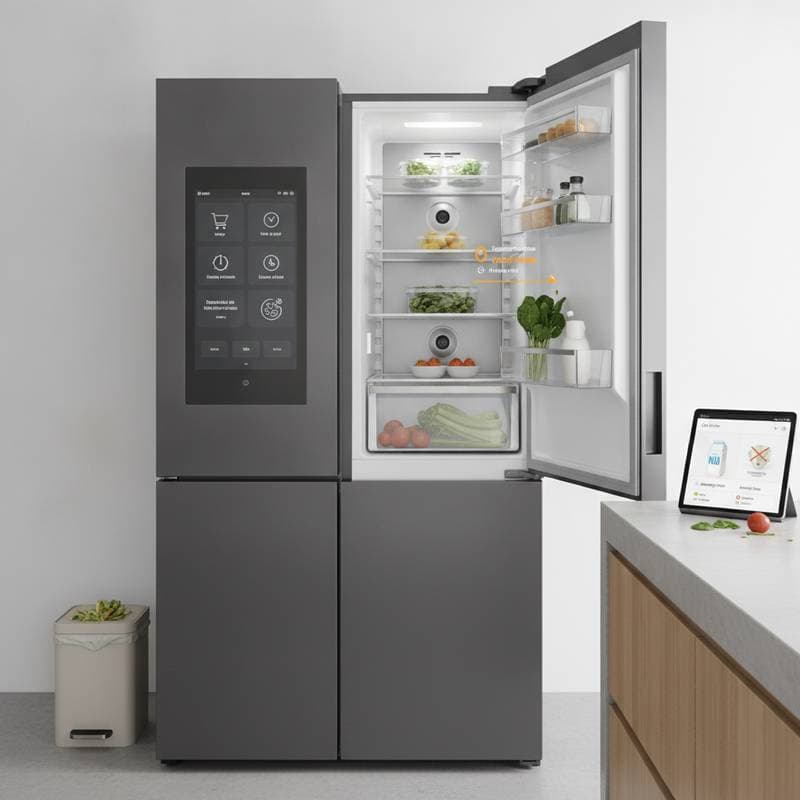
Current smart appliances track usage patterns, energy consumption, and environmental variables like temperature. Future iterations anticipate breakdowns by analyzing data trends. Embedded sensors detect component wear, while cloud analytics identify specific faults. The appliance then triggers a repair sequence, such as a refrigerator detecting elevated compressor temperatures and procuring a compatible replacement unit from the manufacturer. A local certified technician receives the schedule, allowing the owner to continue daily activities uninterrupted.
This technology delivers convenience alongside financial benefits. By averting severe malfunctions, it prevents issues like water damage from leaks, food spoilage in fridges, or risks from electrical faults. Owners safeguard their investments through timely interventions that extend appliance longevity.
Mechanics of Predictive Maintenance
Predictive maintenance operates through a structured sequence of steps:
-
Data Gathering: Sensors capture real-time metrics, including vibration levels, thermal readings, and electrical current usage.
-
Cloud Processing: The device transmits data to a protected server, where machine learning algorithms evaluate it against established performance norms.
-
Issue Identification: Deviations from baselines prompt alerts for impending failures, enabling early action.
-
Initiated Resolution: The system alerts the user via a mobile application, engages service providers, or directly orders required components.
Manufacturers increasingly develop open application programming interfaces (APIs) to facilitate integration with external networks. This openness permits owners to select preferred suppliers for parts, enhancing oversight and customization options.
Pioneering Devices in the Market
Leading manufacturers introduce models with built-in self-maintenance features.
-
Affordable Option: The GE Smart Front Load Washer with OdorBlock, priced at approximately $900, provides self-cleaning cycles and diagnostic notifications via the SmartHQ application.
-
Mid-Tier Choice: The LG ThinQ InstaView Refrigerator, around $2,000, tracks compressor performance and generates maintenance alerts through the LG ThinQ platform.
-
High-End Model: The Samsung Bespoke AI Oven, at about $3,500, employs sophisticated sensors to forecast heating element degradation and summons professional service as required.
These units integrate with voice assistants like Google Home, Amazon Alexa, and Samsung SmartThings. Such interoperability allows kitchen devices to exchange data, creating a cohesive smart ecosystem that optimizes operations across multiple appliances.
Financial, Privacy, and Implementation Factors
Appliances equipped with predictive maintenance features command a 10 to 20 percent premium over standard models. However, reductions in repair expenses, minimized operational interruptions, and enhanced energy savings typically recoup the initial outlay within several years. Regular firmware updates refine diagnostic accuracy, making devices progressively more effective over time.
Privacy remains a key concern for many. Systems employ end-to-end encryption and data anonymization techniques to secure transmissions. Review each manufacturer's data handling policies before purchase. Secure the home network with robust protocols and enable multi-factor authentication for added protection.
For repairs involving electrical wiring or gas lines, certified professionals must handle installations. While appliances excel at fault detection, human expertise ensures adherence to safety regulations and building codes.
Building a Self-Managing Home Environment
Advancements in predictive systems will expand to additional household elements, enabling water heaters to arrange descaling services or air purifiers to procure fresh filters independently. This evolution fosters homes that maintain themselves with minimal owner involvement. Residents enjoy reduced stress, diminished upkeep expenses, and assurance in consistent performance.
Embrace this shift toward autonomous living. A kitchen free from unexpected disruptions or a laundry area operating flawlessly becomes achievable through these innovations. Post your project on XavageTech Marketplace for free to connect with verified installers and maintain optimal smart home functionality.
Frequently Asked Questions
How accurate are predictive maintenance predictions in smart appliances? Algorithms improve with usage data, achieving up to 90 percent accuracy in forecasting failures based on current industry benchmarks.
Can I integrate self-diagnosing appliances with existing smart home setups? Yes, most models support major platforms like Google Home and Alexa for seamless connectivity.
What if a repair part is unavailable? Systems check inventory in real-time and suggest alternatives or expedite shipping from multiple suppliers.
Do these features void warranties? No, they often extend coverage by preventing damage; confirm with the manufacturer.
How much data do smart appliances collect? Only performance-related metrics, processed securely without personal identifiers unless opted in.