When Your Home and Utility Company Speak the Same Language
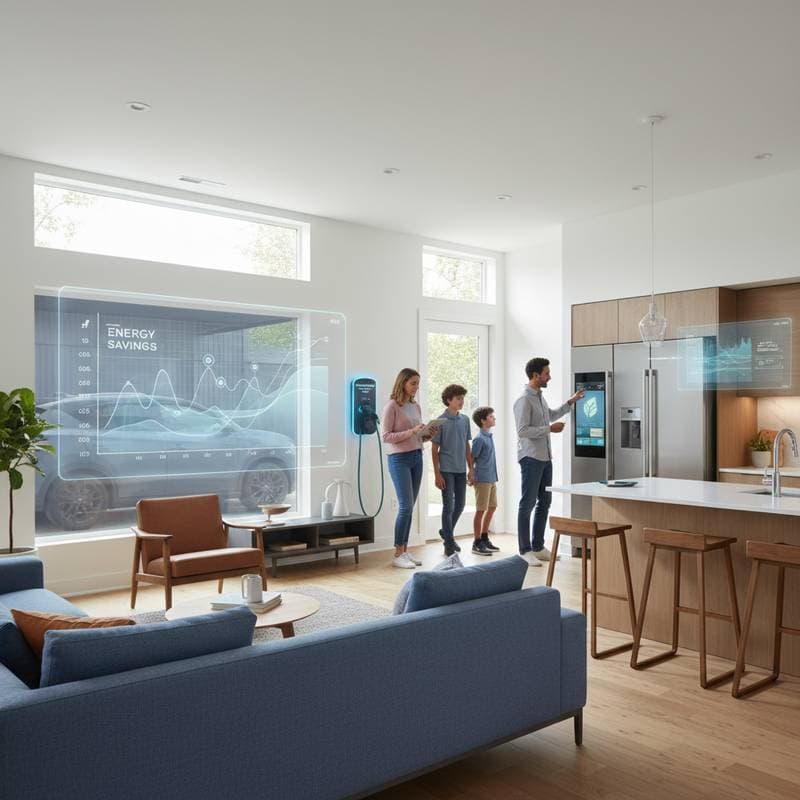
Picture a dishwasher that pauses until electricity rates decrease before initiating its cycle, or a water heater that modifies its operation upon receiving a grid stress notification from the utility provider. This scenario represents the emerging standard for smart appliances integrated with power companies. These devices extend beyond Wi-Fi connectivity to form part of an adaptive energy ecosystem that controls expenses and maintains grid equilibrium.
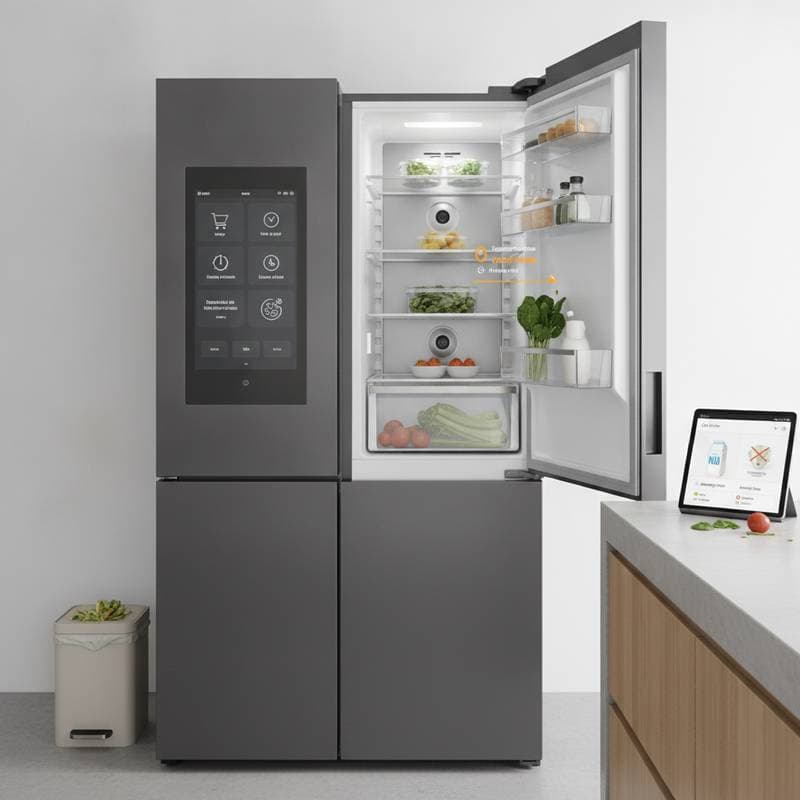
Homeowners often view this development with enthusiasm tempered by uncertainty. A smart refrigerator typically serves to monitor inventory, yet its network capabilities now enable contributions to grid resilience by preventing outages. The key resides in mastering these integrations to benefit households directly, beyond mere utility advantages.
Why Smart Appliance Integration Matters
Conventional appliances draw power indiscriminately, ignoring fluctuations in availability or cost. Smart appliances differ by exchanging real-time data with utility providers via protected cloud platforms. This linkage facilitates demand response, where devices modify their functions automatically during periods of elevated costs or grid pressure.
Consider a peak afternoon: a smart air conditioner could defer part of its cooling process, curtailing usage briefly without compromising indoor comfort. Such actions yield personal savings, preserve grid integrity, and avert disruptions. When replicated across numerous residences, these efforts generate substantial systemic impacts.
How It Works Behind the Scenes
Integration commences with the appliance joining the home network and enrolling in the utility demand-response system. Power companies collaborate with leading manufacturers like LG, Samsung, and Whirlpool to enable signal reception on their products.
Upon detecting grid stress, the utility dispatches a concise digital instruction. The appliance processes this input to postpone operations, reduce intensity, or halt temporarily. Notifications appear in the manufacturer application, permitting overrides as necessary. These modifications typically endure mere minutes yet significantly alleviate network burdens.
A vital detail for homeowners: numerous utilities compensate participants. Incentives include initial enrollment bonuses, recurring bill reductions, or seasonal prepaid cards. Participation delivers not only efficiency gains but tangible financial returns for cooperative device behavior.
Choosing Smart Appliances That Can Connect
When assembling or enhancing a smart home, select Wi-Fi-enabled models certified as Energy Star Smart Grid Ready or Demand Response Compatible. These designations confirm secure interaction with energy suppliers.
Recommended Options by Budget
-
Budget Pick: GE Profile Smart Front Load Washer (around $850)
This unit interfaces with utility demand-response initiatives via the SmartHQ application. It shifts cycles to avoid peak energy demands and monitors water usage for comprehensive utility optimization. -
Mid-Range Choice: LG ThinQ Refrigerator (around $1,800)
The ThinQ system aligns with various utilities, curtailing compressor function during high-demand intervals and restoring it when rates fall. The application delivers in-depth energy analytics. -
Premium Model: Samsung Bespoke AI Oven (around $3,200)
Employing predictive technology, this oven preheats solely during low-rate periods. It responds to grid directives by rescheduling tasks, ideal for time-of-use pricing structures.
Each model utilizes Wi-Fi connectivity and accommodates integrations with Alexa, Google Home, or SmartThings, merging grid responsiveness with voice commands or automated sequences.
Setting Up Grid Integration at Home
Connect appliances to the utility via the manufacturer application or provider portal. Follow these steps:
-
Create or access your appliance account.
Registration activates essential cloud functionalities for all prominent brands. -
Locate the utility demand-response program.
Examine the provider website using terms like smart device integration or energy rewards. -
Authorize the linkage.
Permit secure sharing of appliance performance data; utilities receive only operational summaries, excluding personal identifiers. -
Configure preferences.
Applications allow selection of participation levels, from fully automatic to requiring manual consent. -
Track earnings.
Review the utility portal or manufacturer app for demand-reduction instances and associated credits.
Setup requires under one hour and operates seamlessly thereafter.
Practical Considerations Before You Begin
Although straightforward, evaluate these factors prior to implementation:
-
Privacy and Security: Verify encrypted connections. Established manufacturers adhere to rigorous data protocols; employ robust passwords and two-factor verification.
-
Home Compatibility: Legacy routers or mesh networks might falter with extensive device arrays. Upgrade to Wi-Fi 6 if performance issues arise.
-
Power Rates: Effectiveness hinges on the utility pricing framework. Time-of-use schedules maximize advantages through automated off-peak shifts.
-
Backup Control: Retain manual override capabilities. Devices accommodate immediate needs by disregarding delays.
-
Professional Installation: For substantial units like water heaters or HVAC, engage electricians, particularly when incorporating load controllers or solar setups.
The Bigger Picture: Energy Automation Meets Sustainability
This innovation bridges individual ease with broader environmental goals. Each adjustment diminishes reliance on fossil fuels during high-demand phases, cumulatively cutting emissions while preserving lifestyle quality.
Experts describe it as an invisible partnership between residences and providers. Responsive appliances position households within an intelligent, decentralized energy framework surpassing isolated gadgetry. The focus emphasizes strategic timing of usage to align with economical or renewable sources.
Advancing Your Smart Energy Setup
Commence modestly by registering a single appliance in the local demand-response initiative and observing bill impacts over cycles. Many initiate with thermostats before progressing to laundry or heating systems. The adoption process proves accessible, with prompt returns in ease and performance.
For comprehensive overhauls, seek certified smart home specialists to unify appliances, thermostats, and inverters via a central hub. Platforms like the XavageTech Marketplace facilitate connections with qualified installers at no cost.
Utility-integrated smart appliances transcend novelty; they herald proactive residences that anticipate needs, promote accountability, and interface seamlessly with essential infrastructure. From bill reductions to ecological contributions, the forthcoming appliance acquisition could emerge as an understated catalyst for these outcomes.
Frequently Asked Questions
How does demand response save money?
Appliances curtail or relocate consumption to off-peak periods, decreasing overall bills and potentially securing utility incentives.
Can participation be discontinued after connecting appliances?
Yes, deactivate via appliance settings or the utility interface at any point.
Do solar panels prove necessary for system functionality?
No, grid-tied homes suffice, although solar integration amplifies efficiencies.
Is personal data transmitted to the power company?
Merely operational details like usage patterns transmit, excluding sensitive or identifying elements.
Do devices function amid internet disruptions?
Yes, standard operations persist, though grid directives await reconnection.
Can renters engage in these programs?
Certainly; plug-in items such as smart outlets and mobile conditioners often qualify.
Are rebates available for enrollment?
Utilities frequently provide rebates or credits per device; consult the provider site for details.
What occurs if a grid signal clashes with personal schedules?
Manual authority remains; override or modify timings through the application.