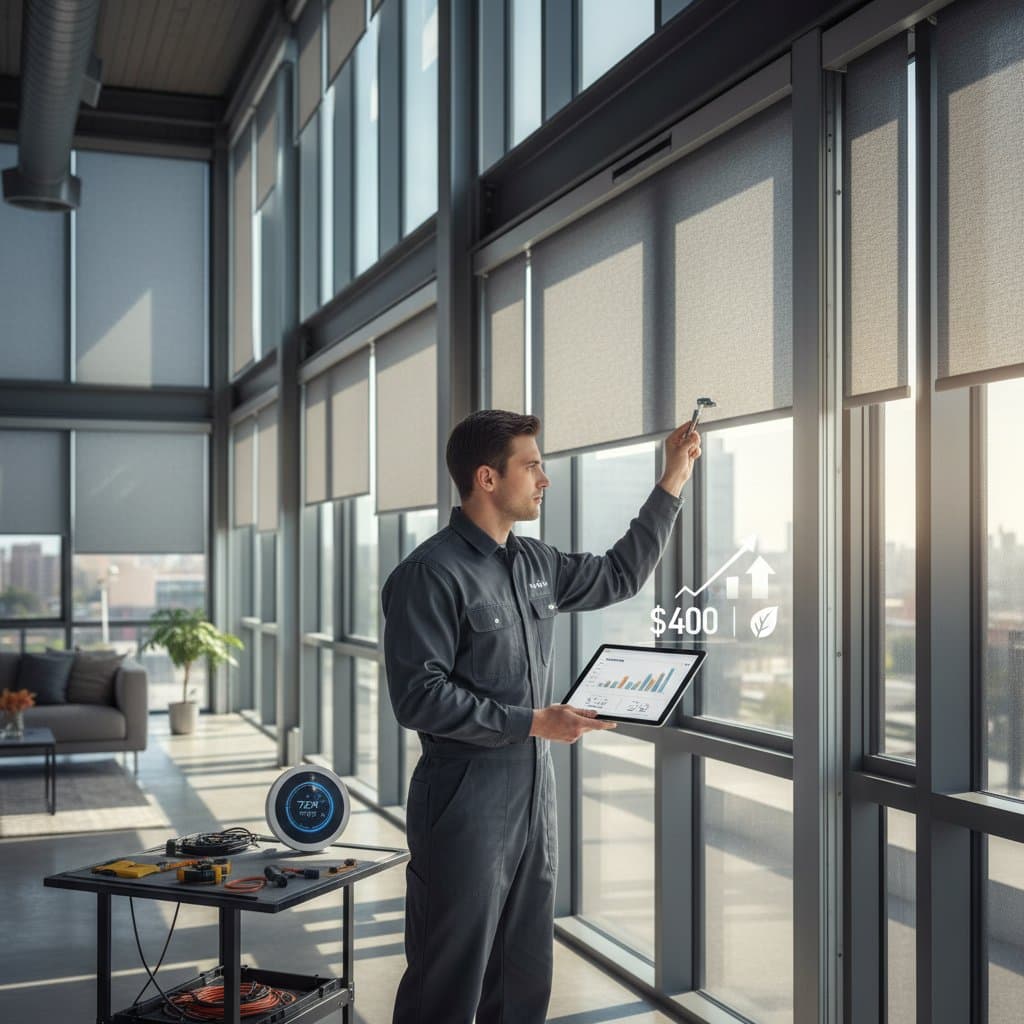
Envision Comfort and Efficiency from the Start
Envision entering your living room on a cold morning to discover it already warm, with sunlight gently heating the area without any need to adjust the thermostat. Or consider returning home in the evening to a refreshed, cool space despite the air conditioner remaining off throughout the day. This seamless experience represents the subtle power of smart blinds. They respond to sunlight and temperature variations, reducing annual heating and cooling costs by up to four hundred dollars while maintaining optimal comfort.
Energy expenses often seem inevitable for homeowners. However, appropriate automation transforms windows into effective instruments for natural temperature regulation. Smart blinds belong to the Smart Energy and Sustainability category. They emerge as a leading choice for those seeking effortless efficiency.
The Impact of Smart Blinds on Home Energy Use
Windows serve as the primary pathways for heat loss and gain in a home. During winter, warmth escapes through the glass. In summer, incoming sunlight elevates cooling demands. Traditional blinds offer assistance, but their effectiveness depends on consistent manual adjustments throughout the day. Automation addresses this limitation.
Smart blinds employ compact motors and sensors to respond to sunlight, indoor temperatures, or predefined schedules via an app or voice assistant. They close during intense afternoon sun and open in the morning to admit warmth. These incremental adjustments accumulate into significant energy reductions over time.
A valuable integration tip involves combining smart blinds with a smart thermostat. When these systems exchange sensor information, climate management achieves superior efficiency. The thermostat recognizes when sunlight contributes to room heating and reduces furnace operation accordingly.
Core Mechanics of Smart Blinds
Smart blinds integrate three essential technologies: motorized mechanisms, wireless connectivity, and environmental sensors. Most models link to Wi-Fi or Zigbee networks and synchronize with ecosystems such as Google Home, Apple Home, and Alexa. Certain advanced versions feature solar-powered motors, eliminating the need for wiring and minimizing upkeep.
A standard setup operates as follows:
- Sensors monitor light or temperature. The system assesses brightness and heat upon sunlight contact with the window.
- Adjustments execute automatically. Blinds tilt or close to prevent summer heat buildup or open to harness winter warmth.
- Schedules enable customization. Establish daily patterns or permit blinds to align with sunrise and sunset cycles.
- Control occurs via voice or app. Issue commands like "Lower the living room shades" or manage settings remotely through a smartphone.
Many contemporary smart blind systems incorporate adaptive learning features. Within weeks, they analyze manual inputs to anticipate user preferences and execute adjustments proactively.
Evaluating Available Smart Blind Options
Smart blinds vary considerably in price and functionality. The following examples represent reliable choices across budget levels.
Budget Option: IKEA Fyrtur ($169 per window)
These battery-operated shades provide affordability, straightforward installation, and compatibility with the IKEA Home Smart system, Alexa, and Google Home. Control proceeds through a remote or app, with recharging accomplished via USB. They suit small areas or rental properties requiring automation without electrical modifications.
Mid-Range Choice: SwitchBot Curtain Smart Blinds 3 ($299 per window)
This unit adapts existing curtains or blinds into automated setups, avoiding full hardware replacement. App or sunlight-based scheduling governs operation. An optional solar panel ensures perpetual charging. It appeals to individuals pursuing versatile, do-it-yourself solutions.
Premium Selection: Lutron Serena Smart Shades ($599 per window)
These deliver custom tailoring, near-silent performance, and robust integration with Apple Home and Lutron's Caséta platform. Power sources include batteries or wiring, with precise sensors enabling real-time light adjustments. They fit expansive residences or upscale remodeling projects.
Each option connects with thermostats such as Ecobee or Nest, allowing HVAC responses to environmental shifts.
Key Factors for Smart Blind Installation
Prioritize rooms exposed to direct sunlight when selecting sites for smart blinds. South- and west-facing windows typically yield the greatest returns.
Budget Allocation: Costs range from $150 to $600 per window, influenced by dimensions, fabric, and motor specifications. Professional installation adds approximately $100 per window for wired configurations, although numerous models support battery or plug-in setups.
Installation Duration: Self-installation requires about one hour per window. Comprehensive professional installations for an entire home conclude in one to two days.
Safety Measures: Select motorized blinds adhering to child safety guidelines, free of dangling cords. For wired installations, engage a certified electrician.
Projected Savings: Independent evaluations indicate automated shades diminish summer heat gain by up to 45 percent and winter heat loss by up to 20 percent. Annual savings often reach several hundred dollars.
Enhancing Performance with System Integrations
Link smart blinds to a central hub or thermostat for peak results. Coordinated operation among blinds, lighting, and climate controls fosters stable conditions and curbs energy surges.
Examples include:
- Morning routines where blinds open and artificial lights deactivate until daylight diminishes.
- Afternoon sequences closing blinds while the thermostat postpones air conditioning activation.
- Evening protocols sealing blinds to retain heat and ensure privacy.
Seasonal adjustments optimize automation further. In winter, program wider openings during sunny periods. In summer, emphasize shading at peak solar intensity. Such refinements impart a responsive quality to the system, closely mimicking intuitive management.
Steps to Implement Smart Blinds Effectively
Smart blinds transcend luxury; they constitute a sound investment recouped via reduced energy use and elevated comfort. For visions of comprehensive automation or targeted sunlight control, suitable systems yield tangible improvements.
Professionals manage measurements, configurations, and device integrations for those favoring minimal involvement. Free services matching contractors assist in obtaining quotes and verifying brand interoperability.
Post-installation, daily enhancements become evident. Spaces maintain cooler temperatures, mornings brighten naturally, and utility bills decline effortlessly. This synergy of technology and natural elements sustains year-round home comfort through intelligent sunlight and shade orchestration.
Frequently Asked Questions
How much do smart blinds save on energy bills?
Homeowners typically achieve 10 to 20 percent reductions in heating and cooling costs, equating to about four hundred dollars per year.
Do smart blinds require wiring?
Numerous models rely on batteries or solar charging, rendering wiring unnecessary. Wired variants offer quicker responses and eliminate recharging needs.
Can smart blinds integrate with Alexa or Google Home?
Yes, contemporary systems support these platforms for voice and app control.
Are smart blinds challenging to install?
Options like IKEA Fyrtur or SwitchBot enable completion in less than one hour. Custom installations may necessitate expert assistance.
Do smart blinds boost home value?
Upgrades promoting energy efficiency, such as automated shades, attract buyers prioritizing comfort and eco-friendliness.
What materials enhance energy efficiency?
Cellular or honeycomb fabrics excel in insulation, whereas blackout options effectively seal out heat and light.
How durable are the motors?
Reputable motors endure years of routine operation, backed by extended manufacturer warranties.
Where to begin with smart home upgrades?
Start in a sunlit room and scale up progressively. Automation soon demonstrates its role in simplifying comfort and amplifying savings.