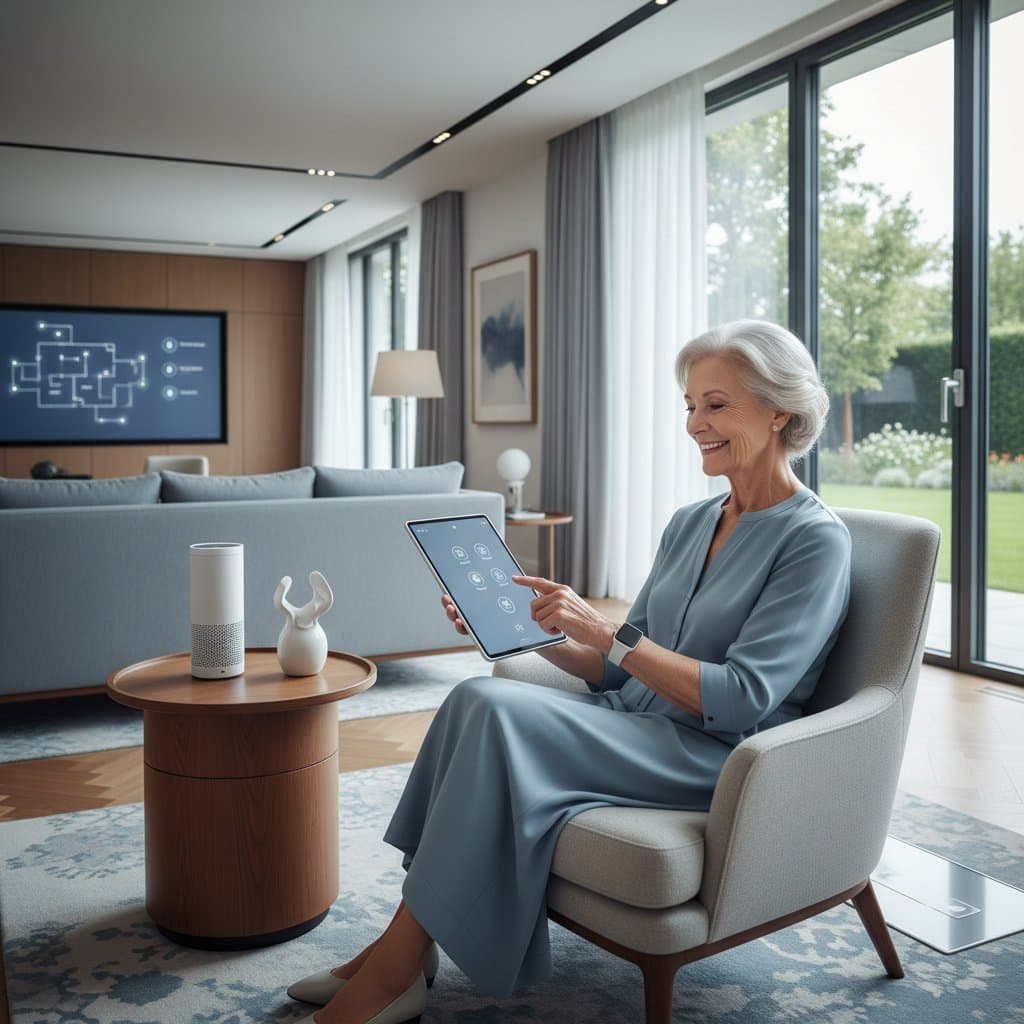
Smart Homes Transform Elderly Care Safely
Imagine your aging parent living comfortably in their home. The lights adjust automatically as evening falls, and subtle sensors keep quiet watch for any signs of trouble. No constant check-ins occur, and no intrusive cameras appear in every corner. Technology provides peace of mind through thoughtful design. This approach represents the heart of modern smart home care for older adults, where independence and safety meet in everyday living.
The Real Challenge of Aging at Home
Many families face a difficult choice. Assisted living offers security, but the costs prove high and the emotional toll significant. Staying home feels familiar and empowering. However, concerns arise about falls, missed medications, or unnoticed health issues. Smart home technology now bridges that gap. With the right setup, families can transform almost any home into a place where aging safely becomes both possible and dignified.
The Smart Home Solution
Smart homes in elder care focus on purpose rather than novelty. They create a living environment that quietly supports daily routines and responds to needs instantly. Fall detection systems, voice-controlled lighting, and medication reminders work in the background. These tools deliver comfort and confidence to users.
Building a Safer, Smarter Home
Consider how to create an intelligent care system that suits your loved one's needs. The following steps outline key components and implementation strategies.
-
Start with Fall Detection and Monitoring
Falls represent one of the biggest risks for older adults. Devices such as the Amazon Halo View, priced around 80 dollars, provide basic activity tracking and movement alerts. For more advanced coverage, the Apple Watch SE, priced around 250 dollars, detects hard falls and automatically calls emergency contacts. A premium option like the UnaliWear Kanega Watch, about 400 dollars, includes 24-hour monitoring without requiring a smartphone. This choice suits seniors who prefer simplicity.
Many fall detection wearables also serve as medication reminders through app integrations. This feature means fewer devices to manage and less confusion for the user. -
Smart Lighting for Safety and Comfort
Poor lighting turns even familiar spaces hazardous. Motion-sensitive bulbs like Philips Hue Motion Sensor Lights, with a starter kit around 60 dollars, brighten hallways during night hours. Mid-range systems such as Lutron Caseta Smart Lighting, around 150 dollars, automate entire rooms based on movement or schedules. High-end installations like Nanoleaf Essentials Smart Bulbs, around 200 dollars for a multi-pack, offer adjustable color temperatures that mimic natural daylight. These support both visibility and mood.
Connect these lights to voice assistants like Alexa or Google Home. Your loved one can then say, "Turn on the kitchen lights," without fumbling for switches. -
Voice Assistants and Smart Displays
Voice control proves life-changing for those with limited mobility. The Amazon Echo Show 8, about 110 dollars, adds a visual layer for family video calls or quick weather checks. The Google Nest Hub, around 100 dollars, displays reminders and health information. Premium models like the Meta Portal Plus, around 250 dollars, auto-adjust camera framing during calls. This makes communication effortless.
These systems also manage smart locks, thermostats, and lights. They create one simple command center for everyday tasks. -
Smart Sensors for Subtle Monitoring
Quiet sensors placed around the home track patterns without invading privacy. Products from Aqara or Eve Motion, starting around 30 dollars each, monitor movement, doors, and temperature changes. If no movement occurs for an unusual length of time, caregivers receive alerts through a mobile app.
Professional caregivers often pair these sensors with a hub like Homey Bridge. This unifies data from multiple brands, reduces false alarms, and improves reliability.
Practical Considerations
Creating a safe smart home requires thoughtful planning. Identify the most vulnerable areas first, such as bathrooms, stairs, and kitchens. Wireless devices install easily, but ensure the Wi-Fi signal reaches every corner. A mesh router system, costing roughly 150 to 300 dollars, eliminates dead zones.
If wiring or electrical work becomes necessary, hire a licensed electrician. Safety always comes first. Battery-powered devices suit renters or temporary setups, while hardwired systems fit long-term homes.
Budget options vary. Build a functional safety network for around 400 to 600 dollars using basic sensors and lighting. A more integrated system with wearables, cameras, and voice control might reach 1,200 to 1,800 dollars. Full-scale professional installations with health data integration can exceed 3,000 dollars. The choice depends on the level of comprehensive monitoring desired.
Why Privacy and Dignity Matter
Technology should enhance independence rather than feel invasive. Avoid unnecessary cameras in private spaces. Use motion, contact, or vibration sensors to detect movement without recording video. Modern systems respect privacy through encrypted data and local processing. Information stays within the home network rather than traveling to the cloud.
Encourage your loved one to participate in setup decisions. When they understand what each device does and why it helps, acceptance grows naturally. This shared approach ensures the technology feels empowering rather than controlling.
Making It Happen
Once the system stands in place, schedule regular checkups like routine home maintenance. Replace batteries, update firmware, and test alerts monthly. Many platforms allow remote diagnostics, so confirm devices function even when miles away.
If professional help proves necessary, connect with vetted installers who specialize in smart home safety for seniors. A qualified expert can fine-tune sensor placement and integrate systems for optimal reliability.
Smart home care adds an invisible layer of protection that supports both families and older adults. It never replaces human attention. Whether pursuing a fully automated living space or a few key upgrades, the goal centers on creating a home that adapts gracefully as needs evolve. Careful planning provides the independence your loved one cherishes and the safety you need to feel at ease.