Smart Appliances Communicate with Utilities to Earn Energy Rewards
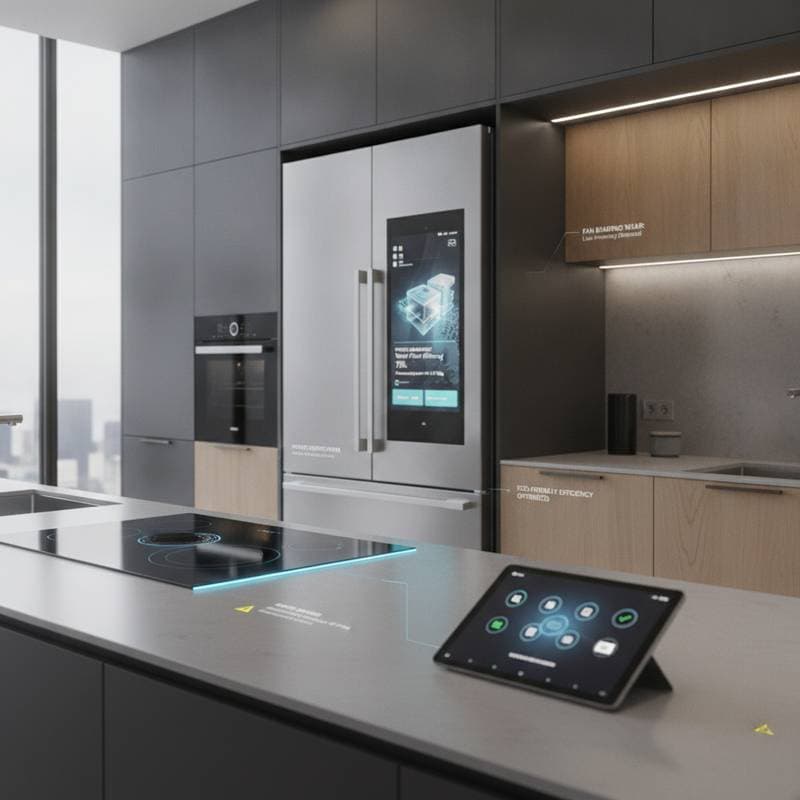
Nearly half of homeowners possess at least one connected appliance, and this figure continues to rise. What began as a convenience has transformed into a strategic element of energy management. Smart homes now function as active participants in the energy system, where devices such as refrigerators, water heaters, and washing machines interact with local utilities to stabilize the grid and generate rewards for users.
This development stems from grid-interactive appliances, which integrate connected devices, real-time data, and incentive programs to foster a flexible energy network. Consumers achieve cost savings while utilities enhance system stability. Although the underlying technology involves complexity, the benefits to daily life prove straightforward and increasingly attainable.
Understanding the Evolving Grid
Electric grids originally designed for unidirectional power flow from generation plants to residences now adapt to new realities. Renewable sources like solar and wind generate electricity variably, while demand surges challenge capacity. Grid-interactive appliances mitigate these fluctuations by automatically modifying operations during periods of grid stress.
Consider a water heater that postpones its heating cycle amid high demand or a refrigerator that briefly halts its compressor when prices peak. Such adjustments often go unnoticed by users, yet their aggregate effect alleviates grid pressure and averts outages. Utilities term this demand response, and smart appliances render it effortless.
Importance of Smart Appliances in Energy Optimization
Earlier demand response initiatives demanded manual intervention, with alerts prompting users to curtail consumption during peaks. Participation rates remained low, and benefits limited. Automation now manages these processes entirely.
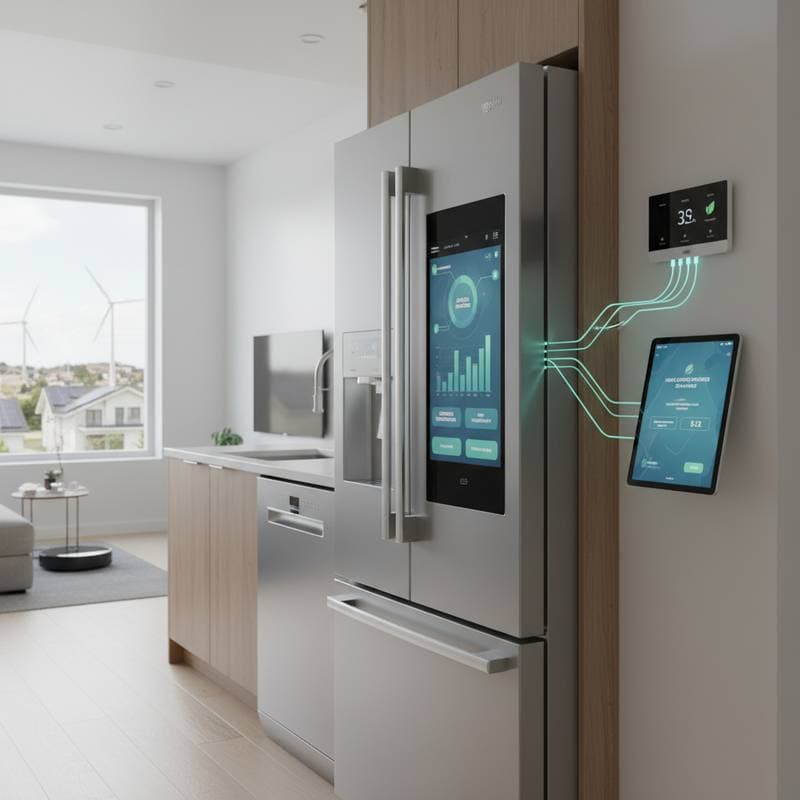
Smart appliances link to the grid via cloud services or energy platforms, processing signals on pricing and demand to self-adjust within comfort parameters. This yields unobtrusive optimization that upholds user satisfaction and grid dependability.
Energy experts project that automated demand response may reduce peak loads by double-digit percentages across regions. Such decreases limit reliance on fossil fuel plants during surges and promote steadier pricing for all.
Mechanics of Appliance-Utility Communication
Secure digital channels, overseen by software platforms, facilitate exchanges between smart appliances and utilities. These convey data on prices, load predictions, and incentives. The appliance controller processes this input and responds accordingly, respecting predefined limits.
Specific examples include:
- A smart thermostat precools a residence ahead of peak pricing, then dials back cooling during the interval.
- A connected washing machine shifts cycles to off-peak times for reduced costs.
- A grid-responsive water heater accumulates hot water preemptively and suspends heating under grid duress.
Users retain oversight via mobile applications or energy dashboards, setting flexibility thresholds and monitoring rewards instantly.
Incentive Structures to Drive Engagement
Utilities and providers roll out programs to boost involvement, offering varied rewards:
- Bill credits for permitting automated modifications.
- Time-of-use rates that discount off-peak consumption.
- Rebates for acquiring grid-interactive devices.
- Points or tokens redeemable for smart home enhancements.
These mechanisms create mutual advantages, compensating users without compromising convenience. Appliances aid grid balance, and participants receive concrete returns.
Manufacturers Integrate Grid Compatibility
Leading brands embed grid-responsive capabilities in recent models. Refrigerators, dishwashers, and HVAC units feature modules that align with utility protocols. The aim: automate energy participation without user effort.
GE Appliances, Whirlpool, and Samsung collaborate with energy firms to pilot responsive devices. Many incorporate the Matter standard for seamless integration across ecosystems.
Practically, a dishwasher selects optimal run times based on user routines and grid status, delivering personalized efficiency with broader impacts.
Advancements in Home Energy Management
Home energy management systems (HEMS) represent the progression, serving as intermediaries between devices and utilities. They orchestrate appliances, solar installations, and batteries for household-level equilibrium.
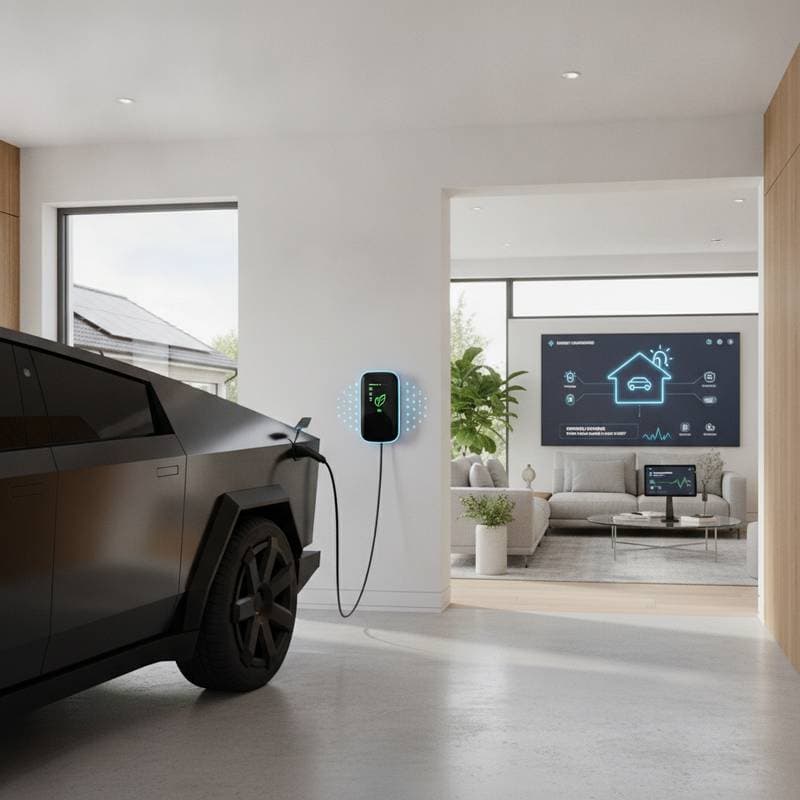
A HEMS could tap home batteries during price spikes or deploy stored solar for daytime operations. It schedules EV charging for economical, low-emission periods. Users gain reduced expenses and detailed consumption insights.
Everyday Benefits of Integrated Technology
This innovation integrates seamlessly into routines, eliminating the need to monitor metrics like kilowatt-hours. Homes self-optimize around preferences and sustainability.
Envision laundry completing overnight at minimal rates, a coffee maker activating with solar output, or air conditioning maintaining comfort efficiently. These interactions elevate smart homes to sustainable ones.
Adopters report heightened energy consciousness from real-time savings data, shifting consumption from mere expense to engaging opportunity.
Addressing Adoption Challenges
Privacy, data exchange, and brand compatibility deter some users, alongside fears of diminished control.
Solutions emphasize transparency: customizable participation, encrypted communications, and anonymized data. Open standards like Matter enhance interoperability, easing multi-brand setups and building trust.
Integration into the Wider Energy Framework
Grid-interactive appliances align with distributed resources such as solar panels, batteries, and EVs, positioning homes as micro-generators. Coordinated, they bolster grid resilience, curb expenses, and hasten renewable adoption.
Utilities evolve into partners, deploying platforms for real-time demand oversight. This synergy forges an energy economy valuing adaptability alongside production.
Case Studies in Collaborative Energy Solutions
Global pilots demonstrate efficacy. Connected water heaters in one area shaved thousands of megawatts from peaks. Smart thermostats in another preserved stability amid weather extremes by fine-tuning temperatures across households.
These initiatives affirm reliability, sustained comfort, and amplified savings. As grid interaction becomes standard, adoption will expand organically.
Financial Implications for Stakeholders
Consumers enjoy direct gains through automation and rewards. Utilities cut infrastructure outlays by easing peak demands. Regulators advance environmental objectives via renewable integration.
Widespread participation promises exponential savings, positioning energy flexibility as a tradable resource for grid support.
Seamless Lifestyle Enhancements
Grid-interactive features blend into connected home expectations, extending responsiveness to energy dynamics.
Homes anticipate habits, charge vehicles opportunely, and export solar during grid needs. Technology recedes, foregrounding ease, economy, and environmental impact.
Neighborhood coordination further stabilizes locales, minimizing emergency measures and uniting participants in shared progress.
Emerging Developments to Monitor
Future innovations leverage machine learning for predictive adjustments and intuitive interfaces revealing savings impacts.
Retailers might pair rewards with purchases; utilities could offer savings-guaranteed plans. Converging home tech and energy services unify experiences.
Enhanced seamlessness will accelerate uptake, magnifying benefits network-wide.
Steps to Implement Grid-Interactive Features
Seek appliances marked as grid-interactive or demand response compatible. Verify utility incentives for devices like thermostats and water heaters. Many provide rebates to offset costs, enabling quick integration for savings and sustainability.