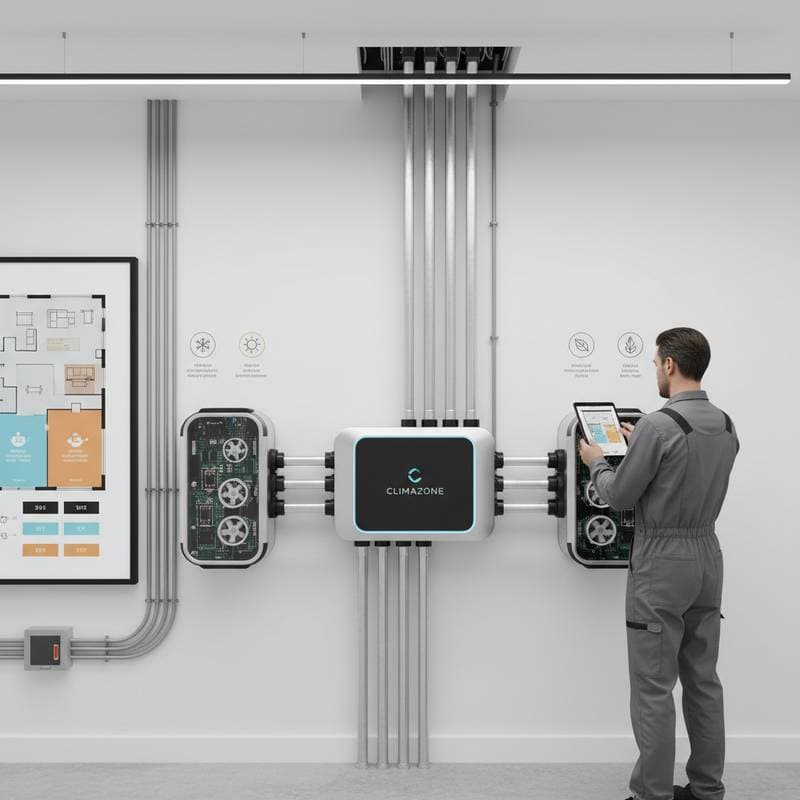
Transition from Whole-Home Thermostats to Individualized Climate Zones
Smart homes evolve from optional features to essential components of modern living, particularly in managing indoor environments. Traditional thermostats, long the central hub for climate regulation, yield to sophisticated alternatives that operate on a room-specific basis. Rather than treating the entire house uniformly, these zones adapt to actual occupancy patterns. This evolution enhances comfort, optimizes efficiency, and aligns with the fluid nature of daily routines.
Limitations of Uniform Climate Regulation
A centralized thermostat located in a central area appears straightforward, yet it often fails to provide even temperatures throughout the home. Bedrooms may remain cool while living areas overheat, leading to discomfort. Moreover, energy dissipates in unoccupied spaces during conditioning cycles. In an era of interconnected households, such shortcomings become evident. Research indicates that energy optimization ranks high among motivations for smart device adoption, with climate systems frequently targeted for initial improvements.
Conventional whole-home thermostats suit basic heating and cooling needs but overlook variations in occupant movement and room-specific thermal properties. They operate without insight into usage dynamics, creating opportunities for targeted solutions. Micro-level control emerges as the response, transforming each area into an autonomous climate domain.
Introduction to Individualized Climate Zones
Room-specific climate management leverages smart sensors, wireless valves, and adaptive algorithms to track occupancy and environmental conditions in real time. Decentralized from a single control point, each zone functions autonomously to maintain balance. Homes thus become intuitive and harmonious spaces.
Compact devices installed per room monitor motion, humidity levels, and temperature fluctuations. Upon detecting presence, the system modulates airflow or heating to align with set preferences. In vacant areas, it shifts to conservation mode. This represents a progression from reactive hallway-based adjustments to presence-aware responses.
Advantages for Comfort and Energy Optimization
Benefits extend past eliminating temperature inconsistencies. Individualized zones combine superior comfort with substantial energy reductions unattainable by standard thermostats. By focusing efforts on active spaces, users cut unnecessary consumption while ensuring ideal conditions in utilized areas. Analyses from smart home experts reveal that occupancy-driven HVAC setups can decrease energy expenses by 15 to 30 percent, varying by home design and habits.
Such systems accommodate diverse household preferences seamlessly. One individual might prefer a cooler sleeping area, while another maintains warmth in a workspace. This eliminates common disputes over settings, empowering personal oversight of personal environments.
Innovations in Targeted Climate Solutions
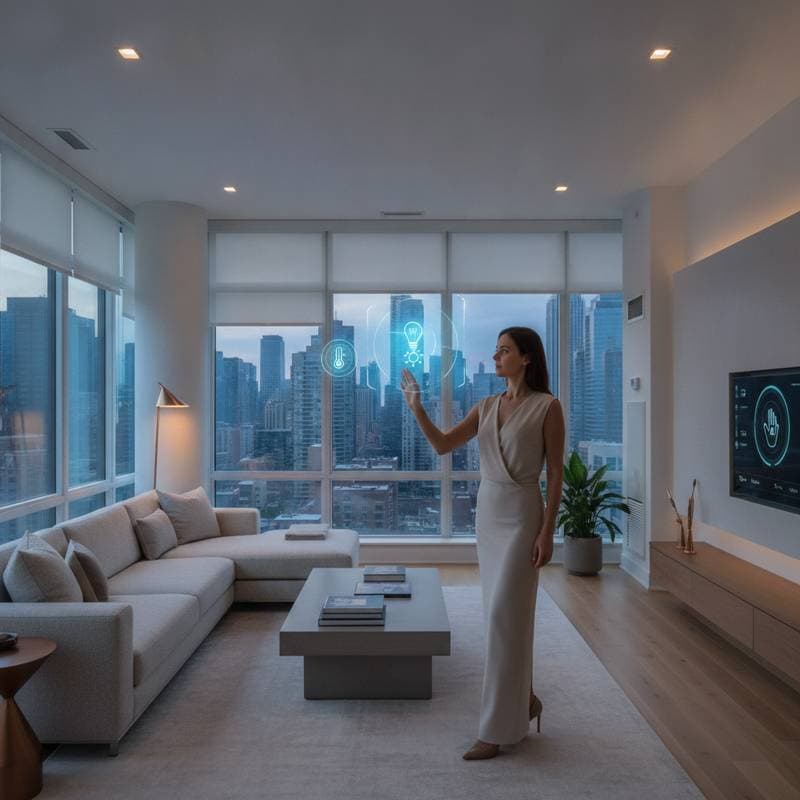
Prominent smart home providers incorporate occupancy-responsive HVAC into broader platforms. Users pair intelligent vents with sensors and voice interfaces, enabling commands like directing adjustments to a specific office without affecting other areas.
Other developments emphasize retrofitting legacy systems using wireless dampers and controllers. These modifications segment duct networks into separate zones, avoiding extensive overhauls. Homeowners upgrade climate precision without full system replacement.
Emerging companies in this field pioneer predictive capabilities. Algorithms study routines to preemptively set temperatures. For example, if mornings routinely begin in the kitchen, the system warms it in advance, creating an welcoming entry upon arrival.
Contributions to Sustainable Practices
Efficiency transcends cost savings; it advances environmental objectives by curbing excess energy demands. Heating and cooling account for over half of typical home energy use. Targeted zones diminish this impact while preserving livability.
With rising integration of renewables, zoning gains added relevance. Systems allocate conditioning based on solar availability or utility pricing schedules. Households achieve greater equilibrium and reduced ecological strain.
Steps to Implement a Zoned System
Adopting room-specific control requires minimal complexity. First, pinpoint priority areas such as bedrooms, workspaces, and communal rooms for independent management. Next, select compatible solutions for your current HVAC infrastructure.
Prioritize features like occupancy sensors, app-based remote access, and integration with existing smart ecosystems. Opt for adaptive learning to refine settings based on patterns, enhancing long-term performance.
Professional assistance may prove necessary for intricate setups, yet returns via reduced bills and elevated quality of life justify the effort. Begin with a consultation to assess compatibility and outline installation.
Embracing Responsive Home Environments
After implementing room-by-room climate control, centralized thermostats appear relics of the past. These zones mirror authentic lifestyles by adapting to presence, schedules, and individual comforts. Residences transform into dynamic, efficient, and authentically intelligent havens.
Future comfort relies not on isolated wall units but on interconnected sensors, adjustable vents, and seamless software orchestration working unobtrusively.