Imagine Waking Up to a Freshly Prepared Breakfast
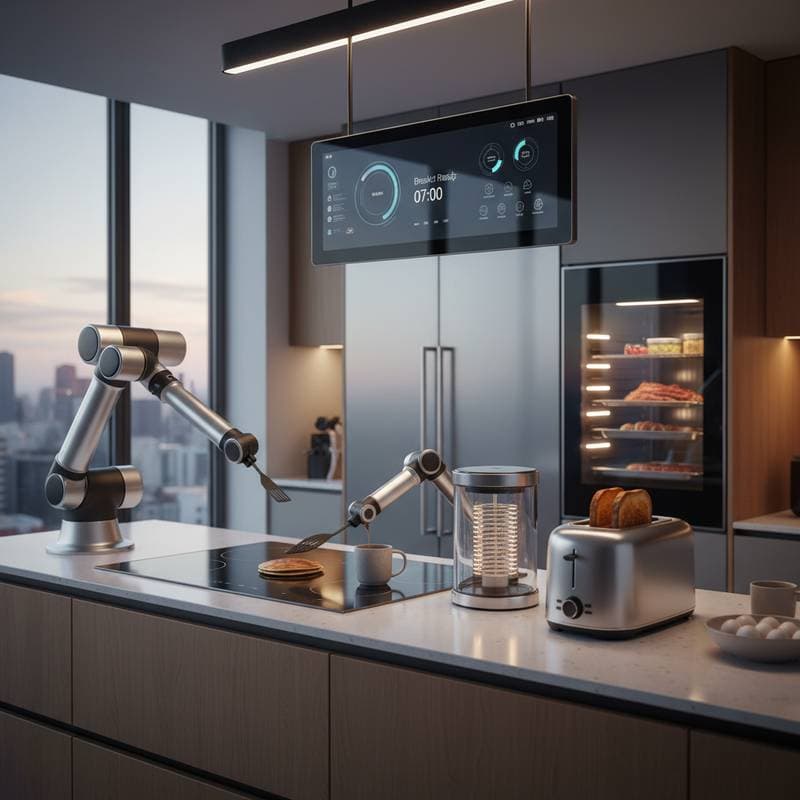
You enter the kitchen with sleep still clouding your vision, and the aroma of cooked eggs or warm oatmeal greets you. No pots simmer on the stove, and the surfaces remain pristine. Your robotic cooking system has completed the morning tasks, including brewing coffee.
This scene, once confined to science fiction, now enters everyday life through advanced smart appliances. Robotic systems elevate kitchen intelligence by preparing meals during off-hours. Users awaken to complete dishes or precisely portioned ingredients ready for final touches.
Automated meal preparation integrates robotic chefs, intelligent ovens, and networked devices. These elements convert standard kitchens into efficient, round-the-clock operations.
Challenges in Contemporary Home Cooking
Individuals appreciate the nutrition and flavor of home-prepared meals, yet daily demands limit preparation time. Extended work hours, family obligations, and rushed schedules hinder tasks like dicing vegetables or monitoring heat levels.
Subscription meal kits offer partial solutions by delivering pre-measured components. Voice-activated ovens simplify execution. However, initial steps such as washing produce, portioning proteins, and blending seasonings demand significant effort. Robotic systems address this core inefficiency.
How Robotic Cooking Systems Transform Preparation
A robotic chef combines mechanical manipulators, artificial intelligence algorithms, and interconnected appliances to manage labor-intensive cooking phases. These systems surpass basic scheduling by executing complex sequences with accuracy.
Consider loading ingredients into a designated storage unit the evening prior. During the night, the system processes items: it slices produce, combines marinades, and programs cooking devices for optimal start times. Mornings yield hot, assembled breakfasts without intervention.
Key Insight on System Functionality
Effective robotic chefs depend on ingredient recognition technology. Devices scan or identify items upon storage, evaluating attributes like ripeness, volume, and origin. This information links to extensive recipe archives, guaranteeing uniform results across preparations.
Such reliability extends from commercial settings to residential use. Professional environments employ similar precision for scalable operations, and home adaptations follow suit.
Essential Elements of Robotic Cooking Systems
Automated meal systems comprise several integrated components that collaborate seamlessly.
-
Intelligent Storage Solutions
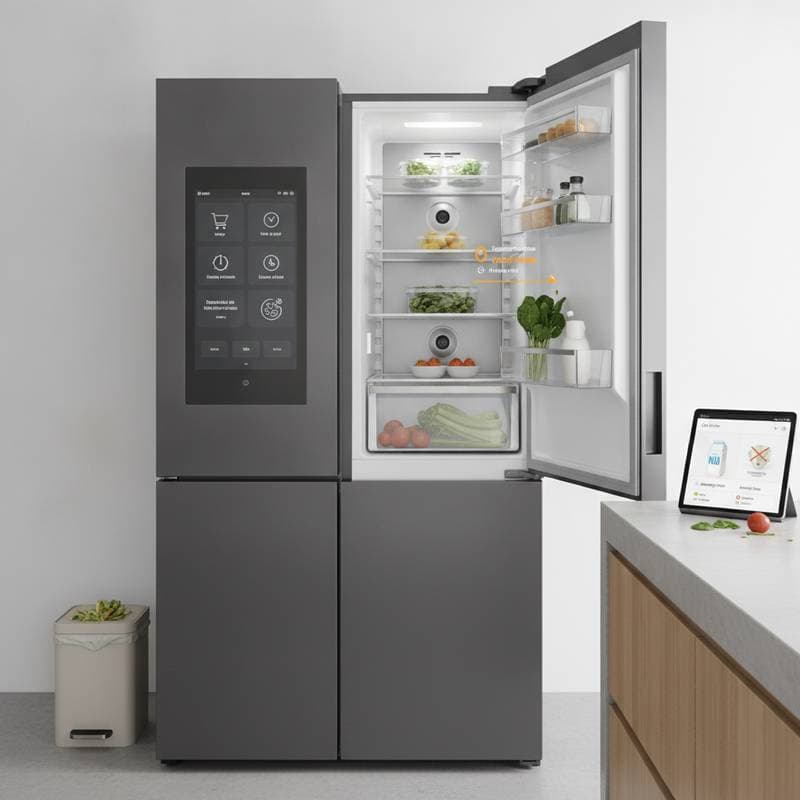
Advanced refrigerators, such as the Samsung Bespoke 4-Door Flex model priced at approximately $3,800, feature embedded cameras and inventory sensors. These units interface with planning software and preparation tools to confirm ingredient availability and condition. -
Mechanical Preparation Units
Core functionality resides in articulated arms and workstations. Moley Robotics offers premium units that replicate manual techniques for mixing, turning, and assembling dishes. Entry-level models begin at $150,000, targeting high-end installations. -
Automated Cooking Devices
Accessible options include the June Oven at $899 or the Tovala Smart Oven at $299. Equipped with visual recognition and environmental monitors, these adjust processes dynamically. Combined with pre-processed elements, they form basic automated stations. -
Adaptive Recipe Software
Intelligence layers enable personalization. The ChefIQ Smart Cooker, available for $199, or the CookingPal Multo at $999, connect to digital libraries. They modify parameters like heat levels and durations according to detected variables.
These parts form a cohesive network that operates independently.
Selecting Systems by Investment Level
Options range from entry-level enhancements to comprehensive installations, allowing gradual adoption.
Entry-Level Configuration (Under $500)
Begin with the Instant Pot Duo Crisp featuring Wi-Fi connectivity at $179, alongside the Tovala Smart Oven at $299. Prepare components in advance and program via mobile interfaces. Results include heated, complete meals upon rising.
Intermediate Integration ($1,000 to $3,000)
Advance to unified platforms like the CookingPal Multo, complemented by an inventory-aware refrigerator. This unit performs multiple functions including mincing, blending, and heating, followed by automated sanitation.
Advanced Installation ($10,000 and Above)
The Moley Robotic Kitchen sets the benchmark for full automation. It deploys paired manipulators, accesses vast culinary data, and incorporates hygiene protocols. Though costly, it redefines kitchen dynamics as professional-grade facilities.
Key Factors for Successful Implementation
1. Installation Space and Electrical Needs
Allocate unobstructed surfaces for units and verify stable power sources. Larger configurations may necessitate specialized wiring; engage qualified professionals for assessments.
2. Upkeep and Hygiene Protocols
Many devices offer automated rinse cycles, yet mechanical elements demand periodic inspection. Prioritize models with detachable, machine-washable components.
3. Supply Chain Management
Optimal performance requires timely, quality inputs. Integrate subscription services for standardized portions that align with system capabilities.
4. Digital Reliability and Support
Select platforms with robust online ecosystems and regular enhancements. Verify vendor responsiveness through forums and service records.
5. Ongoing Component Costs
Elements like ventilation units, detectors, and coils wear over time. Allocate 5 to 10 percent of initial expenditure annually for replacements.
Overlooked Benefits: Precision and Security
Robotic systems enhance food handling protocols by monitoring thermal profiles and durations meticulously. This minimizes hazards associated with incomplete cooking or degradation.
Exact measurements support nutritional planning. Users achieve balanced intakes effortlessly, while households benefit from standardized servings.
Professional Perspective
Experienced culinarians program systems to duplicate complex recipes accurately. High-volume establishments leverage this for uniform quality across outlets, a practice now accessible domestically.
Adapting Daily Routines
Kitchens that operate autonomously reshape perceptions of productivity. Mornings proceed unhurried, and evening preparations condense significantly. Beyond ease, this frees hours previously spent on routine tasks.
Systems accommodate diverse preferences, from grilled proteins to grain-based dishes or vegetable medleys. Technology evolves from experimental to essential, particularly for time-constrained groups prioritizing quality nutrition.
Steps to Integrate Automated Preparation
Define objectives first: seek total hands-off operation or targeted enhancements like timed heating?
-
Evaluate Existing Equipment
Identify compatible smart features in current tools for expansion. -
Establish a Control Center
Adopt a interface like the Google Nest Hub Max or Amazon Echo Show 15 for centralized recipe and timer management. -
Incorporate Initial Automation
Introduce a single cooking appliance, then incorporate preparation aids progressively. -
Conduct Trial Operations
Test with straightforward overnight recipes, such as prepared grains or seasoned proteins. -
Optimize Configurations
Fine-tune quantities, maintenance schedules, and sequences to match personal needs.
For expert guidance, explore certified specialists through dedicated platforms to ensure secure deployment.
Experiencing an Autonomous Kitchen
Integration yields tangible improvements: serene starts, superior flavors, simplified tidying, and dependable performance. Devices evolve into collaborative assets, reducing oversight demands.
The essence of culinary enjoyment persists through selections of components and styles. Labor-intensive aspects fade, allowing focus on savoring outcomes.
Frequently Asked Questions
Are robotic cooking systems safe for unattended operation?
Yes, provided they adhere to established safety certifications. Maintain adequate airflow and clear surrounding areas of combustibles.
How do these systems handle dietary restrictions?
Software platforms allow customization for allergies, calorie limits, or preferences, adjusting recipes dynamically based on input profiles.
What is the typical lifespan of robotic components?
With proper care, core units last 5 to 10 years, though sensors and blades may require replacement every 1 to 2 years.