Smart Appliances Prepare Meals Without Recipes
Smart homes progress from connected setups to environments that anticipate needs and operate independently. In the kitchen, this evolution shines through appliances that cook without recipes, shifting meal preparation from hands-on labor to automated precision. These systems analyze habits, detect ingredients, and adjust to align with individual tastes and health objectives.
Breaking Free from Recipe Constraints
Earlier smart cooking tools relied on programmed recipes to direct users step by step. Current models incorporate sensors, image recognition, and machine learning to interpret user preferences directly. Devices scan contents, compute ideal durations, and fine-tune heat levels without external guidance.
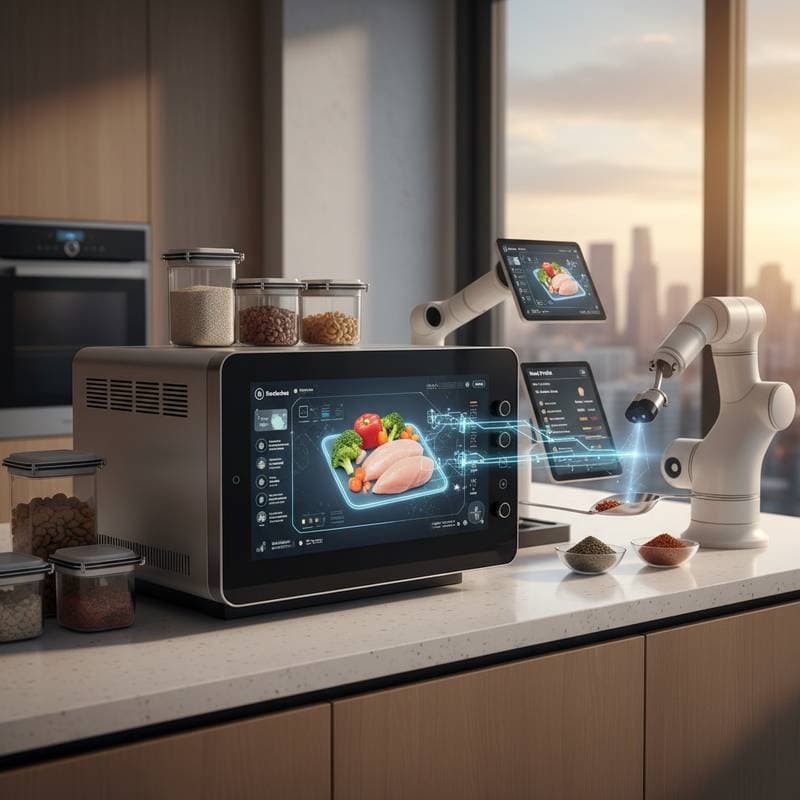
This innovation streamlines routines and eases mental load. After a demanding day, cooking resembles a puzzle; these tools eliminate such hurdles. Consider loading an oven with chicken, assorted vegetables, and rice: it identifies each item, selects optimal parameters, and notifies completion.
Leading manufacturers such as Samsung, LG, and GE integrate these features. Certain ovens use internal cameras to spot foods and suggest methods based on stored profiles. Advanced versions apply predictive algorithms, evolving outputs from past interactions to match evolving preferences.
Intelligence That Adapts Over Time
Adaptation defines the core strength of these systems. They gather insights from each use, treating every dish as an opportunity to improve. Preferences for al dente pasta or lightly charred greens prompt automatic refinements in subsequent sessions.
This mirrors recommendation engines in media services, yet yields tangible, flavorful results. Over time, cooking transforms into a customized process that anticipates desires. Research indicates consumers seek such tailored tech, with studies revealing increased demand for devices that evolve with users rather than execute rigid directives.
In practice, this yields reliable outcomes with minimal oversight, fostering confidence in automated meal creation.
Recognizing Ingredients with Precision
Ingredient detection forms the foundation of autonomous cooking. Integrated cameras, weight sensors, and thermometers collaborate to catalog contents accurately. The system then consults extensive databases of culinary data to establish cooking guidelines.
Devices assess quality and quantities as well. An oven might note a slender salmon portion and shorten exposure accordingly. A multi-cooker could sense a dense sauce and introduce vapor to achieve ideal consistency.
Such functions rely on robust sensors and algorithms trained across diverse preparations. As datasets grow, capabilities extend to intricate recipes, enabling unsupervised handling of layered dishes like casseroles or stir-fries.
Seamless Voice and Visual Controls
Voice integration elevates kitchen interactions. Users issue commands like "Prepare my standard evening meal," prompting the device to recall and apply saved settings effortlessly.
Visual elements boost oversight. Displays stream real-time views from embedded cameras, while app connections allow remote monitoring. This visibility reassures users wary of full delegation, building reliance through observable processes.
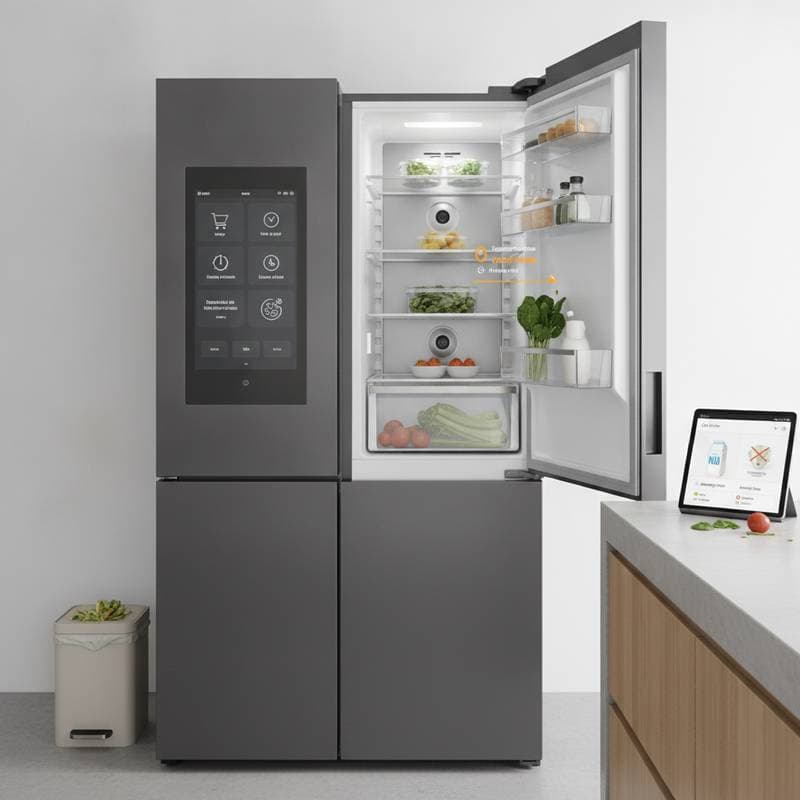
Ecosystem connectivity amplifies utility. Ovens sync with refrigerators to inventory supplies or with fitness trackers to align meals with wellness targets, creating a unified smart home network.
Evolving from Assistant to Autonomous Leader
Initial smart tools served as recipe aides, streamlining user efforts. Newer iterations assume primary control, directing operations comprehensively while humans contribute selectively.
Benefits include fewer mishaps, preserved nutrients, and less spoilage. Novices gain access to sophisticated techniques, experimenting with pairings guided by data-driven suggestions.
For time-strapped families, automation redefines evenings. Devices review pantry stocks, honor restrictions, and execute plans during commutes or downtime, bridging concept and everyday use.
Promoting Efficiency and Environmental Gains
Beyond ease, these appliances enhance sustainability. They regulate power draw, optimizing cycles to conserve resources during multi-item sessions via zoned heating.
Freshness tracking inspires timely usage, curbing discard rates. Algorithms prioritize nearing-expiry items, aligning with global efforts to address waste.
Optimized operations trim bills as well. Widespread use promises community-wide reductions in energy demands, supporting eco-friendly living.
Rising Acceptance and Industry Outlook
Consumers embrace these tools for their tangible advantages. Data from analysts shows doubled interest in kitchen automation within years, extending from basics like lights to core functions.
Sales of integrated ovens surge, driven by desires for simplicity and uniformity. Projections position them as fixtures in modern builds, blending savings with reduced planning burdens.
While initial prices pose barriers, scaling production lowers thresholds, repositioning devices as practical upgrades rather than indulgences.
Ensuring Safety in Hands-Off Operations
Safety concerns dominate early adoption discussions. Developers counter with layered safeguards, including duplicate detectors for anomalies.
Systems vigilantly measure heat, detect fumes, and gauge humidity. Deviations trigger halts or notifications, often surpassing manual vigilance where lapses occur.
Transparency fosters assurance. Access to session records explains decisions, demystifying automation and encouraging independent use.
Reshaping Daily Routines and Connections
Autonomous cooking alters broader habits around nourishment. With mechanics handled, focus shifts to enjoyment and innovation.
Hosting simplifies as timing syncs flawlessly. Shared meals gain presence, unburdened by stove duties.
Health integration adds value. Ingredient oversight supports dietary balance, offering nudges toward nutritious choices and mindful servings, positioning the kitchen as an ally in well-being.
Embracing a Future of Intuitive Meals
Autonomous smart cooking advances home tech by merging ease, customization, and eco-consciousness into fluid experiences. Ongoing refinements sharpen attunement to personal rhythms.
This human-focused design preserves cooking's essence while easing drudgery. For those enhancing spaces, such investments yield transformed, efficient lifestyles where intelligence enlivens the heart of the home.