Affordable Robotic Arms Deliver Restaurant-Quality Meals at Home for $500
Smart kitchens evolve rapidly with innovations that once seemed distant. Robotic arms capable of preparing restaurant-quality meals now cost approximately $500 and fit into standard home setups. Previously limited to upscale restaurants or laboratories, these devices enter everyday households, redefining cooking, dining, and routine management.
Picture arriving home after a demanding day, selecting a recipe via smartphone, and observing robotic arms prepare flawless pasta as relaxation begins. This scenario moves from concept to reality, altering domestic routines meal by meal.
Emergence of the Accessible Robotic Chef
Automated cooking systems previously demanded thousands of dollars and specialized setups. Mechanical arms for stirring, flipping, and plating appeared unattainable for typical homes. Recent developments introduce consumer-oriented robotic arms at $500, integrating automation into routine kitchens.
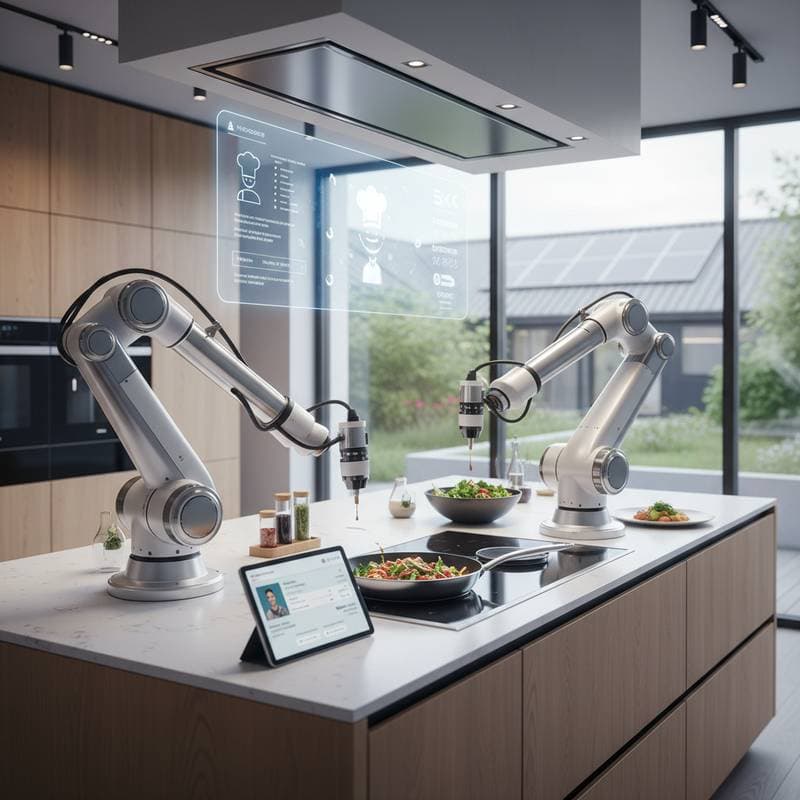
These units employ camera-based vision, motion sensors, and preloaded recipes to replicate human cooking actions. Certain models adapt to user habits, modifying seasonings or durations according to tastes. Declining component prices and versatile software propel this technology toward widespread accessibility.
Market research indicates growing consumer enthusiasm. Polls reveal households embrace kitchen robotics when costs align with appliances such as blenders or coffee makers. Positioned at $500, the robotic arm represents a feasible enhancement rather than an extravagance.
Capabilities of Modern Robotic Cooking Arms
Advanced robotic arms exceed simple stirring tasks. They sauté vegetables, flip pancakes, simmer sauces, and arrange plates with precision. Modular attachments accommodate diverse ingredient forms and volumes. Cloud-hosted recipe collections provide access to numerous chef-developed dishes.
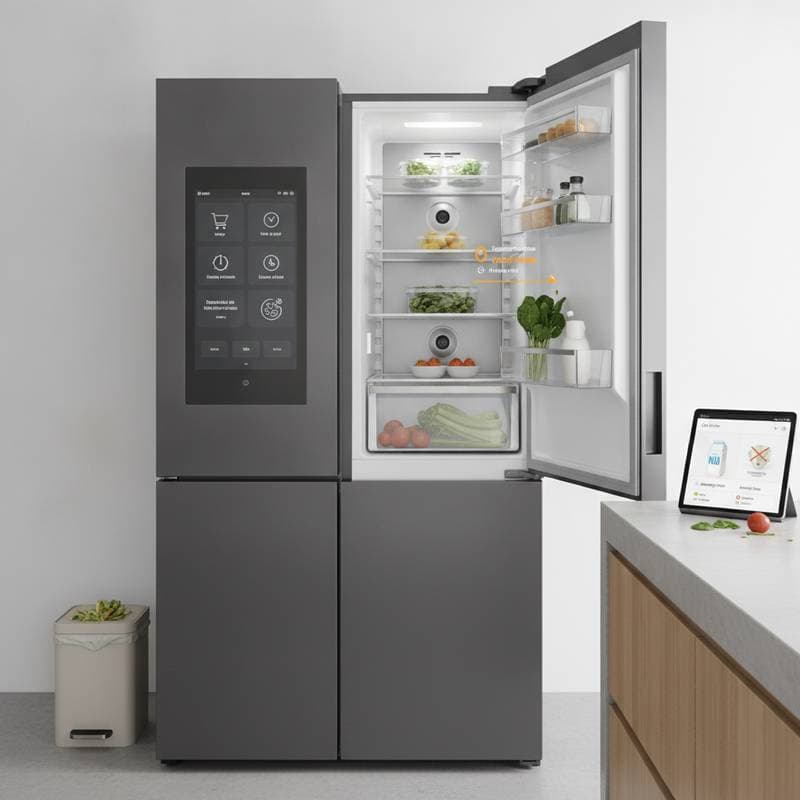
Operation occurs through voice commands or mobile applications for ease. A directive like "Initiate dinner" prompts the device to commence the chosen recipe. Integrated sensors monitor heat levels and consistencies to achieve uniform results. Compatibility with intelligent refrigerators verifies ingredient stocks prior to execution.
Such connectivity elevates the $500 robotic arm beyond mere machinery. It functions within a cohesive network linking kitchen appliances for streamlined efficiency.
Impacts on Daily Routines
Robotic cooks offer practical advantages surpassing novelty. They resolve key challenges including time constraints, skill gaps, and result consistency. Individuals seeking nutritious meals often face difficulties in daily preparation from raw components. Recipes demanding exact timing or methods intimidate many. Robotic intervention eliminates these obstacles.
Busy households benefit as dinner preparation launches remotely. Seniors or those with limited mobility gain autonomy while maintaining dietary quality. Technology aficionados experience delight in automating mundane chores.
Overall, these devices alleviate stress. Meal planning burdens compete with other duties, taxing mental resources. Delegating tasks to dependable systems reshapes household dynamics.
Factors Driving Affordability
Achieving the $500 threshold stems from multiple advancements. Actuators, sensors, and compact motors decrease in cost through widespread production in sectors like drones and assembly lines. Progress in visual recognition and user-friendly programming simplifies robot training for intricate operations.
Open-source software operates on conventional hardware, bypassing costly custom solutions. Wireless updates enhance functionality periodically. Enhanced power management lowers operational expenses compared to prior models.
These elements yield sophisticated yet budget-friendly products suitable for ordinary homes.
Practical Implementations in Home Settings
Innovative companies market or prototype compact robotic cooking arms. One provider supplies a countertop model compatible with existing pots and pans, supporting over fifty recipes. Another incorporates the arm into a multifunctional station featuring induction heating and visual monitoring. Initial users describe installation as straightforward, typically under thirty minutes.
Designs suit conventional kitchen spaces without alterations. They assist human efforts rather than supplanting them fully. The arm manages ongoing tasks like mixing, freeing focus for final touches or flavor adjustments. This collaboration merges creative input with reliable execution.
Integrating Automation with Human Elements
Automation in cooking raises questions about diminishing personal involvement. Meals carry emotional weight, and the preparation process holds appeal for many. Contemporary robotic arms address this through customizable settings. Users oversee core functions while tailoring tastes, layouts, or accents.
Certain systems log modifications to refine future outputs. Gradually, the device evolves into a tailored assistant mirroring user preferences. This harmony preserves warmth amid mechanical aid.
Remaining Obstacles
Excitement surrounds robotic arms, yet adoption hurdles persist. Maintenance poses difficulties in greasy or steamy environments. Producers introduce removable parts and protective sheaths, though enduring reliability requires further validation.
Adapting recipes demands effort, as not all techniques suit automated replication. Collaborations with culinary experts yield optimized instructions emphasizing repeatable steps.
Safety builds confidence, particularly with heat and tools involved. Standard features include certifications, safeguards for children, and quick halt mechanisms.
Evolution of Connected Kitchen Systems
Robotic arms integrate into expansive smart kitchen networks. Ovens, fridges, and washers already connect intelligently; the cooking robot finalizes this loop. Envision a refrigerator inventorying supplies, recommending dishes, and activating the arm seamlessly.
Universal protocols enable cross-device communication, regardless of manufacturer. The arm synchronizes with lights, exhausts, or ambient controls, creating an adaptive environment attuned to routines.
Pathways to Widespread Use
Initial interest sparks from intrigue, but longevity hinges on reliability and benefits. Research highlights enthusiasm for tools enhancing efficiency or wellness. Robotic cooking aligns perfectly, with $500 pricing supporting practical decisions.
Peer sharing via videos of automated gourmet preparations fuels momentum. Once marginal, smart devices now dominate homes. Kitchen automation pursues this path.
Sustainability and Broader Implications
Kitchen automation fosters eco-friendly practices. Precise measurements minimize waste, and sensors prevent excess cooking. Linkages to inventory trackers prompt timely ingredient use, aiding budgets and reducing spoilage.
Economically, these tools shift focus from drudgery to enjoyment in food-related activities. Opportunities emerge in services like recipe subscriptions or communal robotic facilities.
Incorporating a Robotic Assistant into Routines
Upon setup, the robotic arm integrates smoothly. It augments rather than overtakes manual cooking. Weekday meals automate effortlessly, while leisurely brunches remain hands-on. Familiarity grows with its operations, much like any utensil.