Battery Backups Replace Noisy Generators in Smart Homes
The Shift from Generators to Battery Storage
Homeowners once relied on gasoline-powered generators during power outages. These devices provided essential backup but came with significant drawbacks. Noise pollution disrupted neighborhoods, fuel storage posed safety risks, and maintenance demands added ongoing expenses.
Battery backups address these issues effectively. Systems like those from Tesla or Enphase store electricity in large lithium-ion units, delivering silent and reliable power. This transition aligns with the rise of smart homes, where seamless energy management enhances daily life.
Challenges with Traditional Generators
Generators require regular refueling, which becomes impractical during extended blackouts. Users must store flammable fuel, increasing the chance of accidents or spills. Operating costs rise with fluctuating gasoline prices, and emissions contribute to environmental concerns.
In urban settings, noise levels often exceed local regulations, leading to complaints from neighbors. Portable models demand manual setup, while standby units involve complex installations. These factors make generators less suitable for modern households seeking convenience and sustainability.
Advantages of Home Battery Backups
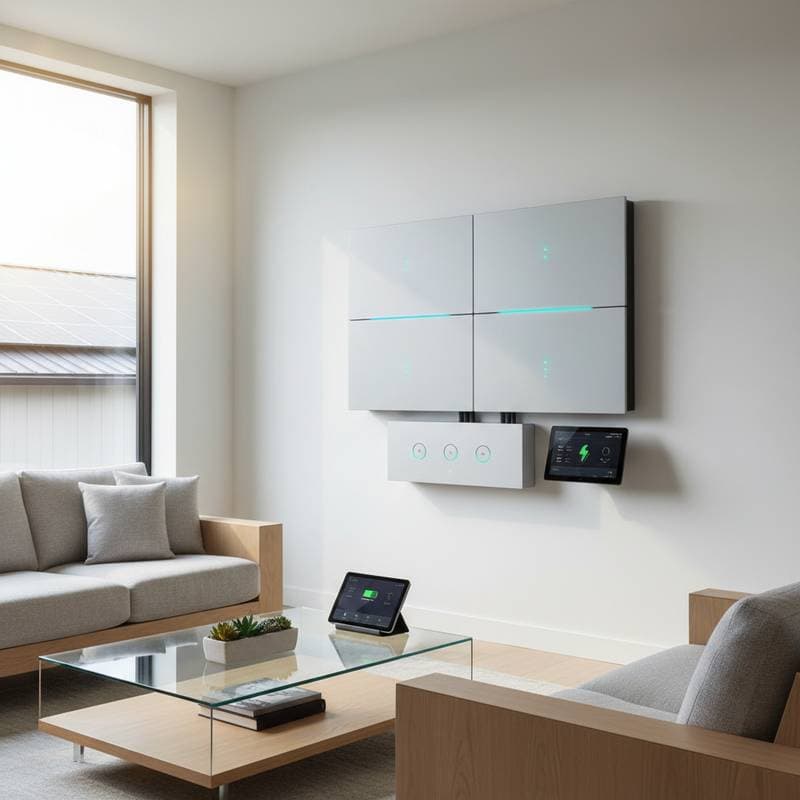
Battery systems operate quietly, producing no emissions during use. They integrate directly with home electrical panels, activating automatically when the grid fails. Capacity ranges from 5 to 13 kilowatt-hours in popular models, sufficient for essential appliances over several hours or days.
Users gain energy independence by pairing batteries with solar panels. Excess daytime generation charges the system, reducing reliance on utility power. This setup lowers monthly bills and provides protection against rising electricity rates.
Integration with Smart Home Ecosystems
Smart homes benefit from battery backups through app-based control. Homeowners monitor energy usage, adjust settings, and receive outage alerts via smartphones. Compatibility with platforms like Google Home or Amazon Alexa enables voice commands for power management.
Advanced features include load shedding, which prioritizes critical devices such as refrigerators or medical equipment. Some systems optimize charging during off-peak hours to minimize costs. This level of connectivity turns energy storage into an intelligent component of daily routines.
Cost Savings and Financial Incentives
Initial installation costs for battery backups range from 10,000 to 15,000 dollars, depending on capacity and brand. However, long-term savings offset this investment. By storing solar energy, households avoid peak-time rates, potentially saving hundreds annually.
Government incentives accelerate payback periods. The federal solar tax credit covers 30 percent of costs for qualified systems. State rebates and utility programs further reduce expenses, making adoption accessible to more families.
Solar Pairing for Enhanced Resilience
Solar panels generate clean power, but production halts at night or during cloudy weather. Batteries bridge this gap by storing surplus energy for later use. A typical setup includes 10 to 20 panels paired with a 10-kilowatt-hour battery.
During outages, the system islands from the grid, powering the home independently. This resilience proves vital in regions prone to storms or wildfires. Maintenance remains minimal, with warranties spanning 10 years or more.
Selecting the Right Battery System
Assess household energy needs first. Calculate daily consumption by reviewing utility bills, focusing on peak usage times. Essential loads like lighting and heating require at least 5 kilowatt-hours of storage.
Consider scalability for future expansion. Modular designs allow adding units as needs grow. Evaluate brands based on efficiency ratings, typically 90 percent or higher, and cycle life exceeding 5,000 charges.
- Review space requirements; wall-mounted units save floor area.
- Check compatibility with existing solar if applicable.
- Consult certified installers for site assessments.
Installation and Maintenance Process
Professional installation ensures safety and compliance with codes. Electricians connect the battery to the main panel and configure smart features. The process takes one to two days, with minimal disruption to the home.
Ongoing maintenance involves annual inspections for firmware updates and connections. Most systems include self-diagnostics to alert owners of issues. Avoid extreme temperatures to preserve battery health.
The Future of Home Energy Independence
Battery technology advances rapidly, with costs declining 15 percent yearly. Newer models incorporate longer-lasting chemistries and faster charging. As grids face increasing strain from electrification, backups become essential for reliability.
Households adopting these systems experience greater control over energy. Savings accumulate, resilience strengthens, and environmental impact decreases. This evolution positions battery storage as a cornerstone of sustainable living.