Smart Fridges Auto-Ordering Your Groceries Effortlessly
Nearly every kitchen contains a refrigerator, yet few homeowners consider it intelligent. This perspective shifts rapidly with the latest smart fridges. These devices extend beyond cooling food; they function as digital assistants that monitor groceries, track expiration dates, and place automatic reorders. The concept of a self-restocking fridge, once confined to science fiction, now integrates into everyday connected homes.
Smart homes evolve from optional features to essential systems, with the kitchen as the focal point. Users already employ voice assistants for tasks like setting timers or controlling lights. The advancement lies in appliances that predict requirements without prompts. Smart refrigerators pioneer this change through sensors, cameras, and links to grocery services, simplifying routines and enhancing efficiency.
The Rise of Intelligent Refrigeration
Refrigerators remained largely unchanged for decades, with updates limited to digital displays or improved insulation. Connected ecosystems now position the fridge as a kitchen management center. Premium models include interior cameras for remote inventory checks during shopping trips. Additional capabilities encompass recipe suggestions based on available items and AI-driven analysis of consumption patterns to forecast shortages.
Surveys among smart appliance owners highlight convenience and waste reduction as primary motivations for adoption. Shoppers seek to eliminate guesswork in purchasing and avoid duplicate buys. Automation aligns with demands for sustainable practices and optimized household operations.
How Auto-Ordering Works
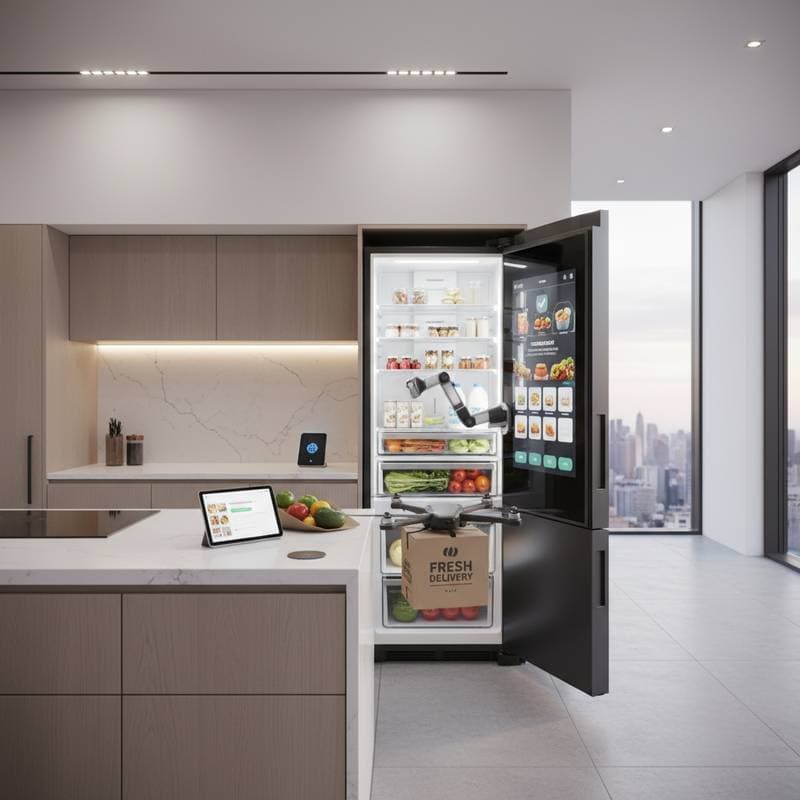
Auto-ordering relies on precise data collection. Fridges employ cameras, weight sensors, and barcode readers to identify contents and monitor depletion rates. Upon reaching predefined levels or expiration points, the device adds items to a digital list or initiates reorders via online retailers. Notifications prompt users to review and confirm orders, allowing modifications as needed.
Integration with grocery platforms proves essential. Certain models link directly to delivery services for seamless restocking of staples like milk, eggs, or fresh produce. Others collaborate with voice assistants to compare prices across stores or select optimal delivery slots. As usage patterns emerge, the fridge adapts to preferences, such as preferred brands or serving sizes, for increasingly accurate orders.
This process eliminates repetitive tasks. Homeowners bypass manual list-making or app navigation. The fridge maintains oversight of household supplies, ensuring constant availability of necessities.
Why This Matters for Everyday Living
Auto-ordering delivers benefits that extend past mere ease. It reshapes meal planning, budgeting, and health management. Picture a fridge stocked with fresh, organized items aligned to weekly plans, free from overlooked remnants or absent components during meal preparation.
Waste reduction stands out as a key advantage. Household food waste contributes significantly to environmental issues. By monitoring purchases and usage frequency, smart fridges foster intentional buying. Alerts for nearing expirations or recipe ideas utilizing soon-to-spoil items support both financial savings and ecological responsibility.
Families gain substantial support. Parents trust automatic replenishment for child essentials like milk or snacks. Professionals return to homes where the fridge anticipates dinner needs. This reliability provides tangible relief in demanding schedules.
Real-World Examples of Auto-Ordering in Action
Leading appliance manufacturers advance this technology into practical use. Select refrigerators embed ordering interfaces that synchronize with major retailers for direct purchases. Integration with voice systems enables commands such as requesting more orange juice to execute buys effortlessly.
One company deploys a camera system recognizing most inserted items, updating a companion app with real-time pantry details. Another model connects to recipe libraries, proposing meals from current stock and procuring absent ingredients. These developments establish smart fridges as core kitchen infrastructure.
Emerging brands participate via software alliances. Third-party apps, available through subscriptions, bridge standard smart fridges to delivery networks. Such options democratize access, extending auto-ordering to non-premium devices and diverse users seeking streamlined routines.
Addressing Privacy and Control Concerns
Automation raises valid questions about data privacy and user autonomy. Tracking purchases may seem overly invasive. Manufacturers respond with user-centric designs that prioritize consent. Orders require explicit approval, and data handling often involves anonymization to safeguard personal details.
Transparency enhances user confidence. Interfaces display stored information and its applications clearly. Options for manual interventions allow disabling tracking while retaining features like alerts or suggestions. Balancing utility and oversight drives ongoing refinements.
Security measures evolve alongside connectivity. Devices incorporate encryption and routine updates to prevent breaches. These safeguards foster reliability, promoting broader acceptance of networked kitchen tools.
The Role of Artificial Intelligence
Artificial intelligence powers the predictive elements of grocery ordering. Algorithms analyze habits to improve accuracy over time. For instance, weekly yogurt purchases trigger timely reorders. Brand changes prompt seamless adjustments without user intervention.
This foresight distinguishes advanced fridges. They proactively address needs rather than react to commands. Evolving AI suggests nutritious alternatives or flags dietary incompatibilities, personalizing the experience. The aim centers on intuitive, adaptive grocery oversight.
Integration with the Broader Smart Home
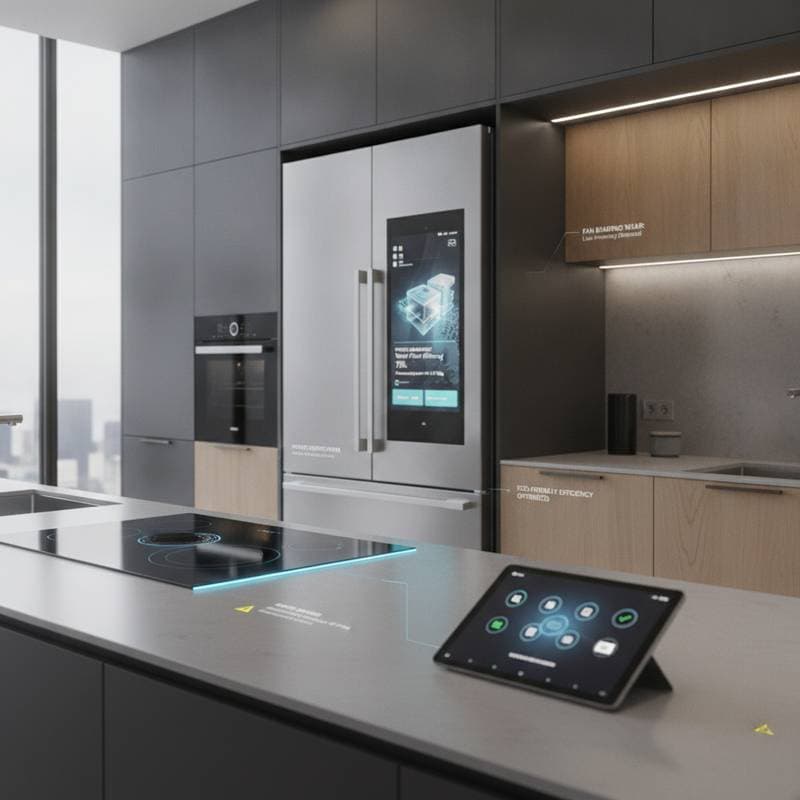
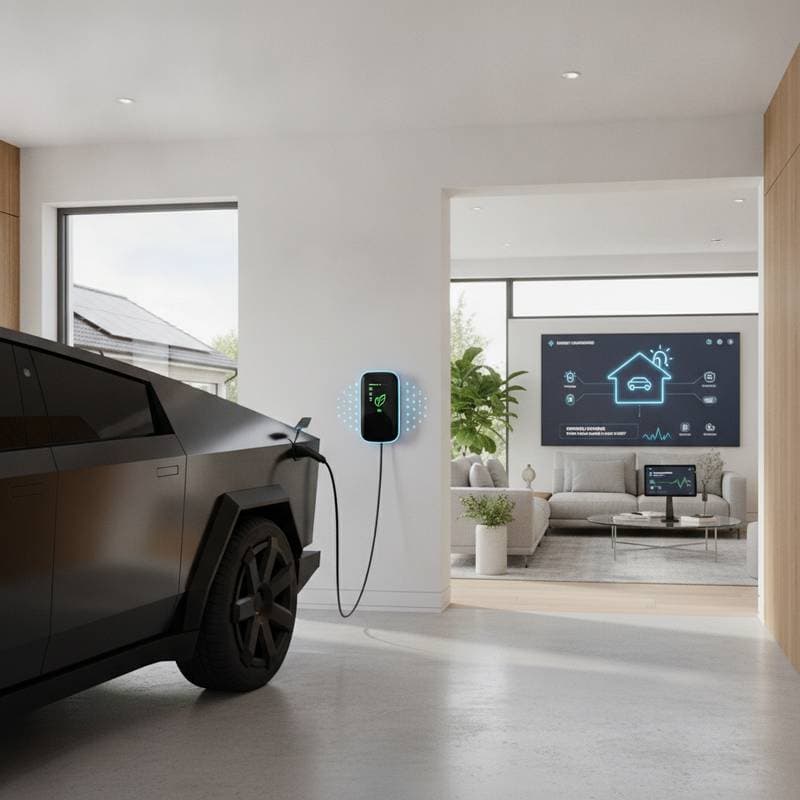
Smart fridges integrate within expansive ecosystems for unified functionality. They alert displays about incoming deliveries or update meal apps with new arrivals. Coordination with ovens might initiate preheating upon recipe starts.
Such connectivity characterizes progressive smart living. Devices form interconnected networks that anticipate and adapt. The kitchen emerges as a responsive hub, streamlining daily activities through collective appliance intelligence.
Implementing Auto-Ordering in Your Kitchen
Prospective buyers should evaluate compatibility with existing grocery services or assistants. Prioritize models offering customizable reorder frequencies for tailored control. Begin with basics like dairy or vegetables, then scale to comprehensive lists.
Utilize apps for consumption analytics to inform smarter choices and minimize waste. The system integrates gradually into habits, evolving the fridge into a collaborative tool. Automatic grocery management advances toward seamless domestic efficiency, conserving time, resources, and effort while elevating home intelligence.