Bringing Restaurant-Quality Meals to Your Kitchen
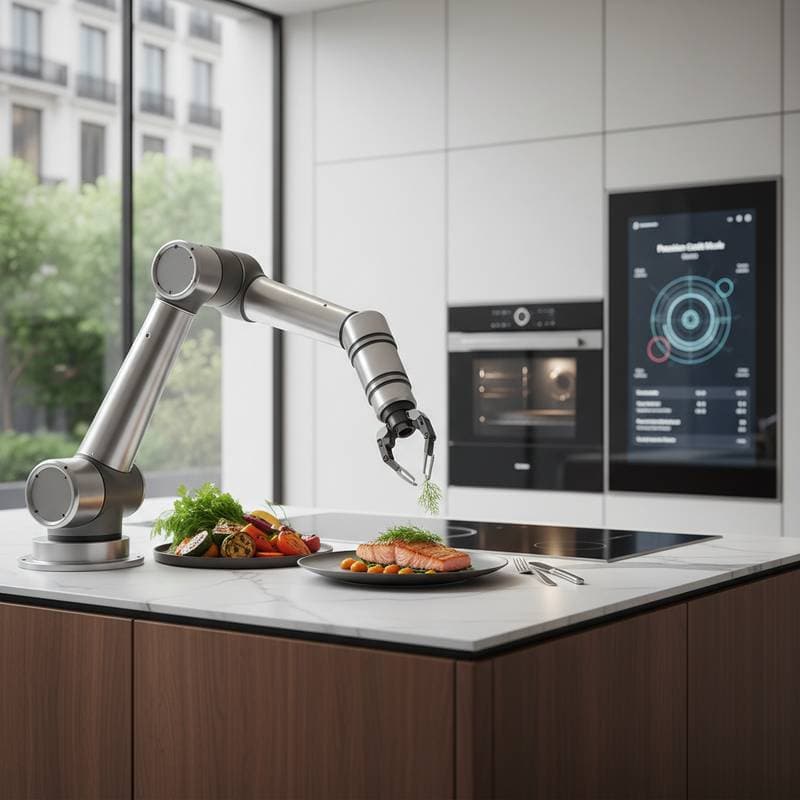
Smart homes continue to advance rapidly, and the kitchen stands at the forefront of this transformation. Tasks that once demanded hours of preparation, such as chopping vegetables, stirring sauces, and monitoring cooking times, now fall to robotic arms or intelligent cooking stations. Robot chefs emerge from the realm of science fiction to integrate into daily routines, delivering meals of professional caliber without delays or cleanup. These innovations merge advanced sensors, exact temperature regulation, and automated recipes to redefine food preparation. The outcome extends beyond mere cooking; the kitchen evolves into a space that anticipates needs and adapts to user patterns.
The concept of a robotic dinner preparer may appear luxurious, but it aligns with the rising preference for efficiency and tailored experiences. Research indicates that a significant portion of homeowners now prioritize intelligent appliances to streamline household tasks, ranging from programmable coffee brewers to networked ovens. The progression to a device capable of orchestrating an entire meal represents a logical advancement in this trend.
This article examines the ways robotic chefs reshape domestic culinary practices, the core technologies that enable them, and their impact on tomorrow's kitchens.
AI-Driven Personalization for Tailored Meals
Contemporary robot chefs analyze user behaviors through pattern recognition algorithms and extensive recipe databases, allowing them to refine preparations based on individual tastes. For instance, if a user favors medium-rare steak or a denser soup consistency, the system records these details and applies them in future sessions without prompting.
Personalization reaches further than flavor profiles. These devices monitor nutritional objectives, calculate appropriate serving sizes, and propose comprehensive meal strategies aligned with health priorities. By scanning available pantry items, they generate recipes that minimize excess and accommodate specific diets, such as low-carb or vegan options.
Consider a scenario where the system detects a shortage of fresh produce and recommends a simple stir-fry using existing staples, augmented by smart substitutions. It can even interface with delivery services to procure essentials. Such intuitive functionality renders nutritious cooking accessible and efficient, transforming dietary management into a seamless process.
Developers of these technologies highlight personalization as the foundation of effective automation. Culinary endeavors shift from rigid adherence to recipes toward a partnership where human preferences guide mechanical precision.
Precision and Efficiency in Sustainable Cooking
Automation fosters sustainability by enabling exact measurements that curb ingredient overuse. Robot chefs dispense precise quantities of oils, seasonings, or liquids, which prevents surplus and maintains uniform taste profiles across preparations.
These systems also enhance energy conservation. Intelligent controls activate heating elements only as required, fine-tuning durations and intensities to eliminate idle energy draw. Advanced models review household power patterns and schedule operations during off-peak hours to lower costs and environmental impact.
For those committed to eco-friendly living, these features deliver high-end outcomes with reduced resource demands. Gourmet dishes emerge with less waste and optimized utility usage, promoting conscious consumption without added effort.
Innovative robotic platforms now incorporate functions to repurpose remnants, such as converting vegetable trimmings into broths or blending surplus into complementary sides. This resourceful approach emulates professional kitchen techniques, amplified by the reliability of automated execution.
Subscription Platforms for Effortless Recipe Access
Many robot chef manufacturers provide subscription-based services that unlock extensive collections of recipes and pre-portioned ingredient deliveries. These online hubs curate content optimized for specific device capabilities, ensuring flawless replication of instructions.
Users access a diverse array of options, from rapid morning meals to elaborate evening spreads, all validated for reproducible results. The interface simplifies selection by filtering based on inventory scans or personal inclinations, eliminating the guesswork in meal decisions.
This delivery method parallels on-demand entertainment services, applied to gastronomy. Rather than deliberating over daily menus, individuals receive curated suggestions that align with availability or desires. Partnerships with retailers facilitate direct shipment of components, streamlining the path from plan to plate.
Such services elevate meal planning to an exploratory adventure. Home cooks venture into international flavors with assurance, knowing each creation will achieve intended excellence through guided automation.
Integrating Human Creativity with Robotic Precision
Automation manages the mechanics of cooking, yet human ingenuity drives the creative core. Robot chefs supply unwavering accuracy, while users infuse original ideas. Leading systems support this synergy by permitting recipe alterations or entirely new formulations, stored for repeated use.
Envision crafting a unique family recipe, like a spiced fusion stir-fry, and committing it to the device's library. Subsequent executions mirror the original with impeccable fidelity, preserving personal touches. This interplay underscores the appeal of integrated kitchen technologies.
Culinary activities evolve into collaborative rituals. Families collaborate on designs, younger members participate securely, and shared meals foster bonds over obligations. The technology amplifies joy in creation rather than supplanting it.
Envisioning the Kitchen of Tomorrow
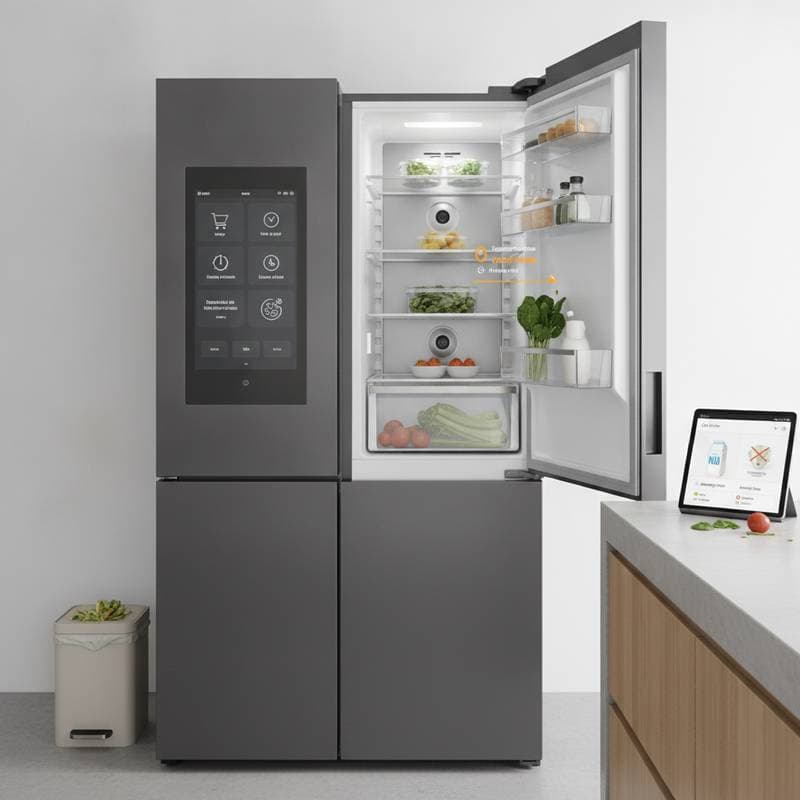
Future kitchens will harmonize robotics, analytics, and aesthetics into intuitive environments. Picture entering a space where a streamlined robotic unit has already assembled components for the evening repast, informed by refrigerator inventories and scheduled preferences. Ambient elements, such as lighting, adapt to enhance the dining atmosphere.
Preparation transitions from hands-on labor to strategic oversight. Users define visions, and systems realize them, while retaining flexibility for on-the-spot modifications like flavor tweaks or pauses for sampling. This equilibrium preserves agency amid efficiency.
Industry forecasts suggest that automated kitchens will achieve ubiquity, akin to the widespread adoption of dishwashers. Their blend of practicality, resource savings, and reliable performance renders them indispensable for modern living.
Embracing the Transformative Power of Robot Chefs
Integrating a robot chef transcends mere facilitation; it redefines interactions with nourishment. Dining shifts from hurried necessities to deliberate pleasures. The innovation nurtures balanced nutrition, reinforces eco-conscious behaviors, and reignites imaginative engagement in routine practices.