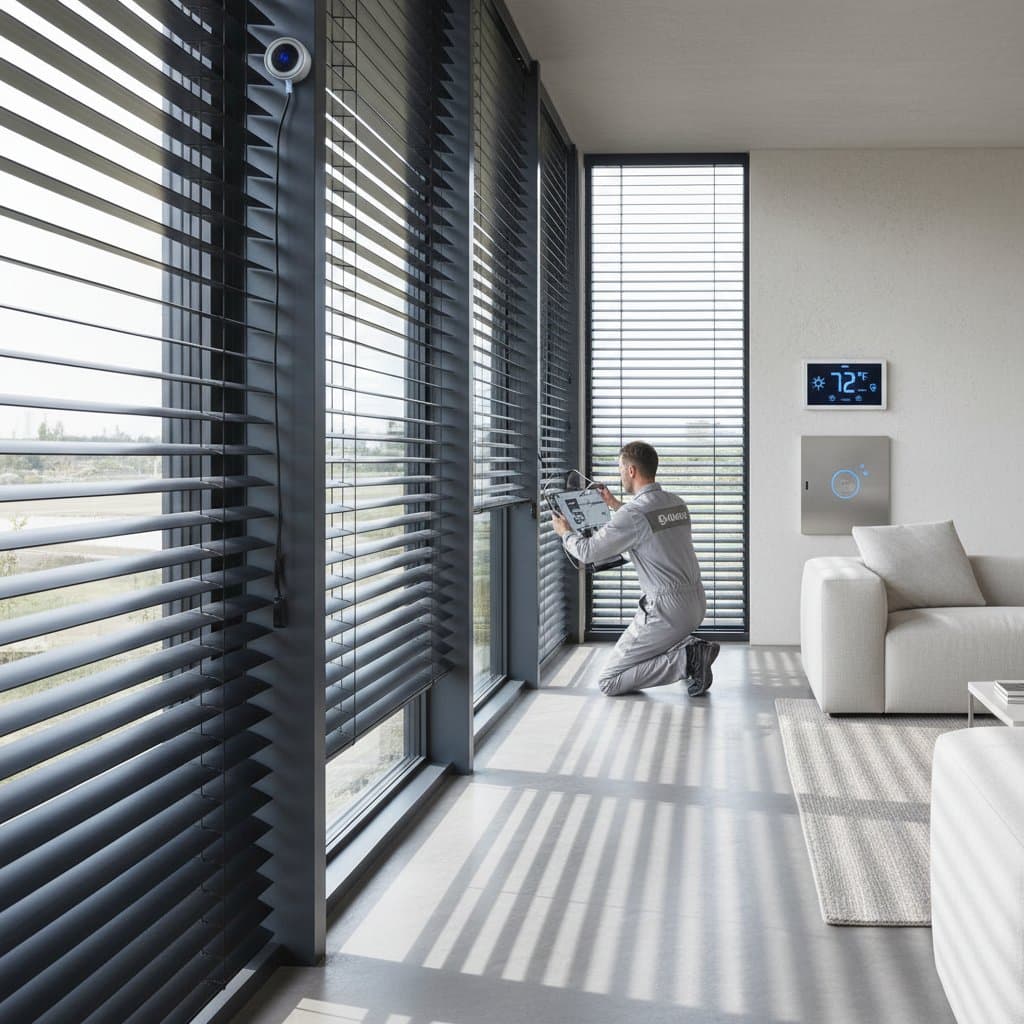
A Cooler Home Through Intelligent Light Management
Picture entering your living room during a warm summer afternoon. Sunlight pours through the windows, the air conditioner runs continuously, and the energy consumption rises noticeably. Closing the blinds manually dims the space and severs the connection to the outside view, creating an ongoing dilemma between thermal comfort and utility expenses.
Smart blinds incorporating solar tracking technology eliminate this compromise. These systems adjust positions in response to the sun's movement, blocking excess heat while preserving desirable natural illumination. Homeowners achieve reduced reliance on air conditioning, resulting in substantial savings on electricity bills and a harmonious indoor climate that aligns with environmental rhythms.
The Mechanics of Solar Tracking in Blinds
Solar tracking blinds rely on embedded sensors or integrations with external weather services to detect sunlight intensity and solar angles throughout the day. As the sun rises and shifts westward, the blinds angle themselves or descend partially to intercept direct beams, preventing rapid temperature increases inside the home. During overcast periods or after sunset, the blinds retract to admit softer, diffused light that enhances ambiance without adding heat.
This dynamic adjustment maintains steady indoor temperatures, minimizing fluctuations that strain heating, ventilation, and air conditioning systems. Air conditioners operate less intensively, as solar tracking preempts heat accumulation during peak hours. Many models connect to smart thermostats or comprehensive energy platforms, allowing coordinated responses where blinds and climate controls optimize performance together. For instance, if temperatures climb above a set threshold, the system closes the blinds proactively while modulating HVAC output for efficiency.
Selecting Appropriate Smart Blinds
Purchasing solar tracking smart blinds requires evaluation of window configurations, current smart home infrastructure, and desired user interfaces. Factors such as room orientation, sunlight exposure, and integration needs influence the best choice. Below is an overview of options across price categories, highlighting key features and suitability.
-
Entry-Level: SwitchBot Blind Tilt ($70 per window)
This clip-on retrofit attaches to standard existing blinds, enabling motorized tilting without replacement. It supports voice commands via Alexa and Google Home, making it accessible for beginners or temporary setups like rentals. Setup involves simple pairing with a smartphone app, and the device operates on rechargeable batteries that last several months. -
Intermediate: IKEA Fyrtur Motorized Shades ($180 to $200 per window)
These battery-powered shades feature a sleek, cordless design suitable for contemporary spaces. The IKEA Home Smart app allows scheduling and remote control, with compatibility for Zigbee hubs. Users appreciate the quiet mechanism and ease of mounting on various window sizes, though professional help may assist with larger installations. -
High-End: Lutron Serena Smart Shades ($500 and up per window)
Offering bespoke fabrics and near-silent operation, these shades excel in precision solar tracking through advanced sensors. They integrate seamlessly with Apple HomeKit, Alexa, and other ecosystems, enabling geo-fencing that activates routines based on location. Homeowners value the customization options, including UV-blocking materials that further protect interiors.
Practical Advice: Higher-tier models often incorporate location-based automation, closing during intense sunlight when occupants leave the premises. This feature maximizes savings without manual intervention, particularly in regions with prolonged sunny seasons.
Setup and System Compatibility
Installation for most motorized blinds proceeds with basic tools, appealing to those comfortable with home projects. Battery-operated units mount via brackets, while hardwired versions for multiple windows require electrical expertise to connect safely and calibrate sensors accurately. For non-standard windows or hubs like SmartThings and Home Assistant, engaging a certified professional ensures optimal performance and warranty compliance.
Many systems include solar charging strips that affix discreetly to window frames, harnessing ambient light to power operations indefinitely. This design avoids tangled cords and reduces maintenance. A typical setup for a medium-sized room, covering three to four windows, ranges from $300 to $600 in total cost, factoring in hardware, batteries, and minor accessories.
Optimizing Savings and Long-Term Benefits
To amplify energy efficiency, integrate solar tracking blinds with thermostats via a central hub. This linkage triggers automatic responses: blinds deploy as temperatures elevate, allowing the HVAC to run at lower capacities. In sunny climates, such configurations yield 10 to 20 percent reductions in cooling costs annually, based on consistent usage patterns.
Beyond monetary gains, these blinds shield furnishings, carpets, and artwork from ultraviolet degradation, preserving aesthetics and value over time. They sustain even lighting throughout the day, supporting productivity in home offices or relaxation in living areas. Regular firmware updates from manufacturers enhance features, such as predictive adjustments using weather forecasts for proactive control.
Implementing Your Smart Upgrade
Begin the transition by equipping one high-exposure room, such as a south-facing living area, to observe real-world impacts. Adjust automation rules through the app, experimenting with sensitivity settings for light and temperature to suit personal preferences. Once satisfied, scale to additional spaces for unified home management.
Solar tracking smart blinds extend beyond efficiency to cultivate serene, intuitive living. Technology manages subtle environmental shifts, freeing residents to focus on daily life. Consult reputable smart home directories to source vetted installers and secure competitive quotes for your project.
Frequently Asked Questions
What is the typical lifespan of solar tracking blinds?
Most models endure 10 to 15 years with proper care, including occasional cleaning and battery replacements. Motors and fabrics resist wear from daily adjustments.
Do these blinds work in all climates?
Yes, though they provide greatest value in areas with strong seasonal sunlight. In cooler regions, they still optimize passive heating during winter months.
Can I control them manually if needed?
Absolutely; apps and voice assistants offer override options, ensuring flexibility alongside automation.
How much sunlight exposure is required for solar charging?
Even indirect light suffices for the charging strips, though direct exposure extends battery life significantly.