Circadian Lighting Boosts Sleep Quality by 45 Percent in Key Studies
Smart home lighting extends far beyond basic functionality. This technology now influences sleep patterns, daily alertness, and overall well-being. Circadian lighting, previously limited to scientific settings and premium commercial spaces, gains traction in residential environments. Recent research indicates improvements in sleep quality reaching 45 percent, positioning this innovation as a vital tool for consumer health.
Understanding Circadian Lighting
Circadian lighting aligns with the body's internal clock, or circadian rhythm, which governs cycles of alertness and fatigue. Conventional indoor lighting frequently interferes with this rhythm through prolonged exposure to intense, blue-toned illumination during evening hours. In contrast, circadian systems dynamically adjust color temperature and intensity to replicate the progression of outdoor sunlight.
During mornings, lights deliver cooler, higher-intensity output to foster concentration and vitality. As evening approaches, they transition to warmer, subdued tones that prepare the body for rest. This synchronization enhances sleep efficiency and elevates daytime mood.
The Impact on Daily Life
Quality sleep influences energy, productivity, and emotional stability across all demographics. Individuals often pursue mobile applications or dietary aids for better rest, yet neglect a primary environmental factor: illumination. Evidence reveals that harmonizing indoor light with circadian needs decreases sleep interruptions, extends periods of deep rest, and accelerates sleep onset.
In household settings, such adjustments promote serene evenings and smoother morning routines. For those working remotely, they sustain focus during work hours while delineating boundaries between professional and personal time. This approach elevates the concept of intelligent lighting to support holistic wellness.
Core Technology Components
Advanced circadian systems employ adjustable light-emitting diodes (LEDs) capable of varying both luminance and spectral output. Integration with sensors or programmed timelines enables replication of sunlight's natural arc from dawn to dusk. Certain configurations connect to fitness trackers, fine-tuning illumination based on individual biometric feedback.
Leading manufacturers, including Philips Hue, Nanoleaf, and Lutron, provide compatible products that interface with established smart ecosystems. Users manage these via verbal instructions or predefined sequences, minimizing ongoing intervention after initial setup. The outcome yields a customized ambiance that adapts seamlessly to personal schedules.
Evidence from Practical Applications
A notable clinical trial demonstrated that subjects under circadian lighting achieved a 45 percent enhancement in sleep metrics. Participants also reported sustained vigilance during daylight hours and reduced fatigue in the afternoon. Additional investigations correlate precise light spectra and timing with optimized melatonin secretion, the key regulator of rest cycles.
Professionals in biophilic design incorporate these principles into home layouts. Architects and decorators view circadian elements as integral to health-promoting interiors, comparable to optimal air circulation and sound control. The emphasis lies in crafting spaces that nurture physiological and psychological health proactively.
Steps to Incorporate Circadian Lighting at Home
Implementing circadian lighting requires no extensive renovations. Contemporary smart bulbs feature built-in algorithms that track solar cycles for automatic adjustments. Target installation in high-impact zones such as sleeping areas, cooking spaces, or dedicated offices to maximize effects.
Consider these targeted strategies:
- Prioritize the bedroom environment. Select bulbs emitting soft, amber hues after sunset to facilitate pre-sleep relaxation and melatonin release.
- Enhance productivity areas. Deploy crisp, daylight-mimicking illumination in desks or reading nooks to sharpen mental acuity from mid-morning onward.
- Program gradual changes. Configure timers for progressive dimming or warming, avoiding sudden shifts that could disrupt comfort.
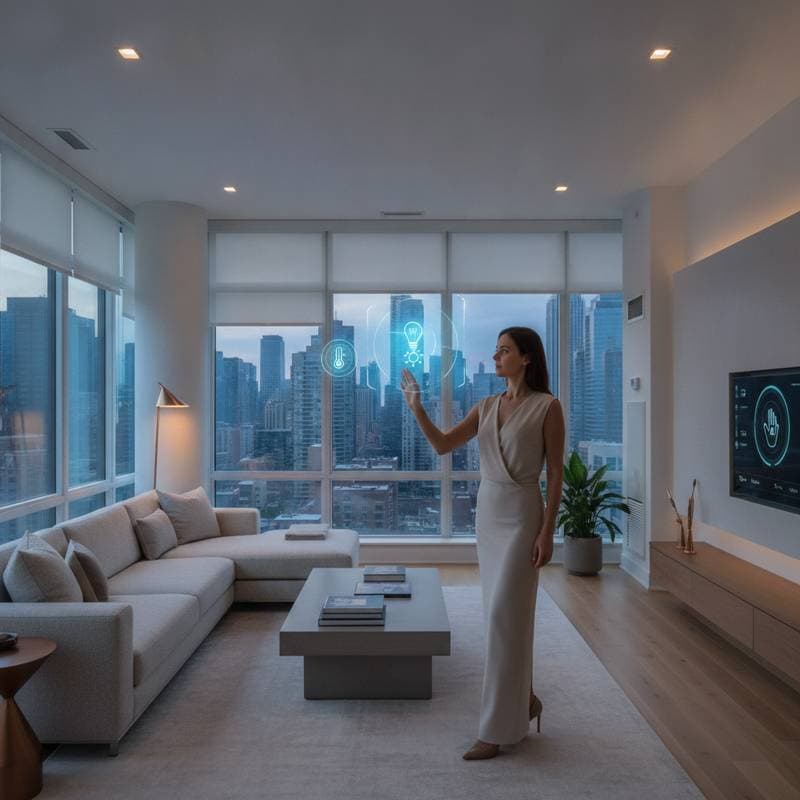
- Leverage voice integration. Pair systems with assistants like Alexa or Google Home for intuitive control, such as 'dim for evening mode' commands.
Incremental changes often yield swift improvements in daily refreshment levels.
Broader Wellness Integration
Circadian lighting aligns with the rising demand for health-oriented smart home features. Homeowners increasingly seek technologies that bolster vitality rather than mere efficiency. Illumination serves as an accessible entry point, influencing circadian biology and emotional states with minimal lifestyle disruption.
Sleep specialists advocate light optimization as an initial intervention for disrupted patterns. This method provides a non-invasive alternative to pharmaceuticals or rigid regimens, fostering equilibrium through technological precision.
Practical Implementation Guide
Smart homes evolve toward empathetic design that prioritizes human physiology. Circadian lighting merges empirical research with aesthetic appeal to foster supportive living spaces. As accessibility expands, personalization will mirror tailored audio experiences or exercise regimens.
Homeowners benefit from initiating with versatile bulbs in select rooms, observing shifts in vitality over weeks. The supporting data proves robust, and advantages extend to enhanced daily performance. Aligning home illumination with biological needs paves the way for restorative nights and invigorated days.