AI Kitchens Reduce Food Waste Through Intelligent Expiry Monitoring
Smart homes integrate artificial intelligence into everyday spaces, with the kitchen leading this transformation. Traditional storage methods often lead to overlooked spoilage, but AI systems now monitor ingredients, forecast expiration, and deliver precise notifications. These innovations address food waste, a major issue that burdens households financially and environmentally.
Each year, substantial amounts of edible food reach landfills due to neglect. AI kitchens deploy sensors, cameras, and algorithms to catalog contents, estimate remaining shelf life, and prompt timely action. This approach fosters efficiency, lowers costs, and promotes sustainable practices in daily meal preparation.
Understanding the Scope of Food Waste
Food waste accumulates quietly in refrigerators and pantries. Families purchase items with plans for balanced meals, yet items like produce or dairy spoil before use. This pattern incurs unnecessary expenses and generates greenhouse gases during decomposition.
Expiration dates provide limited guidance, as interpretations differ and conditions affect longevity. People struggle to monitor multiple perishables manually. AI offers a reliable solution by automating vigilance and delivering insights tailored to actual storage environments.
Core Components of an AI Kitchen
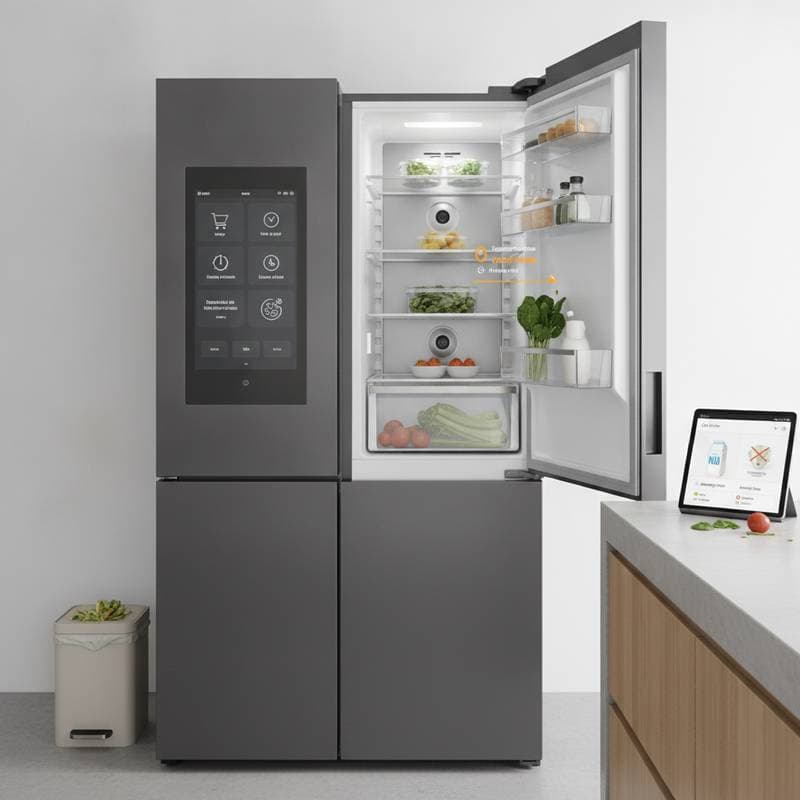
An AI kitchen encompasses interconnected appliances and software that oversee food inventory. Refrigerators equipped with cameras identify items via visual recognition or barcode input. Sensors track temperature and humidity to refine expiration estimates.
The central AI processes this information, learning from user patterns to anticipate needs. It generates alerts for nearing expiration and proposes recipes utilizing at-risk ingredients. Integration with delivery services enables automatic reordering, streamlining the supply chain.
Mechanics of Expiry Monitoring
The process starts with item identification upon storage. Systems cross-reference product databases with real-time environmental data to project usability periods. Algorithms adjust forecasts based on factors such as frequent access or ambient changes.
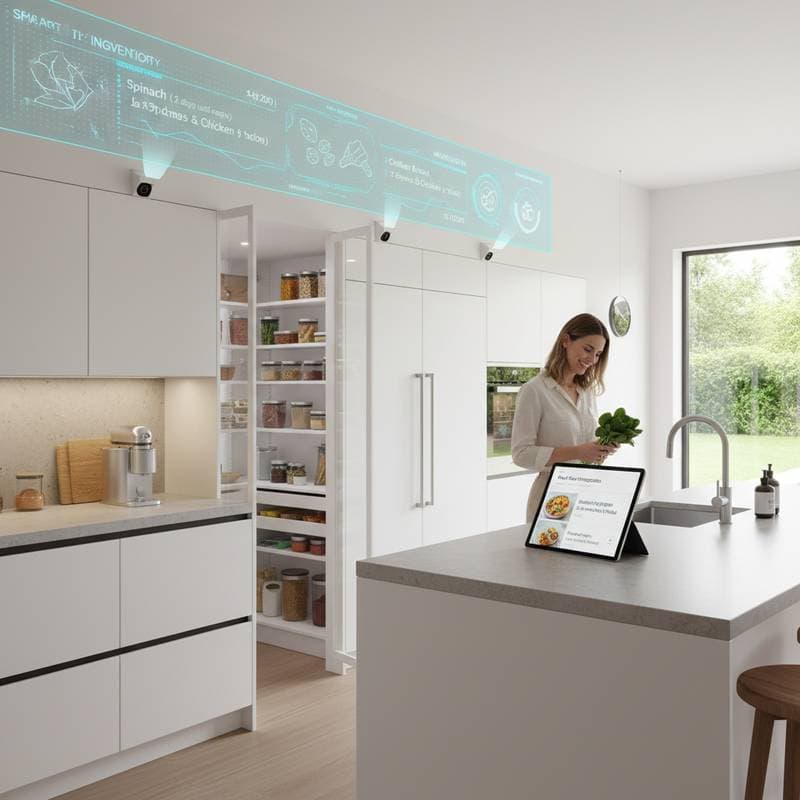
Notifications appear on mobile devices or integrated displays as expiration approaches. These prompts include practical suggestions, such as incorporating ripening produce into salads. Users gain tools for informed decisions that minimize discard.
Benefits for Daily Routines
These systems enhance convenience while advancing sustainability. Households avoid budget losses from spoiled goods and curb landfill contributions. For time-strapped individuals, automated tracking replaces manual checks with organized overviews.
Meal planning becomes straightforward, with apps displaying viable options by freshness. This proactive management cultivates habits of resourcefulness, aligning personal efficiency with broader ecological goals.
Leading Innovations in the Field
Established companies pioneer these technologies. LG InstaView refrigerators feature internal imaging for remote inventory views and expiration notices. Samsung Family Hub refrigerators incorporate voice commands to scan contents and recommend dishes.
Startups like Smarter offer retrofit kits that add AI to standard appliances. Platforms such as Too Good To Go connect users to near-expiry discounts from retailers. These developments form a cohesive network for waste prevention.
Advancing Beyond Basic Alerts
Expiry systems evolve to predict consumption trends. By analyzing purchase history, AI forecasts depletion and suggests preservation methods like freezing. Connections to cooking devices enable recipe displays matched to available items.
For instance, a system might direct users to prepare stir-fries with vegetables nearing peak ripeness. This integration bridges storage and preparation, maximizing ingredient utility.
Evidence from Market Trends
Industry analyses indicate rapid growth in smart kitchen adoption. Approximately 50 percent of households employ at least one connected device, with freshness monitoring ranking high in demand. Users seek features that yield clear returns, like cost reductions.
Behavioral studies confirm that timely alerts prompt action, altering routines toward conservation. Such interventions foster innovative uses for food, diminishing overall waste volumes.
Addressing Implementation Barriers
Privacy remains a concern with visual monitoring. Solutions process data on-device to limit external access. Initial costs for advanced units pose challenges, though retrofit options lower entry barriers.
Prediction accuracy improves through iterative machine learning and user input. Developers aim for notifications that inform without overwhelming, ensuring practical utility.
Implications for Sustainable Practices
AI kitchens contribute to mindful consumption patterns. Similar to health monitors that guide wellness, these tools encourage thoughtful food handling. Long-term use shifts behaviors, amplifying individual efforts into systemic change.
Supply chains gain from aggregated insights, optimizing production and distribution. This interconnected approach extends sustainability from homes to global operations.
Ensuring Seamless Device Compatibility
Effective systems rely on broad interoperability. Protocols like Matter enable cross-brand communication among fridges, sensors, and assistants. Users access unified interfaces for expiry checks and suggestions.
Voice queries yield immediate responses, such as lists of urgent items. This fluidity embeds technology into routines, enhancing usability without complexity.
Enhancing the Human Experience
Technology supports rather than supplants the joys of cooking. It alleviates concerns over freshness, freeing focus for experimentation and sharing. Families engage more deeply with meals, informed by reliable data.
Interactive elements educate on sustainability, involving all household members in responsible choices.
Accessibility for Diverse Living Situations
Homeowners benefit from built-in features that boost property appeal among environmentally aware buyers. Renters access portable apps or add-on devices for comparable advantages. Incremental adoption yields progressive improvements.
Basic apps that log purchases and track dates serve as entry points, building toward comprehensive setups.
Steps to Integrate AI Monitoring
Begin with accessible tools like fridge cams or inventory apps. Scan barcodes during stocking to populate databases accurately. Maintain organization for optimal sensor performance.
- Activate push notifications for real-time prompts.
- Review and update logs post-shopping.
- Explore recipe ideas for priority items.
- Link services for automated restocking.
Consistent application compounds savings and reduces environmental impact.
Achieving Efficiency and Sustainability
AI kitchens empower informed food management, yielding financial and ecological gains. Users experience streamlined operations and heightened awareness. This evolution positions the home as a center for responsible innovation.