Reduce Food Waste with AI Smart Fridges
Households frequently encounter spoiled produce in the crisper drawer, overlooked leftovers on rear shelves, or milk that sours unnoticed. Food waste remains a common challenge in contemporary kitchens, but emerging technology addresses this issue effectively. The newest AI-powered smart refrigerators alter food storage, management, and utilization by learning user patterns, forecasting needs, and recommending efficient strategies.
Challenges of Traditional Refrigeration
Conventional refrigerators maintain freshness for decades without aiding memory of contents or spoilage timelines. Shoppers often purchase duplicates or neglect items before they spoil. Research indicates that families discard substantial amounts of bought food weekly due to inadequate oversight and foresight. This practice leads to financial loss, increased energy use, and environmental burden.
Smart refrigerators introduce digital oversight to essential home appliances. They link storage, procurement, and preparation to simplify sustainable choices.
Key Features of AI Smart Fridges
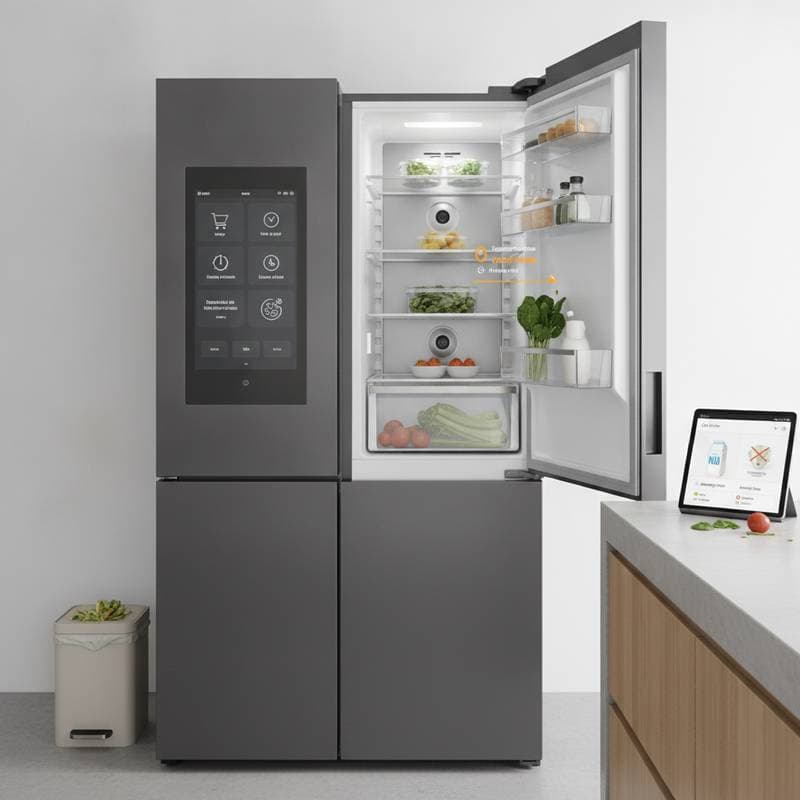
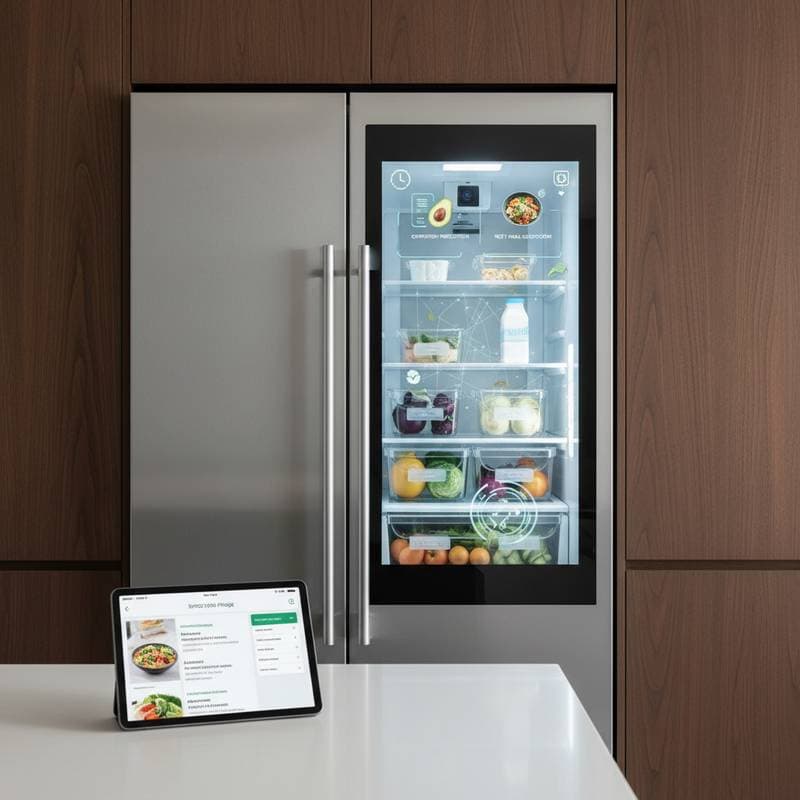
These refrigerators incorporate cameras, sensors, and machine learning to identify stored items. The system monitors expiration dates, generates meal suggestions from available ingredients, and alerts users to impending spoilage. Certain models integrate with delivery services to compile shopping lists or automate reorders for staples.
Adaptability defines their strength. Usage refines the system's grasp of family preferences. For example, if pasta dishes dominate weekends or plant-based options prevail midweek, the refrigerator tailors recipe proposals accordingly. This functions as an embedded culinary advisor familiar with inventory details.
Examples from Leading Brands
Prominent manufacturers deliver innovative models that enhance usability and environmental impact. Samsung's Family Hub features interior cameras and voice commands for remote content checks. LG's ThinQ series provides expiration alerts and recipe ideas to utilize nearing-spoil items. Bosch and GE contribute with recognition technology that pairs with voice assistants for seamless operation.
These developments signal a progression to integrated kitchen networks. Refrigerators now interact with ovens, ranges, and shopping platforms. Such connectivity enables forward planning, time conservation, and waste reduction.
Benefits for Daily Routines
Waste reduction extends beyond ecology to practical advantages. Receive notifications about yogurt expiring the next day or automated suggestions for using drawer tomatoes. These prompts accumulate to streamline household operations.
Families allocate significant grocery funds to perishables such as fruits, vegetables, and dairy. Minimizing spoilage yields direct savings. Additionally, it alleviates impromptu meal pressures and excess store visits. An organizing refrigerator reclaims time and cognitive effort for other pursuits.
Core Technologies Driving Progress
AI smart fridges combine image recognition, precise temperature control, and forecasting models. Cameras capture contents upon door closure. Software categorizes items and records freshness periods. Additions or removals trigger immediate updates. Sensors regulate humidity and temperature to suit specific food requirements.
Advanced units leverage cloud access for recipe libraries and nutrition facts. They propose balanced menus or monitor intake upon integration. Enhanced privacy settings allow local data retention or restricted sharing.
Addressing Adoption Hurdles
Interest in intelligent kitchens rises, yet expense and setup deter many. Initial models demanded high costs with fragmented compatibility. Progress accelerates compatibility through universal standards for device interaction. Prices decline, broadening accessibility.
Sustainability consciousness propels uptake. Users value tools that align practicality with ethics. Experts forecast standard inclusion of smart features in upcoming generations.
Steps to Integrate an AI Smart Fridge
Select models compatible with current gadgets when upgrading. Prioritize functions matching personal needs, such as recipe generation, stock monitoring, or verbal interfaces. Assess cooking frequency realistically. Technology aids planning for regular meal preparers but offers less for infrequent cooks.
- Track frequent purchases via built-in logs to refine habits.
- Generate lists from inventory data for efficient shopping.
- Respond to expiration reminders to repurpose items promptly.
- Experiment with suggested recipes to explore new combinations.
Within weeks, observe diminished forgotten items and inspired meals from existing stock.
Achieving Sustainable Kitchen Efficiency
AI smart fridges merge sophistication with ease. They operate unobtrusively to cultivate improved routines. Outcomes include tidier spaces, fresher selections, and greener living.
Intelligent homes evolve from mere utility to supportive partners. Proactive appliances guide users toward enhanced well-being.