Smart Robot Vacuums Now Clean Without Human Help
Imagine returning home after a demanding day to discover spotless floors, fresh air, and no visible dust. You contribute no physical effort, yet the living space appears impeccably maintained. This scenario represents the ongoing transformation in smart cleaning, driven by robot vacuums that grow increasingly intelligent, efficient, and versatile.
The Challenge of Daily Floor Maintenance
Maintaining clean floors presents a persistent challenge. Pets, children, and regular foot traffic generate dust and debris that accumulate rapidly. Manual vacuuming demands significant time and interrupts daily activities, particularly when navigating furniture or varied floor surfaces. Early robot vacuums managed only basic tasks, often colliding with obstacles and overlooking areas, which led many users to abandon them once initial interest faded.
Advancements in Intelligent Cleaning Technology
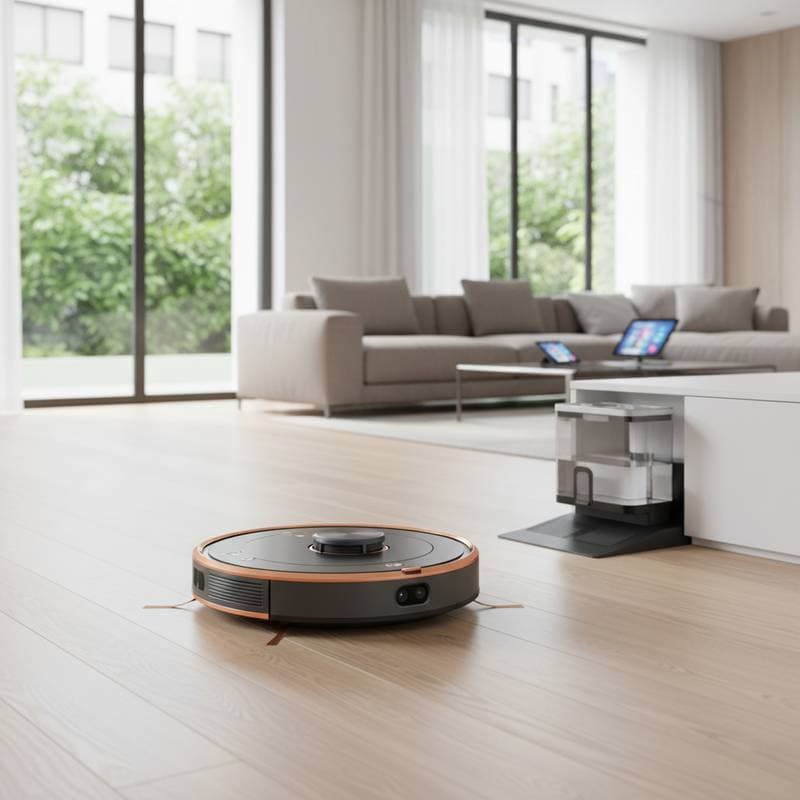
Contemporary robot vacuums transcend basic functionality. They incorporate sophisticated mapping, laser-based navigation, and object detection for precise operation. Current models identify carpeted areas, modulate suction power accordingly, and apply controlled water flow for mopping hard surfaces. These devices integrate seamlessly into routines, operating silently during sleep or absences.
A key advancement involves enhanced obstacle avoidance. Premium units employ LiDAR and 3D imaging to generate accurate room layouts, minimizing overlooked sections and preventing entanglements under furnishings. This technology ensures comprehensive coverage with reduced intervention.
Selecting the Ideal Robot Vacuum: A Structured Approach
-
Assess Specific Requirements
Evaluate floor compositions, presence of pets, and residence dimensions. Hybrid units that vacuum and mop suit homes with predominant hardwood or tile. Individuals with pets benefit from high-powered suction and brushes designed to resist hair tangles. -
Examine Navigation Technologies
Entry-level options depend on contact-based sensors, whereas intermediate and high-end models utilize laser or visual navigation. Advanced systems enable optimized routes and superior area coverage, completing tasks more swiftly. -
Review Mobile Application Capabilities
Effective apps allow designation of restricted zones, scheduling of sessions, and examination of past activities. Integration with voice assistants like Alexa or Google Home supports hands-free commands. -
Inspect Battery Performance and Charging Mechanisms
Residences of greater size require extended operation, preferably exceeding 120 minutes. Features for automatic recharging and task resumption ensure completion without oversight. -
Account for Upkeep Demands
Regular emptying of bins, brush cleaning, and filter changes sustain efficiency. High-end variants feature self-emptying bases that store debris for weeks, limiting maintenance to occasional reviews.
Recommended Models Across Price Ranges
-
Affordable Selection: Wyze Robot Vacuum (approximately $250)
This unit provides intelligent mapping and robust suction suitable for compact to average-sized homes. Although it omits mopping, it offers dependable performance at an accessible cost. -
Intermediate Option: Roborock Q Revo (approximately $900)
It merges vacuuming with mopping via dual rotating pads and a dock that cleans components automatically. LiDAR guidance and support for multiple levels make it ideal for active families. -
High-End Pick: iRobot Roomba Combo j9+ (approximately $1,400)
Equipped with superior obstacle identification and a dock for self-emptying and self-washing, this model distinguishes floor types and elevates its mop pad on carpets as required.
Each recommendation integrates with leading smart home ecosystems. Roborock stands out for its adaptable app, appealing to users seeking detailed customization.
Essential Usage and Setup Factors
Robot vacuums address the majority of cleaning needs, yet preparation enhances results. Secure loose cords, clothing items, and toys to avoid sensor disruptions. Verify the unit's capacity to ascend thick carpets or cross room thresholds prior to purchase.
Setup proves straightforward. Designate a docking zone with unobstructed access on either side. Application-based configuration requires only a few minutes. Annual expenses for filters range from $20 to $40, while mop pads or brushes warrant replacement every several months based on frequency.
From an economic viewpoint, premium investments yield savings in time and labor relative to frequent manual sessions. Paired with self-emptying functionality, these devices demand minimal interaction over extended periods.
An underappreciated innovation involves sonic vibration in select advanced mops, which agitates pads to remove stubborn residues more thoroughly than passive wiping methods. This elevates the efficacy of automated floor care.
Integrating Smart Cleaning into Your Routine
Adopting smart cleaning reclaims valuable hours for priorities beyond chores. These devices deliver reliable, adaptive results that align with modern lifestyles, from overnight maintenance to reduced weekly tasks.
Begin with a basic model to gauge benefits. Progress to hybrid capabilities for comprehensive coverage as familiarity increases. For assistance with setup, explore vetted professionals through dedicated platforms. Once operational, the convenience becomes indispensable.
Frequently Asked Questions
How frequently should a robot vacuum operate?
Daily runs suit most homes, while those with pets may opt for sessions twice per day.
Do robot vacuums work on all floor types?
Yes, versatile models adapt to carpets, hardwood, tile, and laminate, with automatic adjustments for optimal performance.
What maintenance is required beyond emptying?
Clean brushes and sensors weekly, and replace filters every three to six months to maintain suction efficiency.
Can these devices handle pet hair effectively?
Models with anti-tangle brushes and strong suction excel at managing pet hair without frequent clogs.