Envision Your Home Collaborating with the Energy Grid
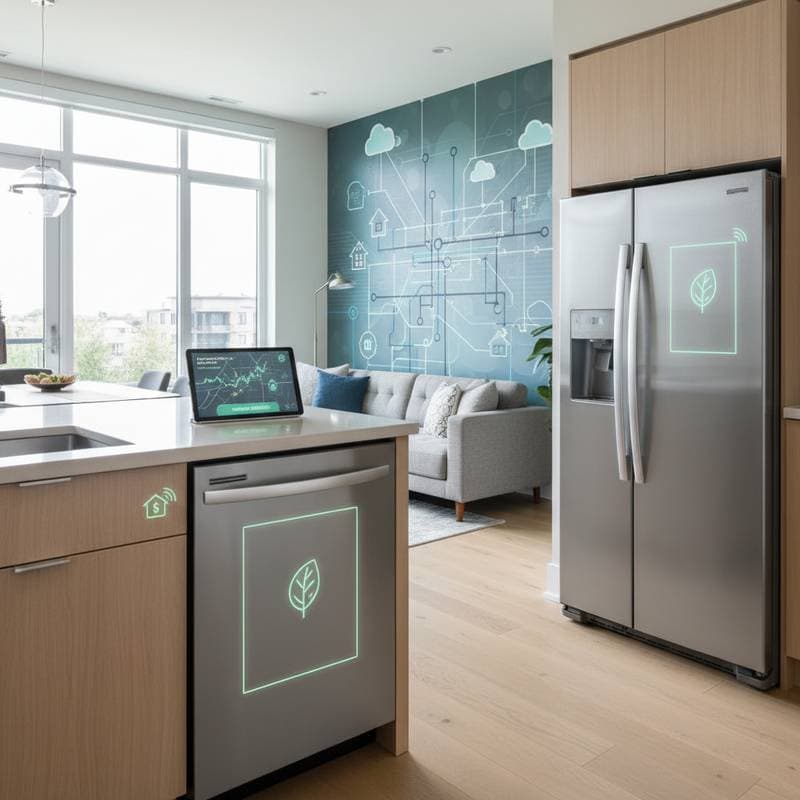
Consider a typical evening. You complete dinner and load the dishwasher. Your utility app prompts a delay in the cycle until later when demand decreases. With a simple confirmation, the appliance pauses until conditions improve. This action saves money, eases grid pressure, and supports community stability by preventing potential outages. Such scenarios represent the reality of smart appliances integrated with utility systems for mutual benefit.
Homeowners increasingly experience this technology. Smart refrigerators, washing machines, dryers, and water heaters interact with utility demand response initiatives to optimize energy consumption. Outcomes include reduced bills, enhanced grid reliability, and a diminished environmental impact from household energy use.
The Importance of Utility Integration in Smart Appliances
Many recognize smart appliances for monitoring usage or integrating with voice assistants. Advanced capabilities extend to direct connections with the local power grid. During periods of elevated electricity demand, utilities transmit signals to adjust or minimize device energy draw temporarily.
This process delivers subtle efficiency gains. Daily tasks like laundering clothes or cooling food continue uninterrupted, yet appliances align high-energy operations with lower-rate periods. Beyond convenience, this fosters harmony between individual homes and the broader energy infrastructure.
These features form components of comprehensive demand response programs. Participants permit minor, short-term modifications to appliance functions during peak demand. Utilities compensate through rebates, discounted rates, or bill credits.
The Mechanics of Grid Integration
Enrollment occurs via the utility app or website. Appliance manufacturers link devices to the utility platform using secure cloud-based software. Signals then reach appliances during designated peak intervals.
Specific examples illustrate functionality:
- Smart water heaters preheat during low-demand times, ensuring hot water availability on schedule.
- Smart washing machines and dryers postpone cycles by one or two hours to sidestep elevated rates.
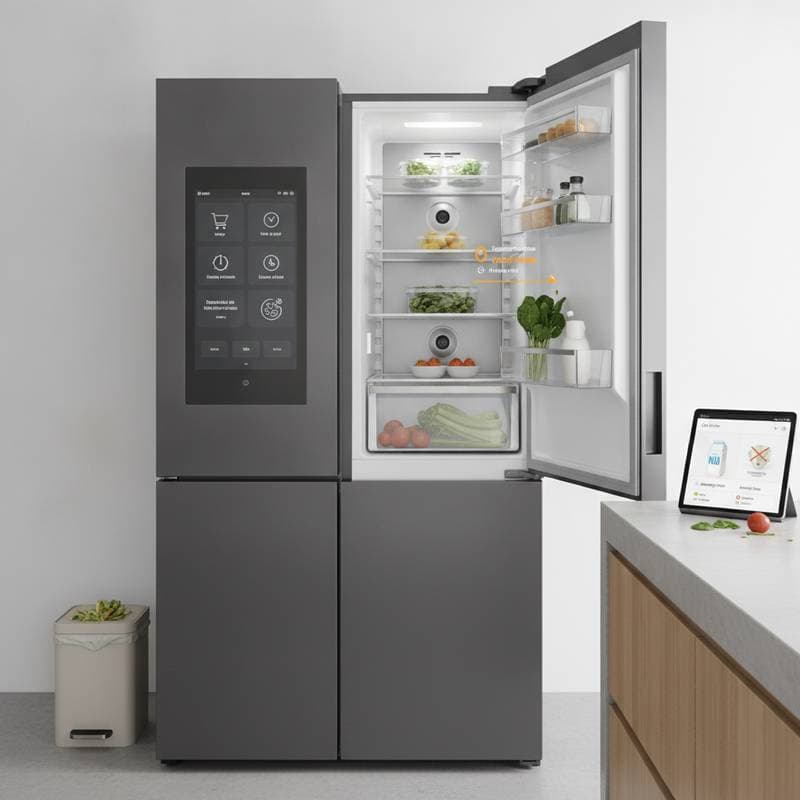
- Smart refrigerators modulate compressor speeds briefly, maintaining food preservation standards.
Users encounter minimal disruption. Appliance apps provide oversight, and withdrawal from participation remains an option at any time.
Devices Enabling Grid Connectivity
Market expansion accelerates, with multiple brands offering utility-compatible models:
-
Affordable Choice: GE Profile Smart Front-Load Washing Machine (approximately $799)
This unit pairs with the SmartHQ platform and various energy management systems. It shifts cycles to off-peak periods automatically, suiting budget-minded individuals seeking immediate cost reductions without additional hardware. -
Mid-Tier Selection: Whirlpool Energy Star Smart Dishwasher (approximately $1,099)
Integrated with the Whirlpool app, this dishwasher accommodates demand response in numerous regions. It delivers live energy consumption data and aligns with utility pricing fluctuations. -
High-End Model: LG ThinQ Smart Refrigerator with InstaView (approximately $3,499)
This refrigerator employs LG ThinQ Energy for utility synchronization, refining compressor operations and power usage. Detailed analytics support precise monitoring of household energy patterns.
Prioritize Energy Star Connected Appliance certifications when purchasing. These ensure adherence to efficiency benchmarks and verified interoperability with utilities.
Utility Incentives and Rewards Explained
Utilities frequently offer seasonal programs with enrollment bonuses for linking qualified appliances. Payments range from $25 to $75 per device per season, supplemented by credits for event participation.
Dynamic time-of-use pricing represents another advantage. Rates decrease during midday or overnight when renewable sources peak. Smart appliances capitalize on these intervals autonomously, yielding savings with no user intervention.
Installation and Cost Factors
Setup mirrors that of conventional appliances, primarily requiring Wi-Fi access and app configuration. Distance from the router to appliance locations may necessitate a signal extender for consistent connectivity.
Smart models command a 10 to 20 percent premium over basic versions. An additional $100 to $200 applies to items like washing machines. Energy reductions and rebates typically recoup this investment over several years.
Quantifiable benefits include:
- Connected water heaters reducing yearly consumption by at least 10 percent.
- Integrated dishwashers yielding $15 to $30 in annual savings under time-of-use plans.
For appliance replacements, consult resources such as the U.S. Department of Energy Rebate Finder or utility-specific incentive directories. These often substantially lower acquisition expenses.
Addressing Security and Privacy Concerns
Linking appliances to utility networks prompts questions about data protection and autonomy. Employed protocols feature encryption and industry standards. Utilities access only aggregated energy signals and device operational states, excluding personal elements like video or audio.
Examine app privacy configurations thoroughly. Restrict extraneous permissions and implement robust, distinct passwords. Dedicated smart hubs offer supplementary safeguards for enhanced management.
Ensuring Seamless Compatibility
Optimal performance arises from unified communication standards across devices and hubs. Seek Matter or OpenADR protocol support for interoperable energy management.
Existing smart home platforms like Google Home, Amazon Alexa, or Apple Home should relay energy metrics if compatible. This consolidates visibility into a centralized interface.
For comprehensive upgrades, integrate a smart energy monitor such as Sense or Emporia. These tools analyze total household consumption, pinpoint high-draw appliances, and confirm demand response efficacy in generating savings.
Steps to Implement Grid-Smart Features
- Assess utility offerings: Navigate to the provider site and locate sections on demand response or smart appliance initiatives.
- Validate compatibility: Confirm prospective devices align with local utility protocols prior to purchase.
- Configure applications: Connect appliances to Wi-Fi and associate them with your utility profile per guided prompts.
- Track outcomes: Examine bills periodically to quantify energy and cost reductions.
- Update knowledge: Monitor utility announcements for expanded device support and incentive enhancements.
Advancing Your Home's Energy Role
Utility-integrated smart appliances provide an accessible entry into contemporary energy practices. These systems simplify automation for bill reduction or full-home optimization.
Widespread adoption strengthens grid resilience and sustainability. Residents gain sustained comfort and financial advantages as appliances manage demand equilibrium discreetly.
To proceed, explore certified professionals or model comparisons via a reliable platform like XavageTech. Strategic enhancements transform your residence into a proactive energy contributor, delivering monthly returns on investment.
FAQs
What constitutes a demand response program?
An utility-managed effort that modifies appliance energy patterns briefly during peak times to stabilize the grid and offer participant cost relief.