Imagine Appliances That Coordinate with the Power Grid
Picture yourself in the kitchen during a calm evening. Your dishwasher starts its cycle after a brief delay, selecting a period of lower energy costs and reduced environmental impact. This adjustment occurs without manual intervention, as the appliance communicates directly with the utility company to optimize timing. Such seamless interactions highlight the potential of smart appliances integrated with the grid.
Addressing Peak Energy Demands
Utilities encounter significant strain during predictable high-demand periods, such as summer afternoons or winter evenings. Connected devices in homes offer a solution by responding to utility signals and adjusting operations accordingly. This approach benefits consumers through reduced bills and supports grid stability by avoiding reliance on costly backup generation.
Smart-grid integration enables appliances, thermostats, and chargers to receive instructions from utilities and shift usage to off-peak hours. Participation requires compatible equipment and a grasp of basic system interactions, making it accessible without advanced technical knowledge.
Communication Mechanisms in Smart Appliances
Devices with Wi-Fi or Zigbee connectivity link to home energy systems or utility demand response platforms. Upon receiving alerts about high prices or limited capacity, these appliances delay or scale back operations automatically.
Consider these practical applications:
- A smart water heater reduces its set temperature during peak demand.
- A connected washing machine holds its cycle briefly when rates increase.
- A smart thermostat cools the home in advance of a demand surge, then conserves energy afterward.
These functions depend on protocols like Open Automated Demand Response or utility-specific interfaces. Leading appliance manufacturers incorporate these features in recent models, potentially allowing existing devices to join programs.
Tangible Advantages for Homeowners
Cost reduction stands out as a primary gain. Utilities implement time-of-use rates that vary by hour, and automated shifts to low-rate periods can lower bills by 10 to 25 percent, based on local pricing.
Environmentally, load shifting decreases dependence on fossil fuel reserves during peaks, thereby cutting community-wide emissions. Additionally, participation enhances home resilience by mitigating blackout risks during grid stress.
Guide to Implementing Smart-Grid Features
Verify Utility Program Availability
Examine the electric provider's website for offerings like demand response initiatives, smart thermostat incentives, or time-of-use pricing. Providers often supply rebates or complimentary devices upon enrollment.
Assess Existing Equipment
Determine if current Wi-Fi-enabled appliances, such as refrigerators or water heaters, support demand response. Review manufacturer apps or manuals for indicators like grid-ready certification.
Select a Central Management Hub
Opt for direct utility connections or a unified platform to oversee devices. Options include Samsung SmartThings Energy, Amazon Alexa Energy Dashboard, and Google Home Energy Insights, which track usage and automate adjustments.
Identify Suitable Appliances
Prioritize ENERGY STAR Smart Grid Ready labels when purchasing. Examples by price range include:
- Budget: GE Appliances Smart Front Load Washer (around $850), with Wi-Fi scheduling via SmartHQ for time-of-use alignment.
- Mid-range: LG ThinQ Smart Dishwasher (around $1,100), adaptable to utility programs for cycle modifications.
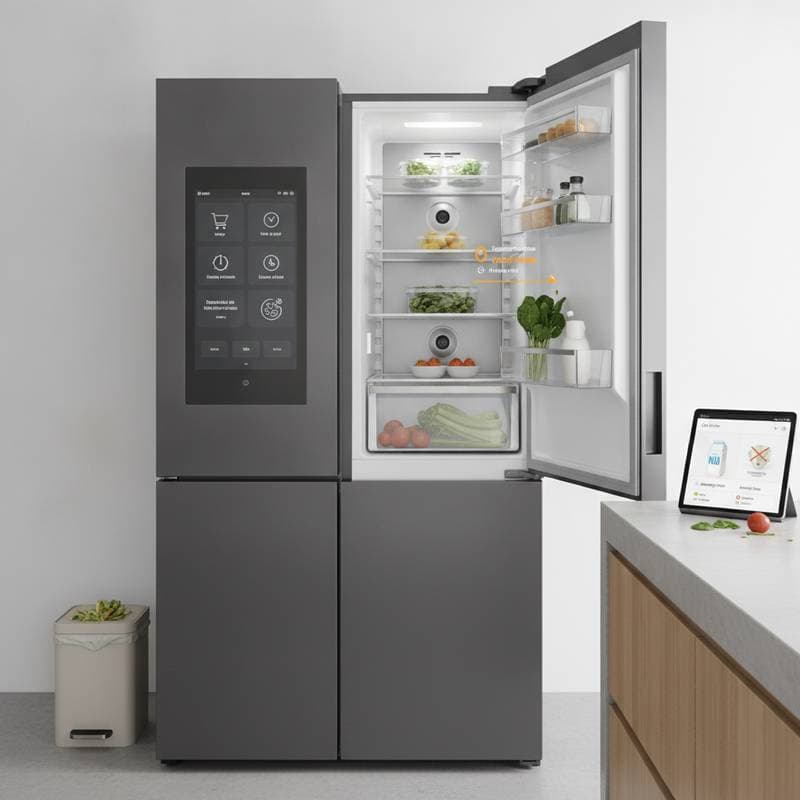
- Premium: Samsung Family Hub Refrigerator (around $3,000), fully integrated with SmartThings for dynamic energy control.
Connect Devices to Utility Services
Access the appliance app's energy savings section or utility program options. Complete account linkage by entering credentials or confirming location details. Devices then respond to signals without further input.
Advanced Devices That Forecast Grid Conditions
Certain modern appliances go beyond reactions by anticipating events. They leverage utility forecasts to schedule tasks preemptively, smoothing consumption patterns. The Sense Home Energy Monitor, for instance, identifies usage trends and coordinates with plugs or thermostats to preempt rate hikes, yielding greater long-term efficiencies.
Maintaining User Control
Homeowners often worry about diminished oversight. In practice, systems allow event opt-outs or custom limits, such as restricting HVAC adjustments to two degrees. Utilities prioritize flexibility, ensuring minimal disruption to daily routines.
Financial Overview and Return on Investment
Initial costs for smart-grid appliances exceed standard models, yet recovery occurs swiftly. Breakdowns include:
- Entry-level: Smart plugs, thermostats, or water heater controllers ($50 to $250).
- Mid-range: Washers, dishwashers, or dryers ($800 to $1,500).
- Comprehensive: Home-wide systems with solar or battery integration ($3,000+).
Rebates accelerate payback; utilities may compensate $25 to $75 annually per enrolled thermostat.
Installation and Security Essentials
Adhere to manufacturer instructions for network connections. Engage a licensed electrician for wiring changes, particularly with high-power items like water heaters or EV chargers.
Secure home Wi-Fi with robust passwords and regular firmware updates. Utility devices receive ongoing patches to uphold standards and protect against threats.
Broader Impacts on Energy Infrastructure
Widespread adoption stabilizes the grid and postpones expensive upgrades, benefiting all ratepayers. The trend extends to diverse appliances, including ovens and pool pumps, with manufacturers embedding direct communication for quicker responses.
Centralized Energy Platforms
For unified oversight, integrate a dedicated platform that monitors consumption and handles grid responses.
Key options:
- Emporia Vue Energy Monitor (around $150): Monitors circuits and automates via plugs.
- Sense Home Energy Monitor (around $300): Detects device patterns and anticipates events.
- Span Smart Panel (around $4,000 installed): Upgrades the electrical panel for app-controlled grid interaction.
These tools position the home as an efficient, self-regulating energy node.
Preparing for Evolving Pricing Models
Utilities advance toward real-time dynamic rates that fluctuate hourly with market conditions. Responsive appliances maximize savings in this environment, with tests underway in select areas. Select updatable models to ensure future compatibility.
Practical Actions for Energy Optimization
Begin modestly by linking a thermostat or plug to utility programs and observing performance during events. Witnessing preserved comfort alongside savings encourages broader adoption.
For extensive setups involving multiple appliances or storage, seek expert assistance through platforms like XavageTech Marketplace, connecting to specialists familiar with protocols and incentives.
Experiencing Grid-Synchronized Living
Integrated systems introduce understated enhancements: appliances operate at optimal times, climates stay balanced efficiently, and dashboards reflect declining costs and emissions. This setup fosters harmony with an adaptive grid, positioning smart devices as allies in sustainable community energy management.