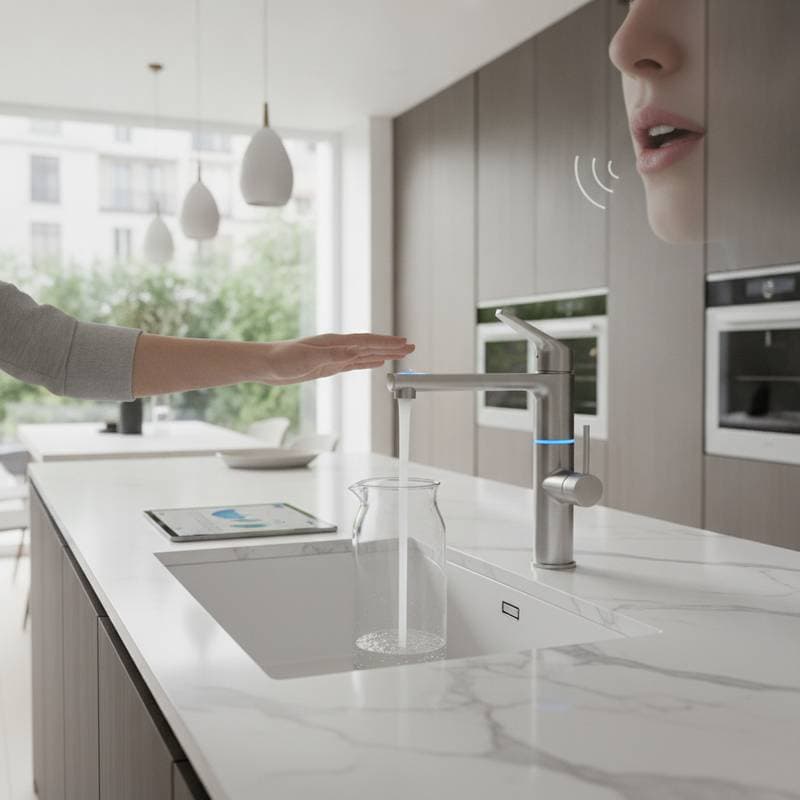
Imagine a Kitchen That Responds Before You Even Touch It
You have dough on your hands. The pasta water is boiling. Your phone rings across the room. Twisting a faucet handle with sticky fingers is the last thing you want to do. Touchless smart faucets address this exact scenario. They activate water flow through motion or voice commands. These fixtures have moved beyond novelty status and now appear in many updated kitchens.
Why Homeowners Choose Touchless Models
Homeowners value the combination of convenience and hygiene. A sensor detects hand movement or a voice command starts the flow. Users wash produce, fill pots, or rinse dishes without touching handles. Connected models link to Wi Fi networks and voice assistants. Commands such as dispense one cup or fill the dog bowl produce measured results.
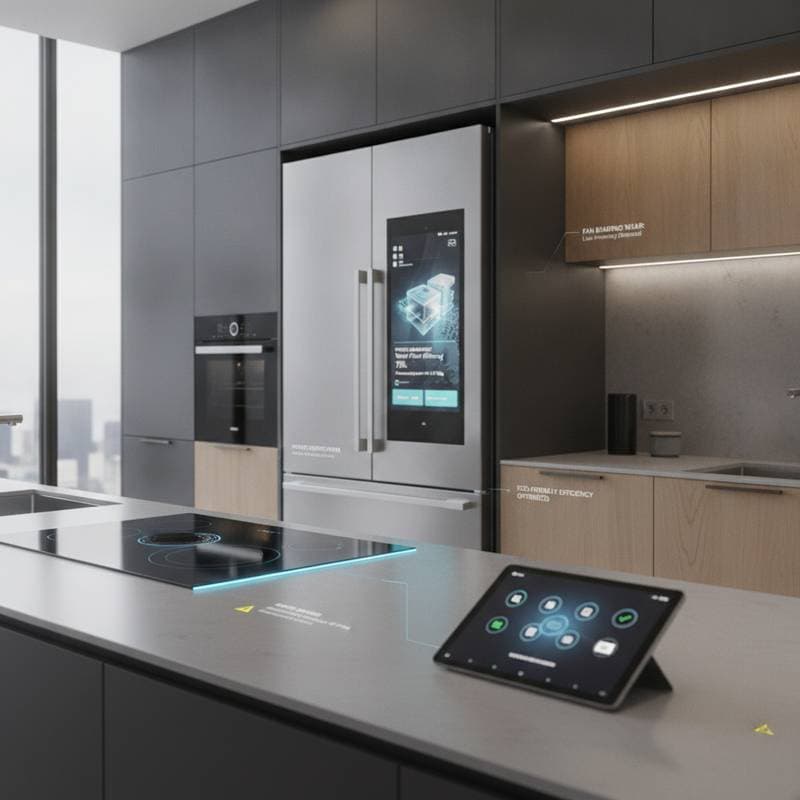
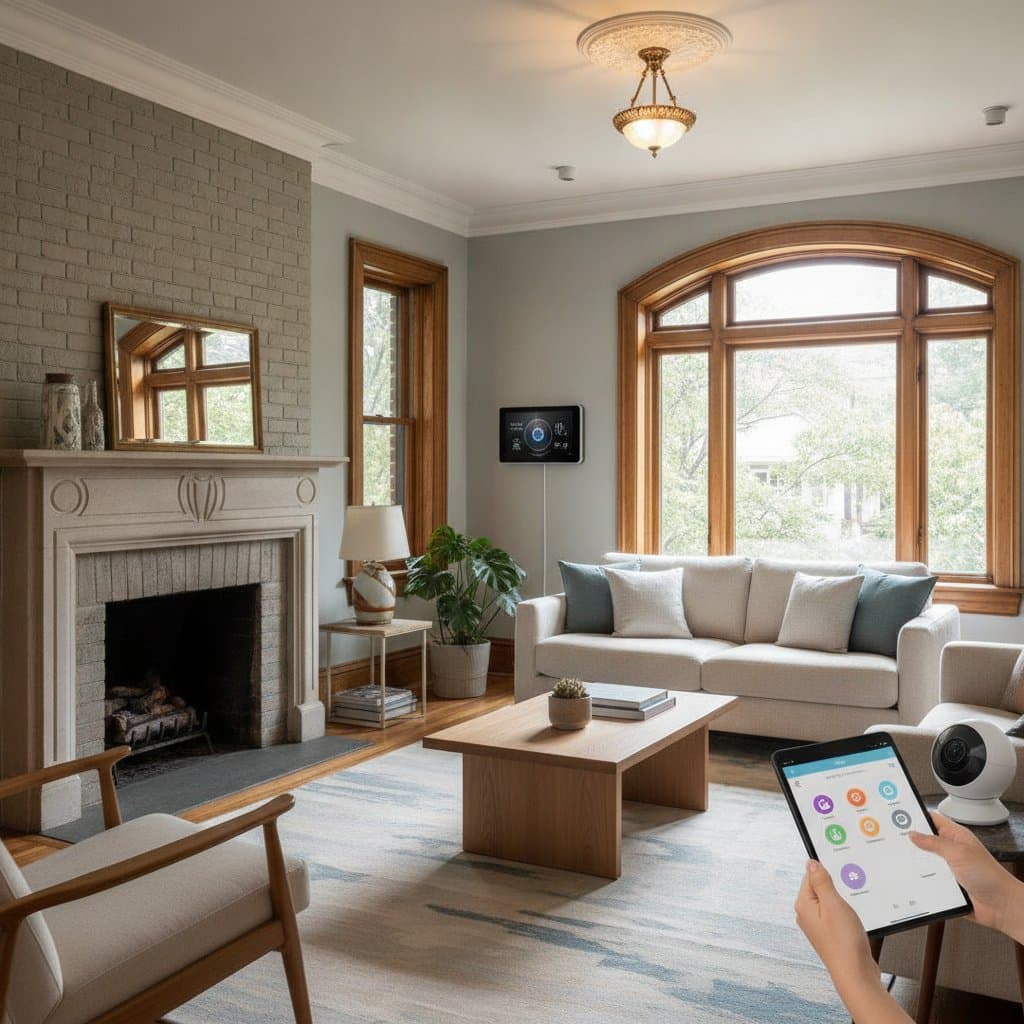
Integration with existing smart home systems feels seamless. Lighting, appliances, and music already respond to voice input. Adding faucet control extends the same efficiency to water use. The result is reduced germ transfer and lower water consumption during daily tasks.
How Sensors and Voice Controls Operate
Infrared or motion sensors sit near the spout base. An object entering the detection zone opens the valve immediately. Capacitive sensors on advanced units detect proximity through gloves. This design cuts down on unintended activations.
Voice enabled units connect to Amazon Alexa or Google Assistant. Users set exact volumes through an app. Temperature and flow rate stay consistent because presets are stored. Water waste drops because the faucet stops automatically when the user steps away.
Some premium units include a proximity lock. The feature disables the sensor during countertop cleaning. Accidental sprays become less likely.
Selecting a Model That Fits Your Needs
Budget, installation type, and desired features guide the choice. Three tiers illustrate the range.
- The Moen Arbor MotionSense uses dual sensors and battery power. It begins near 250 dollars and installs without wiring.
- The Kohler Simplice Response offers temperature memory and a pull down sprayer. Pricing starts around 380 dollars.
- The Delta Trinsic VoiceIQ provides full voice integration and usage tracking. It lists near 650 dollars.
Homeowners planning a remodel often add an outlet beneath the sink. Hardwired units remove the need for periodic battery changes.
Installation Steps and Professional Help
A standard replacement takes one to two hours for an experienced DIYer. Turn off the water supply first. Align the sensor before final tightening. Battery models require no electrical work. Voice controlled units benefit from a stable Wi Fi signal.
When electrical modifications or complex plumbing arise, a licensed professional is recommended. Labor typically falls between 125 and 300 dollars. After installation, clear any debris from the aerator to maintain steady pressure.
Daily Use and Long Term Benefits
Families notice fewer fingerprints on handles and reduced countertop messes. Children wash hands without assistance. Water use drops because flow stops the moment the user moves away. Some households report savings near 30 percent.
Smart routines let owners schedule warm up cycles or monitor total consumption. Early leak detection becomes possible through usage data. Over months these adjustments support lower utility costs.
Next Steps for Your Kitchen
A touchless faucet upgrades both function and cleanliness. The change supports faster meal prep and simpler cleanup. Review your sink configuration, budget, and smart home platform. Then select the model that matches those requirements.