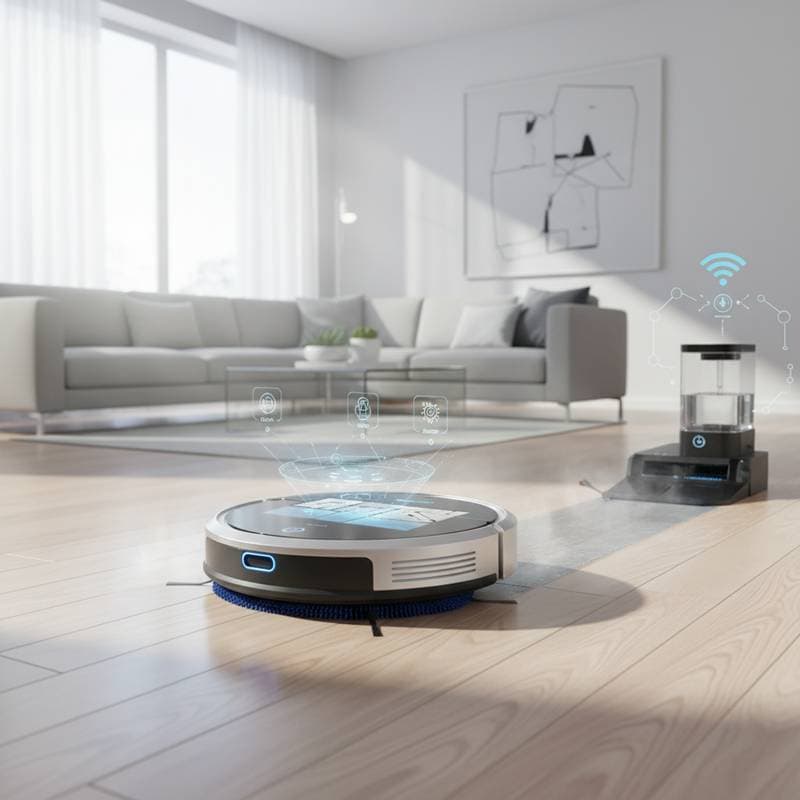
Next-Generation Smart Robot Vacuums: Vacuum, Mop, and Disinfect Seamlessly
Smart homes have evolved into essential components of daily life, and robotic cleaning devices exemplify this progression. These appliances have advanced beyond basic debris collection to perform comprehensive floor care, including vacuuming, mopping, and disinfection, all within a single operation. Such capabilities establish a new standard for household hygiene in an age of interconnected technology.
Contemporary cleaning robots emphasize reliability, sophistication, and sanitation. They merge robust suction mechanisms with controlled moisture application and cutting-edge sterilization methods, such as ultraviolet illumination or ionized water solutions. Consequently, households achieve pristine conditions with reduced manual involvement.
This examination details the functionality of these multifunctional robots, their significance, and anticipated developments in the field.
1. Triple-Action Cleaning Mechanisms
The most significant advancement in robotic floor care involves the integration of vacuuming, mopping, and disinfection into unified operations.
This technology enables a solitary unit to execute dry particle removal, damp surface scrubbing, and microbial elimination during continuous movement. Previously, users relied on interchangeable components or multiple sequential runs for similar results. Current iterations complete these functions simultaneously, which conserves time and guarantees comprehensive coverage.
For instance, devices such as the Roborock S8 Max and Ecovacs Deebot X2 incorporate high-powered aspiration with rotating mop elements and antimicrobial sprays. Certain models deploy ultraviolet-C rays from the undercarriage to neutralize pathogens in real time. This methodology enhances overall sanitation while simplifying household tasks. Users can initiate a full-home cycle via mobile application before departing, only to return to immaculate and sterile surfaces.
To maximize effectiveness, position furniture to allow unobstructed paths and select models with adjustable pressure settings for varied floor materials like hardwood or tile.
2. Precision Navigation and Mapping Capabilities
Effective cleaning demands accurate awareness of the environment, which modern robots achieve through sophisticated localization systems.
These features utilize light detection and ranging sensors, along with visual processing, to generate detailed floor plans and avoid obstacles. Robots memorize layouts over initial runs, enabling efficient route optimization in subsequent sessions. This precision minimizes missed areas and reduces operational duration.
Examples include iRobot Roomba models with camera-based navigation that distinguish between carpets and hard floors for mode transitions. Some systems support multi-floor mapping, allowing seamless adaptation across levels. Homeowners benefit from virtual boundaries set through applications, which confine cleaning to specific zones like kitchens or living areas.
For optimal performance, conduct an initial walkthrough to highlight no-go zones, such as pet areas or delicate rugs, ensuring the robot navigates complex spaces without disruption.
3. Automated Self-Maintenance Stations
Maintenance has long posed a barrier to robotic adoption, but innovative docking solutions address this concern comprehensively.
These stations automatically extract collected waste, cleanse mop attachments, and replenish water supplies upon the robot's return. They often include filtration systems to segregate soiled and fresh liquids, preventing cross-contamination. Such automation supports extended operation periods without frequent user oversight.
The Dreame L20 Ultra and Ecovacs X2 Omni exemplify this with multifunctional bases that employ hot water rinses and air circulation for drying. Users experience prolonged autonomy, as these setups prepare the device for immediate redeployment. This shift positions the robot as an independent operative rather than a device requiring constant attention.
Evaluate base station capacity when selecting a model, particularly in larger homes, to align with cleaning frequency and avoid overflow issues.
4. Seamless Integration with Smart Home Ecosystems
Connectivity elevates robotic cleaners from isolated tools to integral parts of broader automation networks.
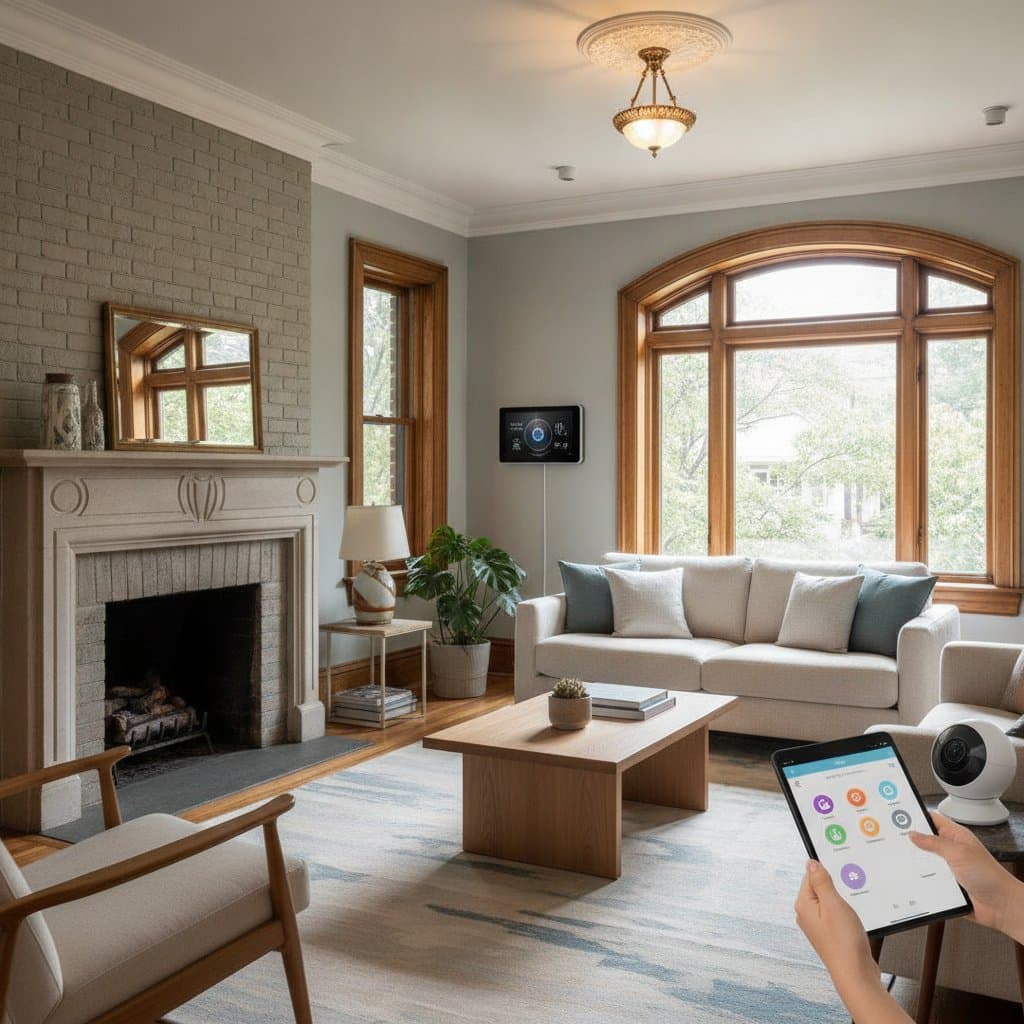
These devices synchronize with platforms like Amazon Alexa, Google Home, or Apple HomeKit, enabling voice-activated commands and synchronized routines. Integration allows coordination with other appliances, such as activating air purifiers post-cleaning or adjusting lights during navigation. This interoperability fosters a cohesive smart environment.
Many models support app notifications for completion status or anomaly alerts, like low battery during a cycle. Compatibility extends to security systems, where cleaning schedules align with occupancy detection. Such features enhance usability for tech-savvy households seeking unified control.
Before purchase, verify protocol support to ensure smooth pairing with existing devices, and test voice commands for reliability in noisy settings.
5. AI-Powered Adaptive Learning
Beyond static programming, these robots employ artificial intelligence to refine operations based on usage patterns.
Algorithms analyze data from each session to predict optimal timing, intensity, and focus areas. They account for variables like household traffic or environmental shifts, such as increased pollen in spring. This learning capability personalizes cleaning to match individual needs.
Certain units propose schedule adjustments via user feedback, while others modulate power output upon detecting concentrated dirt in high-use zones. Over months, performance improves, reducing energy expenditure and wear. This evolution transforms the device into a responsive ally attuned to daily rhythms.
Encourage adaptation by reviewing app analytics periodically and providing input on preferred outcomes, such as prioritizing bathrooms during weekdays.
6. Enhanced Focus on Health and Hygiene
In an era prioritizing wellness, these robots prioritize pathogen reduction alongside surface cleaning.
Disinfection integrates non-toxic agents or physical methods to target bacteria, viruses, and allergens without harsh chemicals. Features like HEPA filtration capture fine particles, improving indoor air quality. This dual approach supports healthier living spaces, especially for families with vulnerable members.
Models equipped with silver ion technology or ozone generation provide ongoing antimicrobial protection. Regular cycles contribute to lower allergen levels, as evidenced by reduced dust accumulation. Users report fewer respiratory issues in treated homes, underscoring the wellness value.
Select units with verifiable sterilization efficacy, and maintain hygiene by scheduling deep cleans weekly to sustain benefits.
7. Commitment to Sustainability and Efficiency
Environmental responsibility influences design, with robots engineered for minimal ecological impact.
Components incorporate recyclable materials, while power management optimizes battery life through intelligent standby modes. Water-efficient mopping dispenses precise volumes based on surface detection, conserving resources. These elements align with broader sustainability objectives.
Brands emphasize long-lasting lithium-ion cells and low-energy motors, reducing overall consumption. Some include solar-assisted charging options for docks. This thoughtful engineering ensures clean homes without compromising planetary health.
Opt for certified eco-models and adopt habits like off-peak scheduling to further amplify green advantages.
8. Modular Designs for Longevity and Customization
Durability receives attention through adaptable architectures that permit component upgrades.
Users replace worn parts like brushes or sensors independently, extending device lifespan. Firmware updates introduce enhancements, such as refined algorithms, without full replacement. This flexibility accommodates technological progress.
Premium lines offer accessory kits for specialized tasks, like pet hair removal modules. Such systems promote cost savings and reduced electronic waste. They empower consumers to tailor functionality over time.
Assess modularity in product specs, and join manufacturer communities for update notifications to leverage ongoing improvements.
Navigating Limitations and Future Prospects
Despite advancements, hurdles persist, including initial costs, upkeep of sanitation elements, and suitability for diverse surfaces.
Premium configurations demand significant investment, though market expansion lowers barriers. Disinfectant reservoirs require periodic refills, and not all models excel on thick carpets. Compatibility with legacy smart setups may vary.
Ongoing innovations address these, with falling prices and broader material support on the horizon. Future iterations may incorporate advanced sensors for real-time air quality monitoring or collaborative multi-robot fleets.
Implementing Your Robotic Cleaning Solution
- Evaluate your environment: Identify floor varieties and obstacles to match robot capabilities.
- Prioritize connectivity: Select units compatible with your smart home infrastructure.
- Examine upkeep features: Favor models with automated docks to minimize effort.
- Assess sanitation options: Choose between light-based or solution-free methods per your needs.
- Establish routines: Leverage application interfaces for customized, automated schedules.
Adopting these technologies yields transformative benefits: time savings, superior sanitation, and sustained home wellness. They empower focus on meaningful pursuits while maintaining impeccable spaces effortlessly.