Effortless Overnight Meal Preparation in Smart Kitchens
Picture this scenario: you awaken to the aroma of warm bread, a chilled smoothie in the refrigerator, and a neatly portioned lunch ready to go. Contemporary smart kitchens progress beyond isolated devices to form integrated systems that operate silently during the night. Automation, advanced sensors, and predictive algorithms replace manual morning efforts with efficient, hands-free processes.
Automated meal preparation represents a practical advancement in residential technology. These kitchens adapt to user preferences, oversee ingredient supplies, and execute cooking tasks with accuracy while occupants rest. The outcome delivers a harmonious blend of ease, nutritional focus, and innovative functionality.
Challenges of Conventional Meal Preparation
In numerous households, preparing meals constitutes a burdensome task amid professional obligations, household chores, and family commitments. Traditional appliances demand significant time investment and foresight. Consequently, leftovers often spoil, fresh produce wastes away, and the persistent query of evening meals persists unresolved.
Individuals frequently resort to external food services or processed options for expediency, which compromises ingredient quality and dietary oversight. Innovators have long addressed these shortcomings by developing adaptable systems capable of managing diverse recipes, varying components, and personal tastes. Current smart kitchen frameworks achieve this equilibrium through automated operations and machine learning capabilities.
Emergence of the Overnight Kitchen Concept
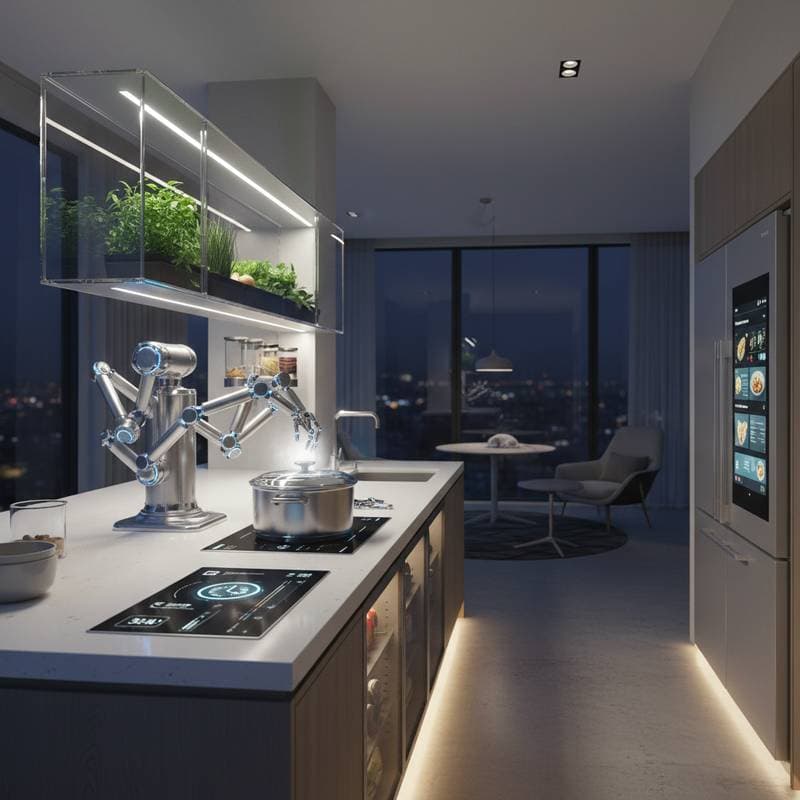
The overnight kitchen operates on the principle that food assembly occurs during periods of user inactivity, such as nighttime hours. Coordinated appliances execute planning, cooking, and preservation with limited human intervention. Intelligent refrigerators monitor stock levels, programmable ovens initiate timed sequences, and mechanical assistants perform detailed actions like slicing or mixing.
Leading firms in automation and robotics commit substantial resources to these developments. Countertop units now execute complex procedures, such as searing produce or achieving precise protein doneness. Advanced storage solutions automate replenishment orders or propose recipes utilizing existing supplies. The emphasis rests on synchronizing with daily calendars, health objectives, and resource availability to foster operational efficiency.
Essential Technologies Enabling Overnight Cooking
1. Robotic Cooking Units
These versatile devices manage diverse culinary operations, including sauce agitation and batter inversion. Embedded sensors evaluate thermal levels, material consistency, and duration to ensure uniform outcomes. Modern iterations incorporate digital recipe libraries, accessible via mobile applications for evening selections.
By dawn, selections like customized egg wraps or soaked grain mixtures stand prepared, maintained at optimal temperatures. Such precision liberates users from stovetop supervision, appealing especially to those with demanding schedules or familial morning demands. Integration with voice commands further streamlines setup, allowing bedtime instructions for autonomous execution.
2. AI-Powered Recipe Optimization
Integrated into ovens, combination cookers, and rapid heaters, expansive recipe repositories automatically calibrate durations and heat settings. Linked with digital assistants or smartphone interfaces, these tools generate weekly menus encompassing procurement, assembly phases, and nocturnal operations. Select a balanced routine, and the platform assembles shopping requirements alongside timed preparations.
Systems evolve through analysis of usage data and adjustments. Persistent exclusions, such as specific vegetables or reduced seasonings, prompt modifications. This adaptive framework aligns culinary outputs with authentic preferences, surpassing standardized templates for tailored results.
3. Integrated Inventory Management
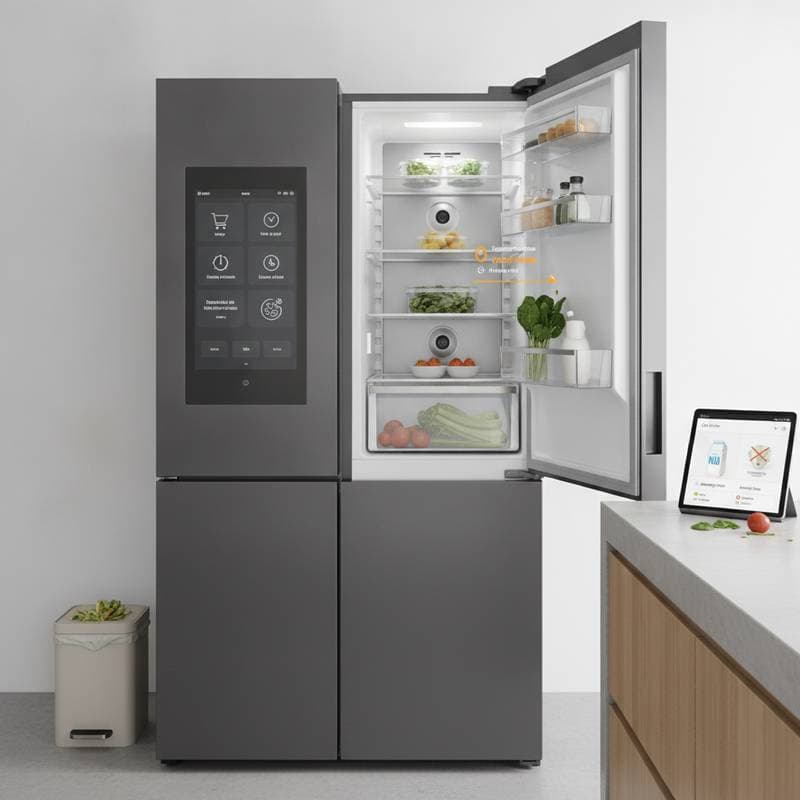
Intelligent refrigeration and storage units serve as central coordinators. They assess product viability, monitor shelf lives, and suggest preparations to utilize nearing-expiry items. Direct lines to cooking apparatus enable scheduled nocturnal activities; for example, detecting poultry readiness triggers extended simmering for subsequent midday servings.
Such interplay diminishes spoilage, controls expenditures, and constructs dishes from on-hand materials. Food oversight shifts from active deliberation to passive oversight, alleviating cognitive strain in routine management.
4. Advanced Thermal Regulation
Precise temperature management marks a pivotal evolution in automated environments. Ovens and surface heaters sustain designated levels over extended periods, complemented by swift-cooling preservation compartments. This capability supports nocturnal assembly followed by quality preservation until consumption.
Consider programming a multi-layer morning dish to commence at midnight, transition to cooling at first light, and await brief warming upon rising. These mechanisms preserve superior standards comparable to professional venues while optimizing temporal resources.
5. Automated Sanitation and Upkeep
Post-preparation tidiness remains essential for user satisfaction. Advanced washers, antimicrobial work surfaces, and self-purging cookers maintain hygiene standards. Floor cleaners and spill-detection sensors activate independently to restore order.
These elements ensure the overnight process concludes without residual disorder, promoting a fully autonomous cycle that extends restful periods into seamless mornings.
Significance of Overnight Kitchen Systems
Central advantages include restored personal hours, streamlined dawn activities, and reliable dietary adherence. These innovations reshape perceptions of sustenance and residential architecture. A survey among appliance adopters reveals over fifty percent desire independent operation during idle times, signaling automation's integration into normative practices.
Sustainability gains emerge from optimized resource use and diminished discards. Accurate thermal applications prevent overcooking incidents and curtail energy demands. Aggregated across widespread adoption, these practices yield substantial ecological impacts.
Practical Implementations Shaping the Landscape
Innovative enterprises introduce components toward comprehensive automation.
- Automated Culinary Robots: These integrate heating elements, mechanical manipulators, and algorithmic guidance. Evening programming yields complete assemblies without oversight.
- Intelligent Heating Devices: Recognition technology identifies contents and self-adjusts parameters, syncing with digital planners for extended low-heat processes.
- Vocal Directive Coordinators: Single utterances orchestrate appliance sequences, from inventory checks to sequential activations.
- Synchronized Supply Networks: Aligned deliveries match projected needs, curbing excess and upholding quality.
Collectively, these elements construct anticipatory environments that fulfill requirements proactively.
Balancing Automation with Culinary Enjoyment
Mechanized processes address tedium, preserving opportunities for innovation. Users direct energy toward taste exploration, presentation, or communal engagement over preparatory labors. These aids augment rather than supplant culinary pursuits, elevating home-based endeavors.
Adoption hurdles encompass expense, interoperability, and reliability. Privacy apprehensions and preferences for manual involvement persist. Developers prioritize clarity, security protocols, and override options, including disconnected modes for enhanced assurance.
Evolving Kitchen Configurations
Spatial designs adapt to technological integration. Planners incorporate flexible modules that consolidate functions in reduced footprints. Surfaces embed heating zones, while structural elements house dispensers or appendages.
Ambient enhancements, such as gradual illumination synced to completion cues or ambient audio selections, enrich the interface. The space evolves into an intuitive domain merging utility with sensory appeal.
Advancing Personalized Kitchen Ecosystems
Future developments emphasize customization and cohesion. Interconnected networks derive insights from behavioral patterns to refine operations. Alignments with wellness targets and temporal frameworks dictate nocturnal behaviors, yielding progressively intuitive interactions.
Entry-level adoption starts with singular devices matching existing workflows, such as networked heaters or planning software. Beyond temporal savings, these systems foster intentional living through reduced pressures, enhanced wellness, and invigorated beginnings. The considerate kitchen anticipates, executes, and elevates everyday nourishment.