The Evolution of Intelligent Kitchen Appliances
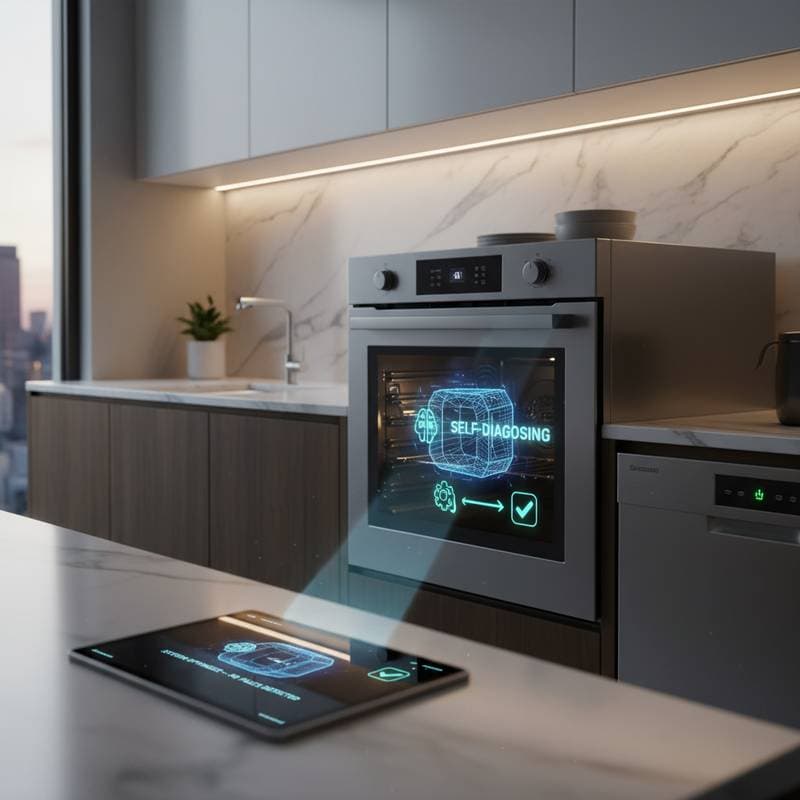
Home kitchens undergo a transformation as smart technology integrates deeper into daily life. Traditional ovens required manual troubleshooting for issues like uneven heating or sensor failures. Now, self-diagnosing models employ artificial intelligence to monitor performance continuously and respond proactively.
This shift stems from broader trends in the Internet of Things, where devices communicate internally to maintain optimal function. Manufacturers embed multiple sensors to track temperature fluctuations, power usage, and mechanical wear. When anomalies appear, the oven's software analyzes data patterns against established norms to pinpoint the cause.
Users benefit from alerts delivered via smartphone apps, detailing the issue and suggested resolutions. In many cases, the appliance attempts basic corrections, such as recalibrating heating elements or resetting controls, without human input. This capability extends appliance longevity and fosters a more reliable cooking environment.
Core Technologies Powering Self-Diagnosis
At the heart of these ovens lie sophisticated sensor arrays that detect subtle changes in operation. Thermistors measure internal temperatures with precision, while vibration sensors identify unusual motor activity. Current sensors monitor electrical draw to flag inefficiencies early.
Artificial intelligence processes this influx of data through machine learning algorithms trained on vast datasets of appliance behaviors. The system compares real-time inputs to historical performance profiles, achieving diagnostic accuracy rates above 90 percent in leading models. Cloud connectivity allows firmware updates that refine these algorithms over time.
Integration with home automation platforms enhances functionality further. For instance, if an oven detects a gas leak risk, it can interface with smart vents to improve airflow or notify emergency services. Such layered safeguards ensure safety alongside convenience.
Real-World Examples of Self-Diagnosing Ovens in Action
Consider a popular model from a leading brand that features built-in diagnostic cycles. During a routine self-check, it identifies a misaligned door seal causing heat loss. The oven prompts the user to realign the seal via an app-guided tutorial, or in advanced versions, it adjusts cooking parameters to compensate temporarily.
Another example involves predictive maintenance for heating coils. Sensors track degradation over months of use and predict failure timelines. The appliance then orders replacement parts automatically through partnered services, scheduling technician visits before disruptions occur.
Users report fewer service calls after adopting these ovens. One homeowner shared that their device resolved a thermostat glitch overnight by running a calibration routine, restoring even baking results by morning. These instances highlight practical reliability in everyday scenarios.
Extending Benefits to Other Smart Appliances
Self-diagnosis extends beyond ovens to create cohesive smart kitchens. Dishwashers equipped with similar technology scan for clogs in drainage lines using ultrasonic sensors. Upon detection, they initiate reverse flushing cycles to dislodge debris, often resolving the problem without disassembly.
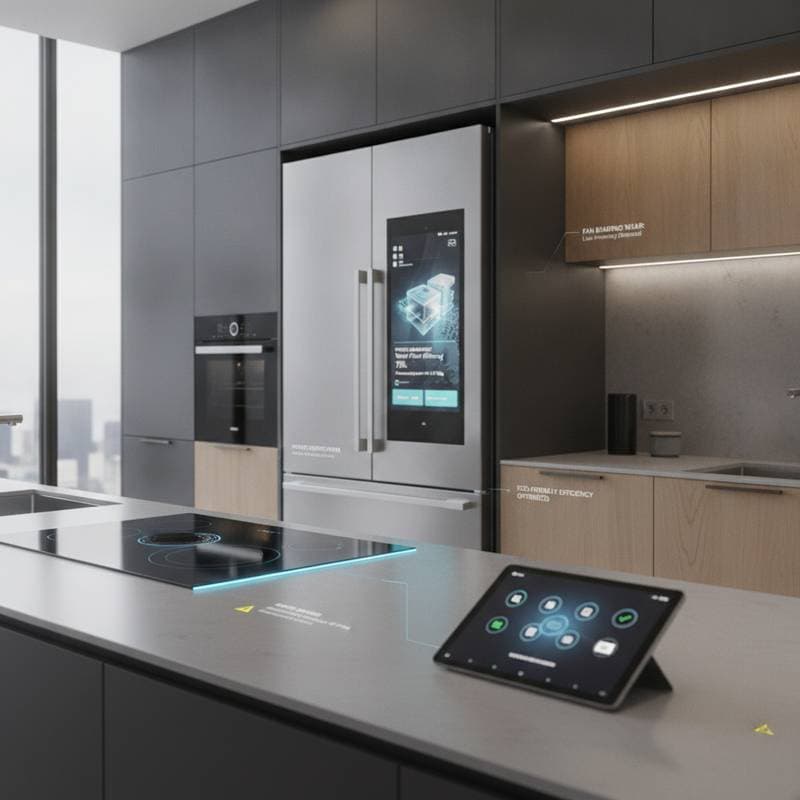
Refrigerators monitor compressor strain and door seal integrity, alerting users to frost buildup or cooling inconsistencies. These appliances form a network where one device's insight informs others, such as an oven signaling a refrigerator to preheat ingredients based on detected usage patterns.
This interconnected ecosystem minimizes overall household maintenance. Families experience seamless operation, with appliances collaborating to optimize energy use and prevent cascading failures across the kitchen suite.
Key Advantages for Homeowners
Adopting self-diagnosing ovens yields tangible savings on repair expenses, which average several hundred dollars per incident for conventional models. Preventive actions reduce the frequency of professional interventions by up to 50 percent, according to industry analyses.
Time efficiency improves as diagnostics occur in the background, freeing users from constant monitoring. Enhanced safety features, like automatic shutoffs for detected faults, provide peace of mind in busy households.
Environmentally, these appliances contribute to sustainability by extending product lifespans and optimizing energy consumption. Less waste from premature replacements aligns with eco-conscious living standards.
Selecting the Right Self-Diagnosing Oven
When choosing a model, evaluate sensor density and AI processing power. Look for ovens with at least five integrated sensors and compatibility with major voice assistants for hands-free diagnostics.
Review warranty terms, which often include remote troubleshooting support. Prioritize brands with strong app ecosystems that offer detailed logs and predictive alerts.
Budget considerations should balance upfront costs against long-term savings. Entry-level self-diagnosing ovens start around 800 dollars, while premium units with full automation exceed 2000 dollars.
The Future of Autonomous Kitchen Maintenance
Advancements in edge computing will enable even faster onboard processing, reducing reliance on cloud services. Integration with augmented reality could allow users to visualize repairs through app overlays on the physical device.
As adoption grows, standardized protocols may emerge for cross-appliance diagnostics, creating truly unified smart homes. Researchers explore bio-inspired AI that mimics human intuition for more nuanced problem-solving.
These developments promise kitchens that anticipate needs, adapting to user habits and environmental factors with increasing sophistication.
Realizing Efficiency Gains in Your Kitchen
Self-diagnosing smart ovens represent a pivotal step toward effortless home management. They deliver reliability that matches professional oversight while fitting seamlessly into modern lifestyles.
Homeowners who invest in these technologies unlock substantial value through durability and convenience. The result is a kitchen that operates at peak performance, supporting daily routines with minimal oversight and maximum results.