Smart Appliances Reduce Energy Bills by Up to $200 Monthly Through Grid Synchronization
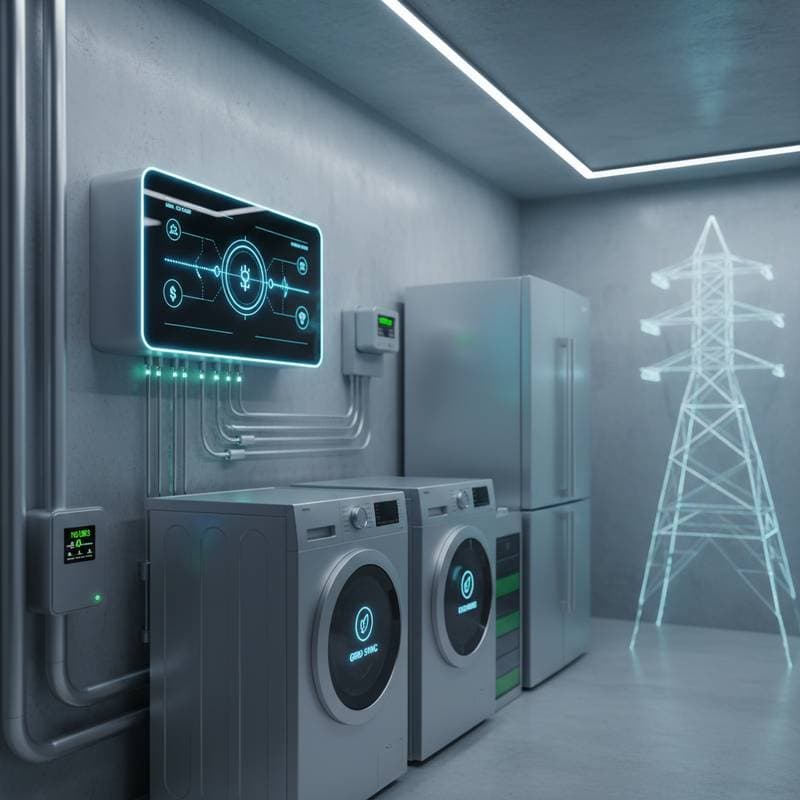
Smart homes evolve from conveniences to essential systems, particularly in energy management. Appliances such as refrigerators, washing machines, and heating, ventilation, and air conditioning units now interact directly with the power grid. This interaction, known as grid synchronization, enables devices to modify their energy consumption in real time according to grid needs. Consequently, users experience reduced electricity bills, enhanced environmental impact, and potential monthly savings of approximately $200.
Understanding the Transition to Intelligent Energy Management
Electricity rates vary throughout the day, with higher costs during peak demand periods when multiple households draw power simultaneously. Conventional appliances operate without regard to these fluctuations, leading to elevated expenses. Grid-synchronized smart appliances address this by rescheduling operations to align with periods of lower rates and greater availability of renewable energy sources.
Surveys from the appliance sector indicate that over 50 percent of households equipped with smart thermostats or networked devices observe significant energy reductions within initial months of use. This trend highlights a broader recognition that effective energy strategies emphasize timing over mere reduction in usage.
Mechanics of Grid Synchronization
Grid synchronization links household appliances to utility networks via protected cloud platforms. In instances of elevated grid demand, utilities transmit signals to compatible devices. These devices respond by postponing cycles, reducing power output, or utilizing backup battery storage. Operations resume fully when demand decreases.
Consider a synchronized dishwasher that pauses until grid conditions improve, or a smart water heater that heats during times of abundant renewable generation. Homeowners require no manual intervention, yet they gain from lower tariffs and possible utility rebates.
Financial Advantages for Households
With escalating energy prices, minimizing usage during high-cost intervals proves essential for budget control. Participants in demand-response initiatives frequently earn payments or credits for permitting automatic adjustments in appliance activity. For homes with several interconnected devices, these benefits accumulate to roughly $200 in monthly savings.
Such participation also bolsters overall grid dependability. Coordinated responses from numerous households help utilities prevent outages and lessen dependence on non-renewable energy. This shared effort fosters a more robust infrastructure benefiting all consumers.
Practical Implementation in Modern Homes
Leading manufacturers including GE, LG, and Samsung develop appliances with built-in grid communication features. These products adjust functions dynamically while respecting user settings. For example, a networked washing machine initiates cycles during renewable energy surges, promoting both cost efficiency and ecological responsibility.
Many utilities provide mobile applications to monitor earned credits from demand responses. Users review contributions to grid balance and corresponding financial gains, making energy oversight an engaging and informative process.
Core Technologies Driving Grid Synchronization
Grid synchronization relies on machine learning algorithms, predictive data analysis, and robust security measures. Systems analyze patterns from vast household datasets to anticipate demand and implement adjustments. Despite the advanced underpinnings, the interface for users remains intuitive; individuals specify parameters such as laundry completion times or minimum temperature thresholds, and the technology handles subsequent optimizations.
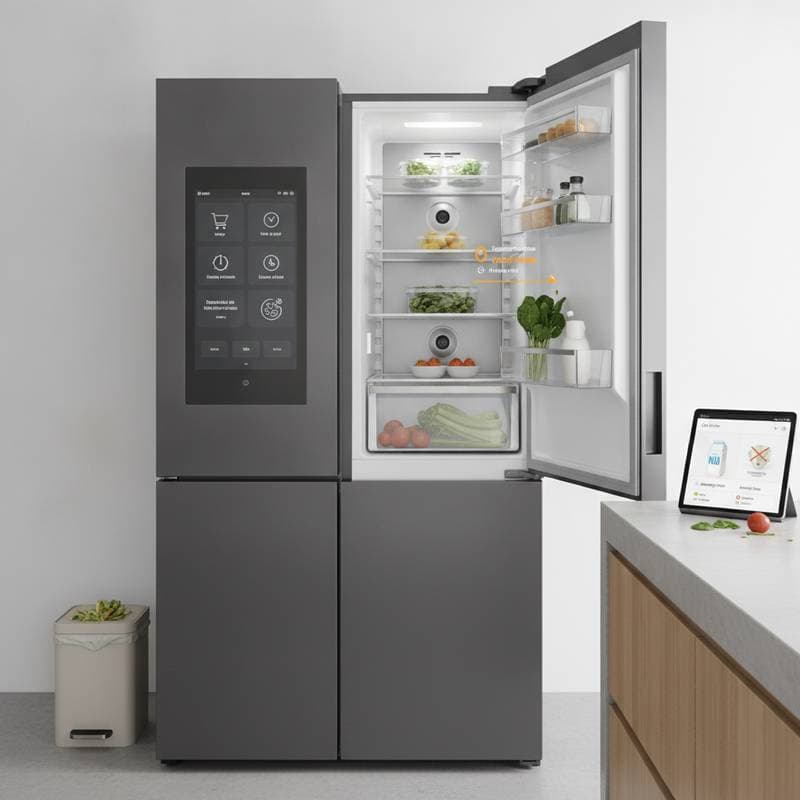
Standards like Matter facilitate seamless integration across devices. A smart refrigerator, thermostat, and electric vehicle charger operate in unison, avoiding fragmented systems. This unified approach encourages wider use by prioritizing ease over technical hurdles.
Environmental Impacts of Synchronized Appliances
Beyond monetary gains, grid-synchronized devices lower carbon footprints by aligning consumption with renewable energy availability. During peak solar or wind production, appliances increase activity to maximize clean power utilization. In contrast, they reduce operations during fossil fuel-dominant periods, alleviating grid strain.
This strategic alignment advances broader sustainability objectives. Households contribute directly to reduced emissions through routine activities like delayed laundry or proactive cooling, yielding substantial collective environmental progress.
Challenges and Solutions in Adoption
Grid synchronization encounters obstacles, including device compatibility and concerns over data privacy or loss of control. Demand-response programs typically permit flexible enrollment and withdrawal. Producers enhance user trust by detailing adjustment protocols and timings.
Initial purchase prices for smart appliances exceed those of basic models, yet payback occurs rapidly via savings and incentives. As market penetration increases, costs decline, broadening access to these technologies.
Embracing Grid-Synchronized Home Operations
Picture a residence that autonomously refines energy patterns during the night. The water heater activates in low-demand slots to cut expenses. The dishwasher finishes using inexpensive solar power. The thermostat maintains ideal conditions through grid-informed decisions. Without additional effort, bills decrease, and the home aids a sustainable energy framework.
This scenario materializes in areas with strong utility-home integrations. Expanded device connectivity strengthens grid affordability and stability for entire communities.
Steps to Integrate Grid Synchronization
Incorporate grid-synchronized appliances to lower costs and support environmental goals effectively. When selecting new equipment, seek certifications for grid readiness or demand-response features. Verify utility programs offering credits for involvement. Begin with upgrades like thermostats or water heaters to initiate savings.
This technology reshapes home management by forging connections among devices, residences, and energy systems. Individual actions yield communal advantages, establishing grid synchronization as a foundational element of future energy practices.