Understanding Smart Mirrors and Their Role in Wellness
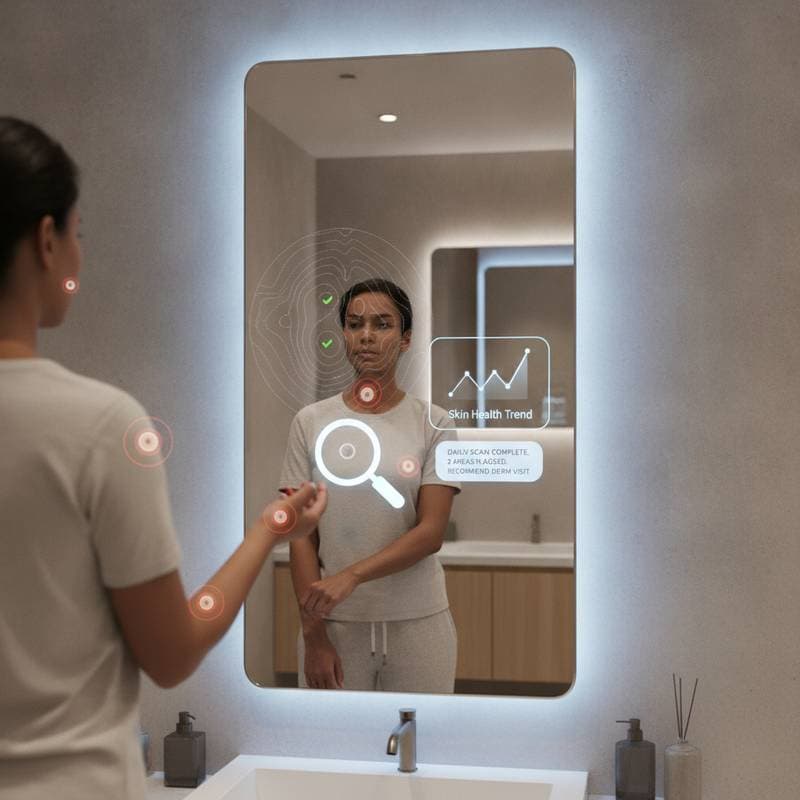
Smart mirrors represent a fusion of technology and personal care. These devices go beyond traditional reflection by incorporating sensors and artificial intelligence to examine the skin in detail. Users receive immediate feedback on various aspects of their health, making the mirror a central hub for daily wellness.
The concept builds on advancements in dermatology and computer vision. Early prototypes focused on cosmetic analysis, but modern versions expand into holistic health tracking. This evolution positions smart mirrors as essential tools for proactive self-care.
The Technology Behind Skin Analysis
At the core of a smart mirror lies multispectral imaging technology. This method captures light across different wavelengths to penetrate the skin's surface layers. It reveals information invisible to the naked eye, such as collagen density and vascular patterns.
Artificial intelligence processes these images through machine learning algorithms trained on vast datasets of skin conditions. The system compares user data against benchmarks to generate accurate reports. Integration with companion apps allows for trend tracking over time, providing a longitudinal view of skin health.
Sensors embedded in the frame measure environmental factors like humidity and temperature, which influence skin condition. This comprehensive approach ensures that analyses account for external variables, leading to more reliable results.
Key Health Signals Detected by Smart Mirrors
Hydration Levels
Dehydration affects skin elasticity and appearance, often signaling broader bodily imbalances. Smart mirrors assess hydration by analyzing moisture content in the epidermis. They detect subtle changes in skin texture and reflectance that indicate low water retention.
Users learn specific hydration scores, often presented as percentages. For instance, a score below 40 percent might prompt recommendations for increased water intake or humectant-based products. This feature helps prevent issues like dryness and premature aging.
Stress Indicators
Chronic stress manifests in the skin through inflammation and uneven tone. Mirrors identify these signs by scanning for elevated cortisol-related markers, such as dilated blood vessels or micro-flare patterns. The AI correlates these with known stress responses in dermatological research.
Reports include stress level categorizations, from low to high, with suggestions for relaxation techniques. Tracking over weeks reveals patterns linked to lifestyle factors, empowering users to address root causes effectively.
Early Health Indicators
Beyond skincare, smart mirrors flag potential systemic issues. Yellowing in the eyes or sclera might suggest liver strain, while pallor could indicate anemia. The device uses color analysis and pattern recognition to highlight these anomalies without diagnosing.
Integration with wearable data, if available, enhances accuracy. For example, combining skin readings with heart rate variability from a fitness tracker provides a fuller picture of cardiovascular health. Users receive alerts to consult professionals for persistent signals.
Integrating Smart Mirrors into Daily Routines
To maximize benefits, position the mirror in a well-lit bathroom for optimal scans. Begin each morning with a 30-second analysis session. The device prompts users through the process, ensuring consistent positioning for reliable data.
- Stand directly in front of the mirror at eye level.
- Follow on-screen instructions to capture images from multiple angles.
- Review the generated report via the app, noting key metrics like hydration and stress scores.
- Apply recommended adjustments, such as targeted serums or breathing exercises.
Customization options allow users to set goals, such as improving hydration over a month. The mirror syncs with smart home systems to adjust lighting or play calming audio during sessions, enhancing the experience.
Practical Benefits for Long-Term Wellness
Adopting a smart mirror fosters a data-driven approach to health. Regular use builds awareness of how diet, sleep, and environment impact the skin, leading to informed lifestyle changes. Many users report improved skincare adherence and reduced dermatologist visits.
The technology democratizes access to professional-level analysis. It empowers individuals to monitor subtle shifts that might otherwise go unnoticed, promoting early intervention. In a broader sense, smart mirrors contribute to preventive healthcare, aligning personal routines with evidence-based practices.
As these devices evolve, expect deeper integrations with telemedicine platforms. This progression will further bridge the gap between home monitoring and medical expertise, offering sustained value for wellness enthusiasts.