Smart Mirrors Enable Real-Time Health Monitoring at Home
Homeowners increasingly integrate smart devices into daily life, with nearly half possessing at least one such tool. The bathroom, once sidelined in smart home advancements, now emerges as a key space for wellness innovation. Smart mirrors lead this shift by capturing health data, observing skin variations, and identifying potential health concerns early. These devices convert routine moments into opportunities for informed self-care.
The Mechanics of Health Detection in Smart Mirrors
A smart mirror resembles a standard one at first glance, yet it incorporates sensors, cameras, and algorithms to evaluate health markers. It examines facial hue to estimate heart rate via minute color shifts and gauges hydration through skin analysis. Advanced models link with smart scales, electric toothbrushes, or exercise applications for a holistic daily health overview.
These mirrors excel by pinpointing subtle early indicators. Alterations in skin texture or color may signal stress, exhaustion, or poor circulation. Facial scans can reveal asymmetries that suggest neurological concerns, prompting timely professional review. Thus, the mirror serves as an vigilant health companion, noticing details overlooked by casual observation.
Positioning the Bathroom as a Wellness Center
The bathroom suits this technology perfectly, as individuals begin and conclude their days there, typically facing a mirror. Embedding health assessments into these habits proves seamless and unobtrusive. Smart mirrors integrate naturally, delivering guidance during tasks like teeth brushing or face washing.
Designers pair these mirrors with complementary bathroom features. A unit measuring skin moisture might signal a linked shower to optimize water temperature for better hydration. It could also coordinate with adjustable lighting to align with natural sleep-wake cycles. This synergy forms a comprehensive wellness network that nurtures both body and mind.
Trend 1: Instant Physiological Analysis
Real-time health scanning defines contemporary smart mirrors through high-definition cameras and optical sensors. These tools capture heart rate, respiration, and blood oxygen saturation with precision. Data processing occurs swiftly, providing users with prompt results.
Such ongoing surveillance facilitates proactive responses. Persistent signs of fatigue or irregular metrics trigger suggestions to rest, drink water, or consult a physician. Certain mirrors connect to telemedicine services, enabling data sharing in remote appointments.
Consider a model employing sensors akin to those in fitness bands, but enhanced by broader facial coverage for superior reliability. It evaluates blood flow patterns and generates comprehensive reports in moments, all without additional gadgets.
Trend 2: Advanced Skin Condition Tracking
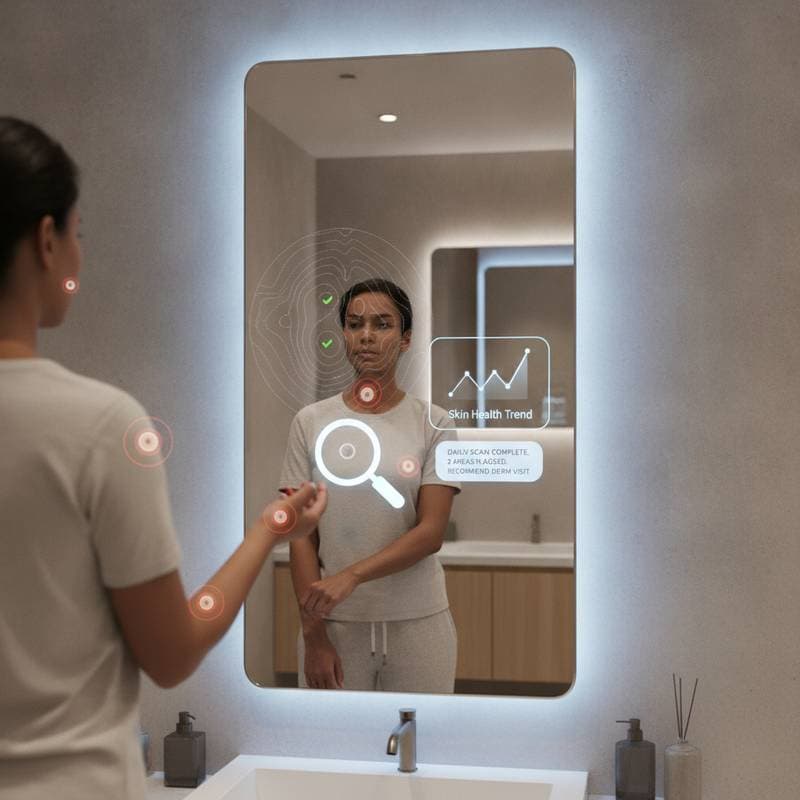
Skin serves as an initial barometer for overall health equilibrium. Modern smart mirrors scrutinize pore size, identify acne, and log cumulative sun exposure. They propose tailored skincare regimens, product selections, or notifications about evolving moles.
Picture a mirror alerting to sun-induced damage or dehydration, recommending sunscreen application. It might detect heightened inflammation and advise on fluid intake or nutrition tweaks. These capabilities merge cosmetic enhancement with medical vigilance.
Beauty technology firms partner with skin specialists to validate their detection methods clinically. Consequently, recommendations extend beyond appearance to flag potential health risks that require attention.
Trend 3: Unified Health Data Displays
Smart mirrors function as centralized wellness interfaces, aggregating inputs from wearables, sleep trackers, and body composition devices. They compile this information into a user-specific profile tracking behaviors and advancements over time.
This consolidation turns scattered metrics into coherent stories. Users view their status via a morning glance, avoiding multiple application switches. Simplified visuals aid in spotting correlations, like stress impacts on complexion or water intake effects on vitality.
Effective displays promote sustained habits. Progress visualizations motivate adherence, while alerts encourage prompt changes. The system shifts from mere observation to active encouragement.
Trend 4: Seamless Smart Home Connectivity
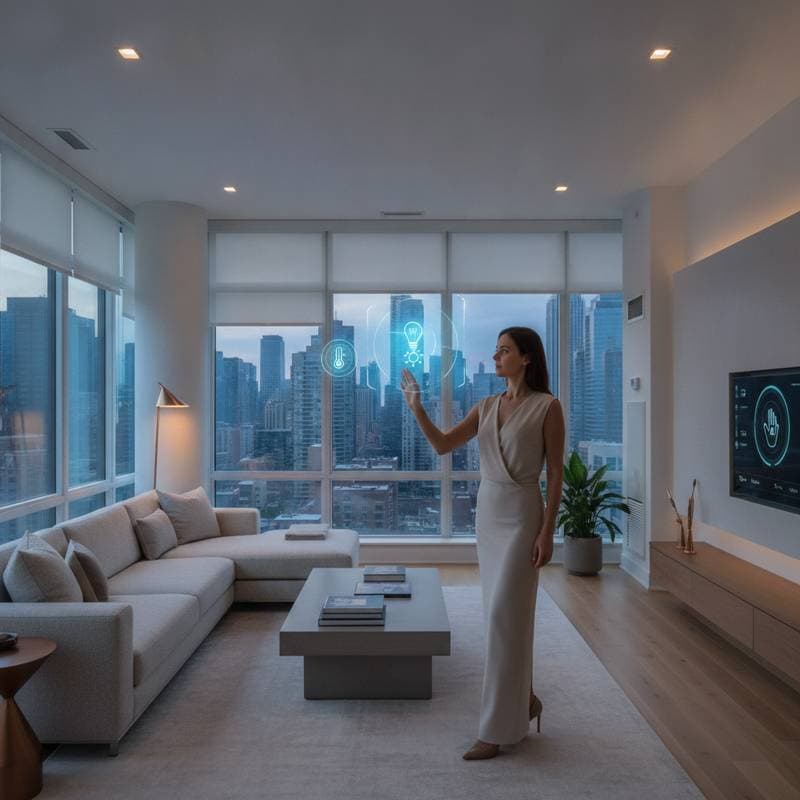
Compatibility with broader smart home networks, including voice controls, illumination, and environmental regulators, enhances smart mirrors. Health observations can initiate automatic adaptations, such as softening lights or queuing relaxation audio upon detecting fatigue.
Cross-device dialogue ensures cohesion. Emerging standards allow brand-agnostic interactions, fostering fluid operations. A bathroom mirror may align with a bedroom purifier for better rest or a kitchen panel for meal ideas addressing stress indicators.
As protocols advance, expect refined inter-device exchanges. The mirror evolves into a pivotal element in a responsive home that anticipates and accommodates user needs.
Trend 5: Prioritizing Data Security and Ethics
Health data collection demands robust privacy measures, which smart mirror creators address through on-device processing and encryption. Many units handle analyses locally, minimizing cloud transmission vulnerabilities.
Clear controls empower users to manage stored information, including options to share, retain, or erase it. Physical toggles deactivate sensors when idle, enhancing security. Ethical approaches balance utility with protection.
Experts forecast that confidence in data handling will propel market growth over isolated innovations. Transparent safeguards position the mirror as a trusted ally rather than an intrusive observer, fostering long-term user commitment.
Trend 6: Broadening Access for Daily Integration
Initially positioned as premium offerings for upscale residences or retreats, smart mirrors now reach more households through scaled manufacturing and cost reductions. User-friendly designs accelerate acceptance.
Interfaces feature gesture-based navigation, audio cues, and straightforward graphics suitable for diverse age groups. For seniors or those with ongoing health needs, they offer discreet oversight without intricate configurations.
Medical organizations consider deploying these in facilities or public venues. This expansion democratizes preventive health tools, potentially reshaping community-wide care practices.
Integrating Smart Mirrors into Routine Health Practices
Smart mirrors embed wellness seamlessly into habitual actions, eliminating reliance on separate trackers or appointments. Health checks occur amid grooming tasks, rendering the process intuitive.
Envision a dawn assessment revealing suboptimal hydration and elevated tension. The mirror recommends a balanced meal and brief exercise. Evening reviews might note skin aridity, urging increased water consumption. This gentle guidance elevates daily health without disruption.
In households, multi-profile support benefits all members. Parents monitor juvenile rest patterns, while elders track vital trends. The device acts as a collective wellness resource aligned with family objectives.
Advancing Toward Diagnostic Capabilities
Future developments will transition smart mirrors from wellness oversight to targeted prevention. Experimental prototypes identify nascent respiratory, heart, or metabolic anomalies via facial dynamics, thermal variations, and reflectance analysis.
Early identification promises lower medical expenses and superior results through swift action. Users gain cues to pursue expert evaluation before overt symptoms emerge. The mirror's function broadens to encompass detection and advisory roles.
Collaborations between tech developers and healthcare entities will refine these features under regulatory oversight. The aim remains augmentation of professional services with user-informed vigilance.
Core Principles of Smart Mirror Design
Successful smart mirrors harmonize with surroundings, emphasizing refined aesthetics, instinctive controls, and understated operations. Technology recedes into the background, spotlighting tangible advantages.
Gesture and voice interactions maintain hygiene, activated by queries like "Assess my condition today" for wellness summaries. Adaptive illumination syncs with daylight rhythms to bolster mood and alertness. This setup reimagines the bathroom as a dedicated health sanctuary.
Addressing Limitations and Unlocking Opportunities
Accuracy challenges persist, influenced by ambient light, motion, or device calibration. Developers refine algorithms for environmental adaptability, ensuring dependable outputs.
Engineering complexities and integration costs pose barriers, though rising demand lowers prices via efficiencies. Standardized protocols will simplify multi-brand setups.
Applications extend to hospitality, fitness facilities, and corporate settings for tailored wellness. This versatility hints at transformative impacts on personal and group health initiatives.
Steps to Adopt Smart Mirrors for Enhanced Wellness
Prospective buyers should define priorities, such as skincare focus prompting selections with superior imaging and analysis. Evaluate compatibility with existing devices for optimal integration. Begin with models offering customizable alerts to match lifestyle needs. Regular firmware updates ensure evolving accuracy and features. Through deliberate choice, smart mirrors become enduring partners in sustained health improvement.