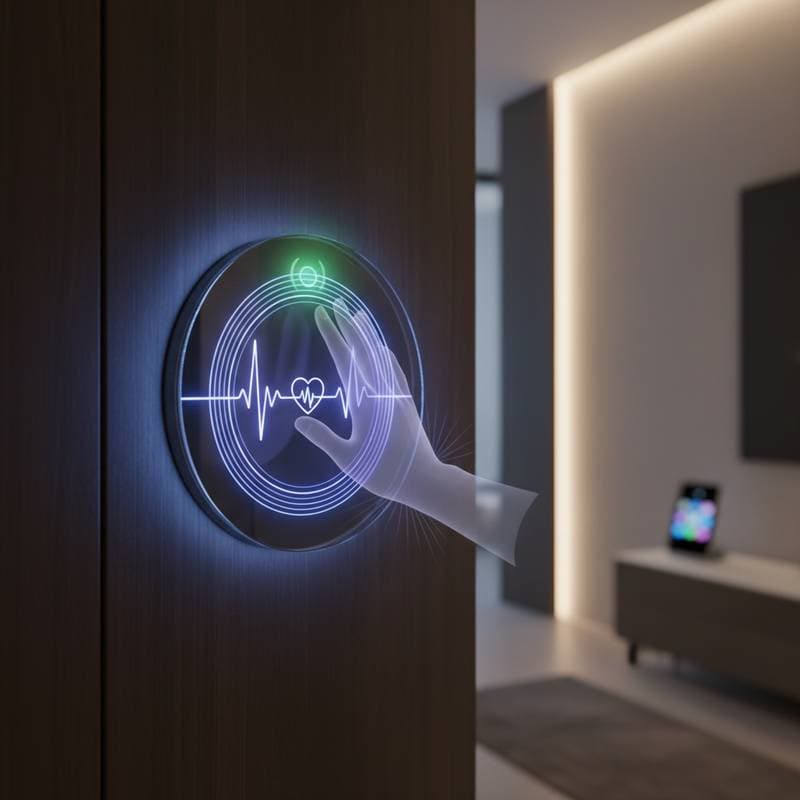
Smart Locks Unlock via Your Heartbeat Signature
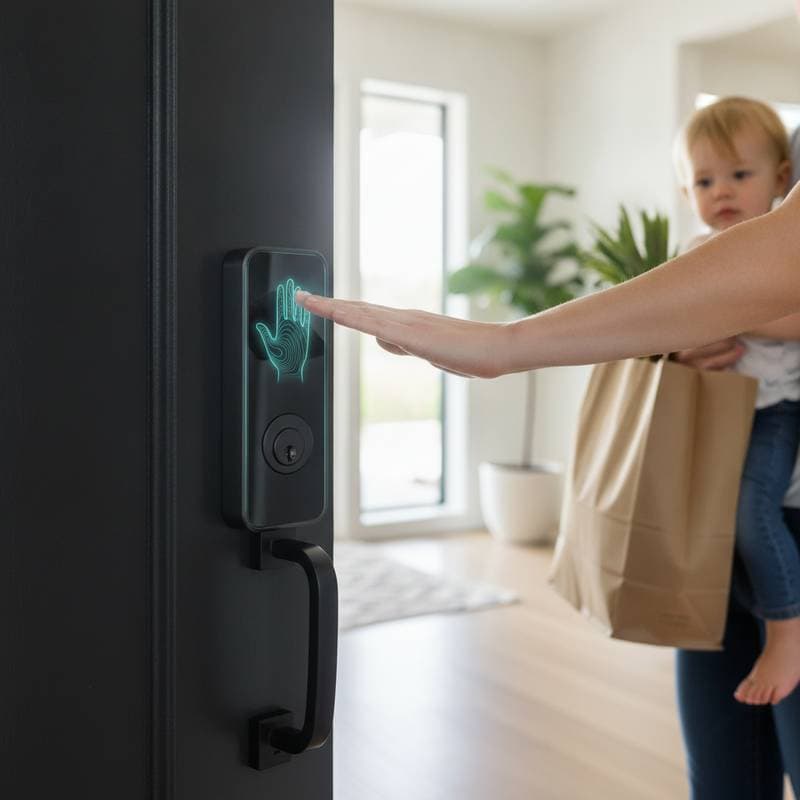
Smart homes evolve rapidly, and a compelling innovation uses the heartbeat as an access key. Biometric smart locks that identify individual heartbeat signatures transition from laboratory prototypes to practical tests. These systems deliver security and personalization that surpass fingerprint or facial recognition methods. Users approach the door, touch the handle, and the lock opens instantly upon detecting the heart's unique rhythm.
This technology combines convenience, privacy, and precision. Each person's heartbeat pattern proves as distinctive as a fingerprint yet resists forgery more effectively. Such systems redefine keyless entry by enabling homes to identify occupants through internal biological signals.
The Rise of Biometric Smart Locks
Biometric security integrates into daily routines. Smartphones unlock via facial scans, computers via fingerprints, and voice systems via specific vocal patterns. This principle now applies to physical access points. Smart locks progressed from PIN entry and app controls to fingerprint and facial verification. The current advancement involves internal signals like heartbeat patterns.
Sensors in door handles, panels, or wearables detect electrocardiogram (ECG) signals, the electrical impulses of the heart. The system matches these signals against a stored user profile in seconds. Unlike replicable passwords or fingerprints, heartbeat signals originate internally and vary subtly over time, enhancing resistance to duplication.
Why Heartbeat Authentication Matters
Conventional locks depend on possessions like keys or devices. Biometrics introduce inherent traits such as fingerprints or facial features. Heartbeat authentication employs a living internal rhythm that persists only during life, establishing it as a highly secure verification method.
Studies indicate rising acceptance of biometrics. Homeowners increasingly rely on smart locks for ease and protection. Surveys reveal growing interest in advanced options. Users seek security that integrates seamlessly, and heartbeat detection provides this by eliminating manual inputs like codes or applications.
How It Works in Everyday Life
Consider returning home after work. Touch the door handle, and embedded sensors read the heartbeat through skin contact. The device compares the pattern to the enrolled profile and disengages the lock if aligned. This verification completes in under one second.
Unauthorized attempts fail even with access to fingerprints or devices, as the intruder's heartbeat differs. Advanced prototypes incorporate additional layers, such as verifying proximity through wearables or smartphones, to bolster reliability.
The Technology Behind the Rhythm
The system integrates specialized hardware and software. Locks feature sensitive sensors using ECG for electrical detection or photoplethysmography (PPG) for blood flow analysis via light pulses. These capture distinctive waveforms tied to individual heart function.
Machine learning processes these waveforms to form a biometric template. Subsequent interactions compare live data to the template. Algorithms adapt to minor variations from factors like stress or activity, maintaining accuracy while accommodating natural changes.
Security firms and startups develop these solutions. Some employ wristbands or rings that transmit encrypted heartbeat data via Bluetooth to the lock. Others embed sensors in door components. The design prioritizes unobtrusive operation, merging robust protection with intuitive use.
Advantages Over Other Biometric Methods
Heartbeat authentication provides distinct benefits:
- Higher Security: Patterns evade remote capture or image-based replication, as signals generate internally.
- Continuous Verification: Real-time monitoring enables ongoing identity checks, especially with wearable integration, extending beyond entry points.
- Privacy Protection: Data remains confined to personal use, unlike facial information prone to broader identification. Encryption further safeguards against unauthorized access.
- No Need for Codes or Keys: Users avoid memorizing details or carrying items, with the body serving as the sole credential.
Homeowners gain reduced concerns over lost items, compromised codes, or breaches. The lock identifies authorized users through vital signs alone.
Current Challenges and Limitations
Emerging technologies encounter obstacles to mass adoption. Sensor performance varies with skin tone, weather, or emotional states, requiring robust design to ensure consistent readings. Heart rate fluctuations during exertion or anxiety demand adaptive thresholds to prevent erroneous denials.
Energy demands pose issues, as precise sensors and processing increase power use, potentially shortening battery life. Developers test efficient chips and optimized software to mitigate this.
Initial costs exceed those of basic scanners due to advanced components. Economies of scale should lower prices, though prototypes target premium markets first.
Privacy demands rigorous handling. Clear policies on secure storage and limited use build user confidence in protecting sensitive heartbeat data.
Real-World Examples and Prototypes
Prototypes illustrate practical applications. Researchers showcase handles with conductive materials that detect ECG upon grip, triggering unlocks for enrolled users. Alternative designs leverage wearables for proximity-based verification, where the device shares heartbeat profiles wirelessly as users near the door.
Electronics manufacturers extend heart rate monitoring from fitness trackers and smartwatches to access control. These devices already track vital signs for wellness; adapting them for secure entry creates multifunctional tools within connected environments.
Integration with the Smart Home Ecosystem
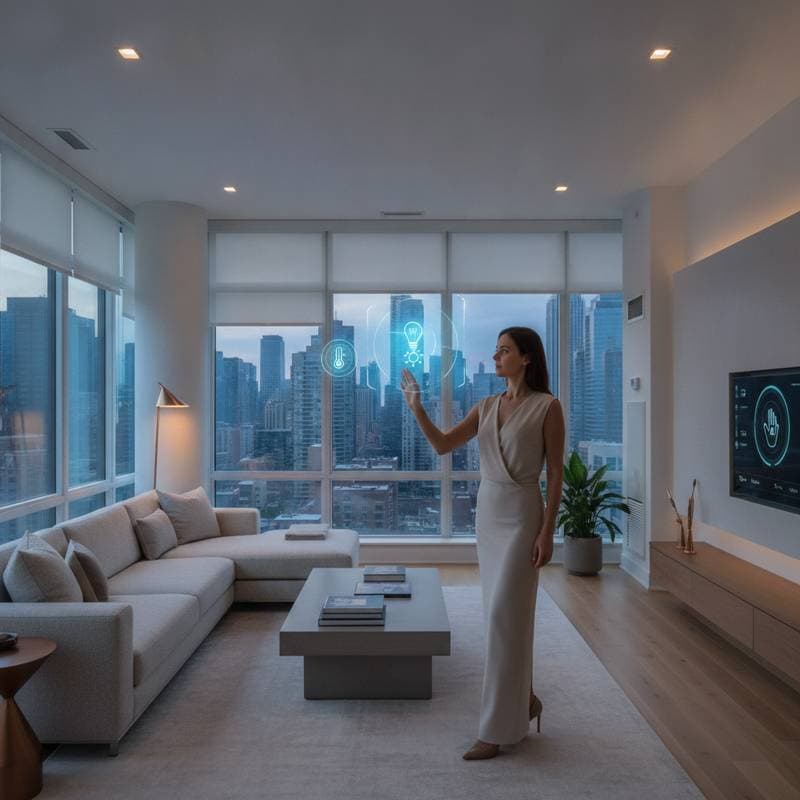
Heartbeat locks enhance interconnected systems. Upon verification, the door unlocks, lights activate to preferred settings, and climate controls adjust automatically. This orchestration delivers tailored home experiences.
Standards like Matter facilitate secure device interoperability. As the technology advances, heartbeat input could standardize across platforms, applying to vehicles, workspaces, and secure areas for unified access management.
Consumer Trust and Adoption
Trust drives uptake. Users favor biometrics with transparent security measures, including on-device encryption and local data storage. Templates ideally process within the lock, avoiding external transmission to preserve privacy and performance.
Tech-savvy individuals with existing smart setups lead adoption. Maturity through testing and certifications will attract wider groups. Eventually, this method may parallel widespread fingerprint use.
Everyday Benefits Beyond Security
The technology streamlines routines by removing barriers like misplaced keys. It aids accessibility for those with physical limitations, simplifying entry without visual or manual demands. Family systems can profile members, notifying guardians of arrivals or granting timed guest access via temporary signatures.
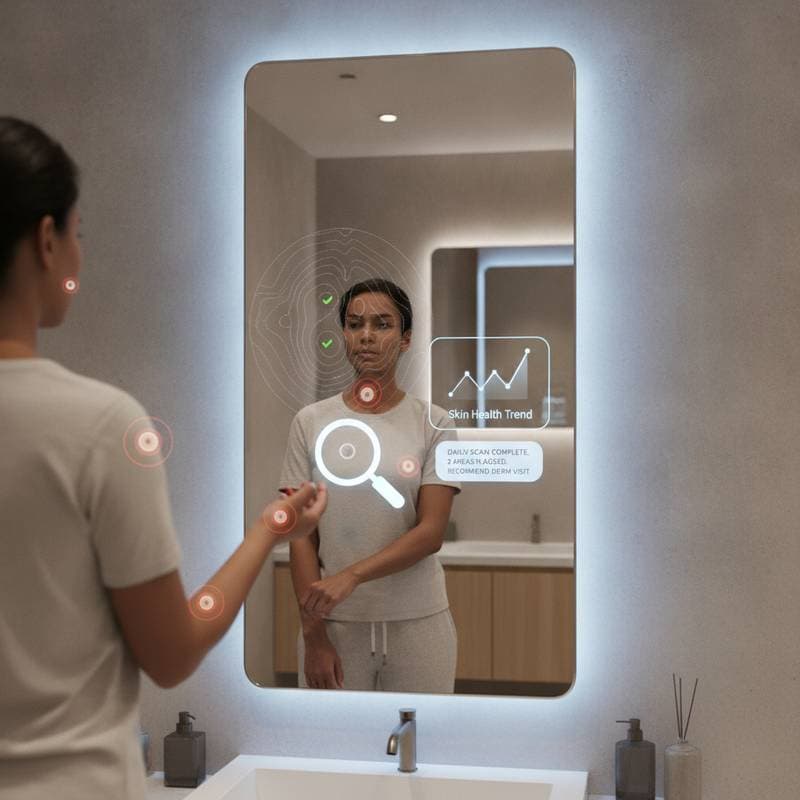
Linked to health metrics, locks might flag anomalies in heart patterns, integrating with apps for timely wellness notifications.
Advancing Home Access Through Vital Signs
Smart home progress emphasizes secure, intuitive identity verification. Heartbeat systems elevate door entry to a personalized, biological exchange.
Users benefit by evaluating prototypes, reviewing privacy features, and integrating into lifestyles. Innovators focus on precision, cost reduction, and education to accelerate integration. These locks foster residences attuned to inhabitants' essential rhythms.