When Your Robot Vacuum Becomes a Pet Health Assistant
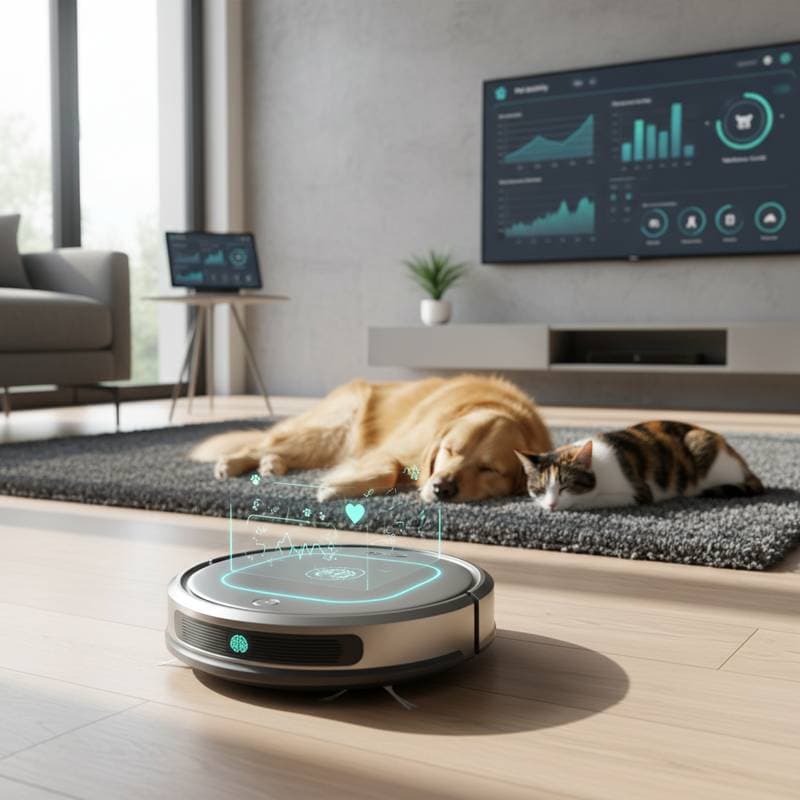
A robot vacuum moves across the floor collecting fur and debris. It can also send an alert that your pet may need a veterinary visit. This capability appears in the newest models equipped with sensors and analysis software.
Pet owners watch for small shifts in behavior or waste that signal illness. These devices collect data during regular cleaning cycles. The information reveals patterns such as heavier shedding or repeated wet spots that may indicate allergies or digestive trouble.
Smart Cleaning Devices Expand Into Health Monitoring
Standard robot vacuums remove pet hair and litter. Newer versions record what they collect and where they collect it. The resulting data shows changes over time that point to stress, diet issues, or other health concerns.
This function stays within the smart cleaning category while adding wellness value. Homeowners gain automated support for both cleanliness and early health awareness without extra daily tasks.
Detection Methods Used by Intelligent Vacuums
Sensors examine collected material and floor surfaces during each run. Algorithms compare current results against earlier cycles. An increase in fur volume or unexpected moisture triggers an app notification.
Higher end units link with cameras or air quality monitors. A vacuum may note a spill near food bowls while an air sensor records rising ammonia levels. Combined readings can suggest urinary or digestive problems in time for early action.
Color and texture analysis now distinguishes dirt from biological waste in select models. Users receive specific alerts such as possible pet accident rather than a generic wet mess notice.
Product Options Across Price Ranges
Several models deliver useful features at different investment levels.
- Eufy RoboVac X8 serves budget needs at 499 dollars. Twin turbines provide strong suction for homes with multiple pets. Pair it with separate air quality monitors to gain indirect health data.
- Roborock Q Revo sits in the mid range at 899 dollars. It maps rooms, detects mopping needs, and analyzes debris with surface recognition. The app flags zones that require more frequent cleaning, helping track shedding changes.
- Ecovacs Deebot X2 Omni occupies the premium tier at 1499 dollars. Cameras and processors identify stain types and debris. Owners have used its alerts to notice repeated messes that later proved to be early signs of stomach upset.
All three models work with common voice assistants and fit into broader smart home setups.
Factors to Weigh Before Purchase
Consider floor types, room layout, and pet count. Open spaces with few obstacles allow best performance. Clear cords and raise low furniture to improve navigation.
Plan to spend 400 to 1500 dollars for models that offer meaningful analysis. Waste detection and camera features raise the price. Some apps charge a small monthly fee for detailed reports.
Multi pet households benefit from self cleaning rollers and washable filters. These reduce odor and maintenance time. Households with allergy sufferers should confirm HEPA filtration.
Review privacy settings on any model that includes cameras. Turn off remote viewing when it is not required and keep firmware current.
Steps to Gain Maximum Value
Follow these practices to strengthen health insights.
- Maintain consistent cleaning schedules so the system builds reliable baseline data.
- Link the vacuum with air monitors or smart feeders for a fuller picture of pet wellness.
- Check app reports each week for shifts in cleaning frequency or waste alerts.
- Contact a veterinarian when the same alert repeats.
Some developers now test cloud dashboards that combine vacuum data with readings from pet collars. These tools may soon forecast issues such as dehydration before symptoms appear.
Practical Benefits for Daily Pet Care
Robot vacuums that flag early illness signs turn routine floor care into ongoing health observation. Owners receive steady information without added effort. The devices support cleaner homes and faster responses to potential problems.
Start with any of the listed models to begin collecting useful data. The technology already covers every floor area. Extending that coverage to quiet health monitoring fits naturally into existing routines.