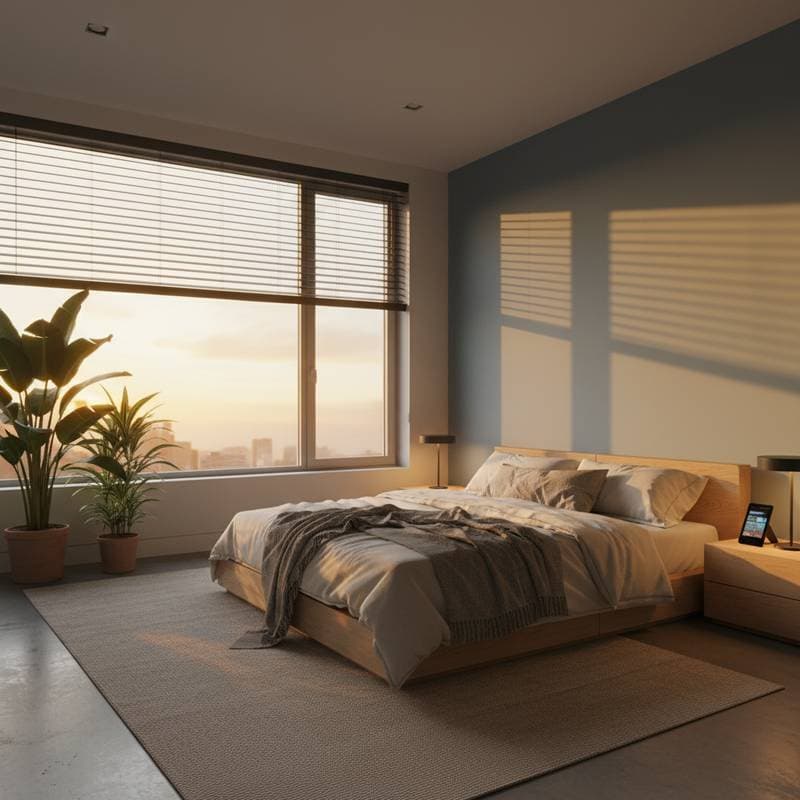
Smart Blinds Adjust to Ease Seasonal Depression Symptoms
Nearly half of homeowners now use at least one connected device. Lighting control ranks among the most popular features. As awareness of mental wellness grows, many explore how smart lighting and automated window treatments influence mood and energy. Smart blinds emerge as a subtle yet powerful tool for addressing seasonal affective disorder by mimicking natural light patterns that regulate the body internal clock.
Smart homes shift from simple convenience toward intentional design that supports well-being. The newest generation of smart blinds does more than open or close on command. These systems understand how light affects circadian rhythm, which governs sleep, alertness, and emotional balance. When days shorten and sunlight becomes scarce, automated systems fill the gap.
The Science of Light and Mood
Humans respond strongly to light exposure. Bright natural light in the morning signals the body to wake. Dimmer light in the evening encourages melatonin production and rest. When daylight hours shrink, this rhythm falls out of sync and produces fatigue, irritability, and low motivation. Consistent exposure to light that imitates sunrise and sunset patterns lifts mood and restores energy.
Traditional light therapy lamps have eased these symptoms for years. Smart blinds extend the same principle across the home. They adjust automatically throughout the day and create dynamic lighting that follows the sun rhythm even when clouds or early sunsets interfere.
How Smart Blinds Operate
Smart blinds connect to home automation systems through wireless signals. Users schedule them, control them by voice, or set them to respond to sunlight sensors. Some models integrate with circadian lighting systems that adjust indoor brightness and color temperature to match natural daylight.
In the morning the blinds open gradually to admit soft light and help the body wake gently. During the afternoon they reduce glare while preserving brightness. In the evening they lower automatically to cue the mind to wind down. This rhythm helps balance hormones linked to mood and sleep quality.
Why Seasonal Adjustment Matters
Seasonal affective disorder affects millions each year, especially during darker months. Even mild seasonal mood changes influence productivity and happiness. Many people feel sluggish when daylight is limited. Smart blinds provide an accessible way to counteract that pattern.
These devices maximize available natural light and coordinate with indoor lighting to maintain stable exposure. Consistent brightness supports improved serotonin levels, which influence mood, focus, and emotional stability. Households in northern climates or areas with long winters notice measurable differences.
Integration with Smart Lighting Systems
Smart blinds perform best when paired with circadian lighting. The combination creates an environment that adjusts both natural and artificial light. As blinds open in the morning, overhead lights shift to a cooler tone that promotes alertness. In the evening both systems transition to warmer hues that encourage relaxation.
Products from Lutron, Somfy, and Eve coordinate with Apple HomeKit, Google Home, and Alexa. The systems learn user preferences and adapt to seasonal changes. They also use weather data to adjust for cloud cover or sunset times and keep indoor light consistent.
Practical Benefits Beyond Mood
Smart blinds deliver energy efficiency by managing solar gain. They keep rooms warmer in winter and cooler in summer. They protect furniture from UV damage by filtering harsh midday light. They add privacy without sacrificing brightness.
Automation saves time for busy households. Parents no longer track manual adjustments. The system maintains a predictable rhythm that supports family comfort.
Morning Light in Practice
Consider a cold winter morning. Blinds rise slowly and allow soft light to fill the room. The glow brightens gradually and mimics sunrise. Within minutes the body responds with increased alertness. During the day the blinds reduce glare on workspaces while maintaining brightness. In the evening they close automatically to support transition toward rest.
Users describe the change as subtle yet steady. Consistent light patterns reduce fatigue that often accompanies dark seasons.
Addressing Cost and Complexity
Some consumers hesitate because of cost or setup concerns. Smart blinds cost more than traditional coverings, especially when integrated with full lighting systems. Prices have declined as technology spreads. Many manufacturers now offer retrofit kits that automate existing blinds at lower cost.
Installation has simplified. Battery-powered motors and app-based calibration allow most users to complete setup without professional help. Voice control enables quick adjustments. Renters can choose portable smart shades that deliver similar benefits and remove easily.
Personalization Features
Recent models learn from user behavior and adjust to individual routines. A slower wake-up preference extends the sunrise simulation. Late work schedules delay evening lowering. Personalized timing fits each lifestyle rather than a fixed clock. Some platforms sync with wearable devices to track sleep and refine lighting accordingly.
Expert Views on Light and Well-Being
Lighting designers and psychologists highlight the link between light and mental health. Automation removes the need for constant manual changes. Surveys indicate that users of circadian systems report higher satisfaction with their indoor environment and better morning alertness.
Smart blinds extend this approach by combining function with wellness design. They turn a static home element into an active support for daily health. Adoption continues to rise in both homes and workplaces.
Getting Started
Evaluate rooms that receive the most natural light. Bedrooms and home offices rank highest because they affect sleep and productivity. Select blinds that match your existing smart home platform. Set schedules that mirror desired wake and rest cycles. Pair them with tunable lights to maintain steady brightness. Track energy and focus over several weeks to observe gradual improvement.
Smart blinds support everyday well-being without claiming to cure depression. They reconnect indoor spaces with natural light rhythms and help restore balance to body and mind. Connected home technology continues to evolve, and these systems demonstrate that effective innovations often restore a sense of natural rhythm.