Imagine Dinner That Practically Cooks Itself
It is a weeknight and you are staring into the fridge, wondering what to make. The thought of chopping, stirring, and timing everything perfectly feels like too much. Now imagine if your kitchen could take over those steps. It chooses a recipe based on what you have, preheats the oven, and even stirs the sauce for you. That is the promise of AI cooking with smart kitchen appliances.
The Modern Kitchen Dilemma
Most home cooks want fresh, healthy meals but struggle with time, energy, and planning. Between grocery shopping, prep, and cleanup, cooking can feel like a full-time project. Many people end up ordering takeout or reheating frozen meals, even though they would prefer something home-cooked.
Smart kitchen appliances are changing that pattern. They combine sensors, data, and automation to handle repetitive tasks. The result is not a sci-fi fantasy but a practical solution for busy households that want more control over their food.
The Big Idea: AI in Your Kitchen
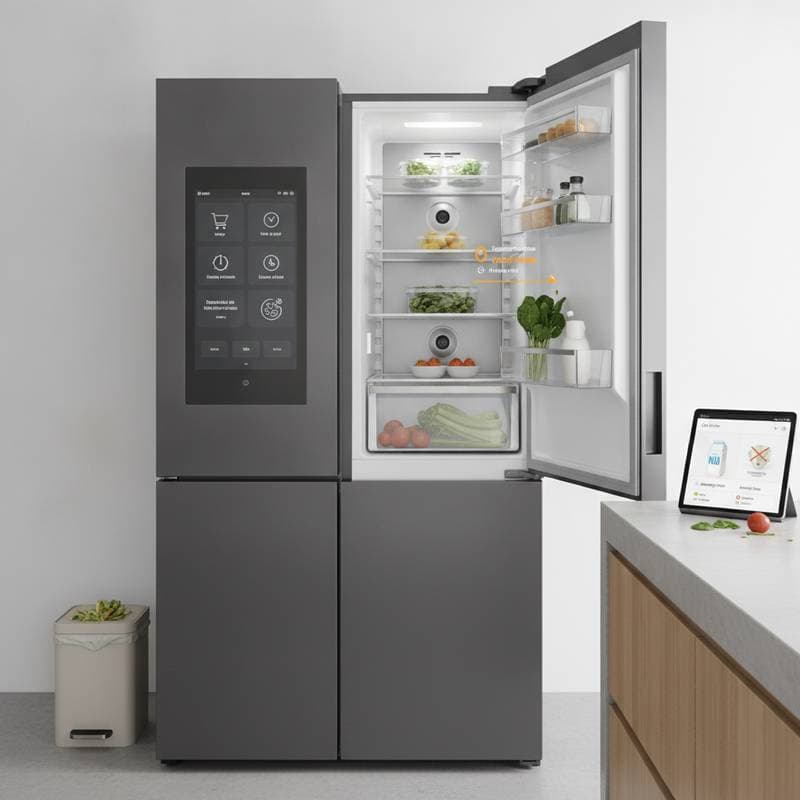
AI cooking appliances do more than follow timers and temperature settings. They learn your habits, adapt to your preferences, and communicate with each other. A connected oven preheats itself when your smart fridge detects that chicken has been defrosted. The system can even recommend recipes based on your dietary goals or calorie targets.
This network of intelligent devices forms a kind of kitchen ecosystem. It is guided by machine learning, but the results feel personal. The goal is simple: make cooking faster, cleaner, and more consistent.
Building Your Smart Cooking Setup
To build a smart kitchen that can handle meal prep automatically, start with the appliances that offer the most automation and connectivity.
1. Smart Ovens and Cooktops
A smart oven is the backbone of automated cooking. Models like the June Oven (around $999) use internal cameras and sensors to identify food. It recognizes items such as salmon or cookies and automatically sets the ideal temperature and time. For a mid-range choice, the Tovala Smart Oven (about $499) syncs with meal kits so you can scan a barcode and let it cook everything to perfection.
If you want a premium experience, the Brava Oven (around $1,295) uses light-based heat and AI-driven monitoring to cook multiple items at once. It can roast vegetables and sear steak simultaneously without flavor transfer.
Insider tip: Many of these ovens improve over time through software updates, so their cooking intelligence actually grows the longer you own them.
2. Smart Cookers and Multicookers
For one-pot meals, a smart cooker is unbeatable. The Instant Pot Pro Plus Smart (about $179) connects to Wi-Fi, allowing you to control it through an app. You can start rice or soup remotely and receive notifications when it is done.
A step up in sophistication is the ChefIQ Smart Cooker (around $199). It provides guided recipes and automatically adjusts pressure, steam, or saute settings. It even weighs ingredients inside the pot to calculate cooking times precisely.
For premium users, the Thermomix TM6 (around $1,499) is a multifunctional cooking station. It chops, blends, steams, and cooks with guided recipes that adjust based on portion size. It is often used by professional kitchens for consistent results.
3. Smart Refrigerators
Smart fridges are no longer just about cooling. The Samsung Family Hub Refrigerator (starting near $3,299) uses internal cameras to track items and expiration dates. It can suggest recipes based on what you have and sync grocery lists with your phone.
A more affordable option is the LG Smart InstaView Refrigerator (around $2,299), which offers similar inventory tracking and the ability to connect with other smart devices.
Premium systems, like the GE Profile Smart Refrigerator (around $3,499), can even coordinate with ovens to preheat when you select a recipe.
4. Smart Dishwashers and Cleanup
Automation does not stop when the meal ends. Smart dishwashers such as the Bosch 800 Series (around $1,299) use soil sensors to adjust cycles automatically, saving water and power. The GE Profile UltraFresh Dishwasher (around $1,099) connects to your phone and notifies you when it is time to add rinse aid or clean the filter.
These may seem like small conveniences, but they close the loop of a fully automated cooking cycle, from prep to cleanup.
Practical Considerations Before Upgrading
Upgrading your kitchen can feel like a big financial decision, so it helps to start small. You can begin with a single appliance, like a smart oven or multicooker, and expand later. Most smart devices are compatible with major ecosystems such as Alexa, Google Home, and Apple HomeKit.
Budget: Expect to spend roughly $150 for an entry-level smart gadget, around $500 to $1,000 for mid-range automation, and $1,500 or more for premium all-in-one solutions.
Installation: Most smart appliances plug into standard outlets, but high-end ovens or refrigerators might require professional installation. Always check electrical requirements before purchasing.
Safety: While smart systems handle cooking automatically, never leave food completely unattended for long periods. Fire safety and ventilation remain important.
Data Privacy: Many appliances connect through cloud services. Review privacy settings and disable recipe-sharing features if you prefer to keep your data local.
Insider Tip: Use AI to Reduce Food Waste
One lesser-known advantage of AI cooking is waste reduction. Smart fridges and recipe platforms can analyze ingredients before they expire and suggest ways to use them. Some systems even adjust portion sizes based on your household eating patterns. Over time, this combination of sensors and analytics can save hundreds of dollars per year while cutting down on spoiled food.
The Future of Automated Meal Prep
The next generation of AI kitchen appliances will focus on deeper personalization. Instead of simply cooking for you, they will cook like you. Adaptive taste profiles, voice-controlled recipes, and nutrition tracking will become standard features.
Imagine a system that knows how brown you like your toast, how spicy you prefer your chili, and how many calories you want to consume at dinner. That is where smart kitchens are heading.
Industry experts predict that within a few upgrade cycles, kitchen ecosystems will integrate with health apps, grocery delivery platforms, and sustainability systems. Your kitchen will not only cook but also learn from your lifestyle.
Start Your Kitchen Upgrade
If you are ready to modernize your kitchen, start by identifying the tasks you dislike most. Maybe it is chopping, stirring, or cleaning. Then choose one smart appliance that solves that problem. Each step builds a more connected and capable kitchen.
When you are comfortable with one device, expand your network gradually. Connect your oven to your voice assistant, sync your recipes with your fridge, and set automated schedules for meal prep.
The appeal lies in simplicity. By letting your kitchen handle routine tasks, you gain more time to enjoy cooking and eating. It is not just about convenience. It is about creating a space that works with you, learns your habits, and evolves over time.
FAQs
1. What is an AI cooking appliance?
An AI cooking appliance uses sensors, data, and algorithms to automate meal preparation, adjusting temperature, time, and technique automatically.
2. Do smart kitchen appliances require Wi-Fi?
Most do. Wi-Fi enables remote control, updates, and recipe synchronization. Some devices also support Bluetooth for local connections.
3. Can smart ovens cook without human input?
They handle most steps automatically, but you still need to load ingredients and occasionally confirm recipe selections.