Smart Kitchens Prepare DNA-Tailored Meals
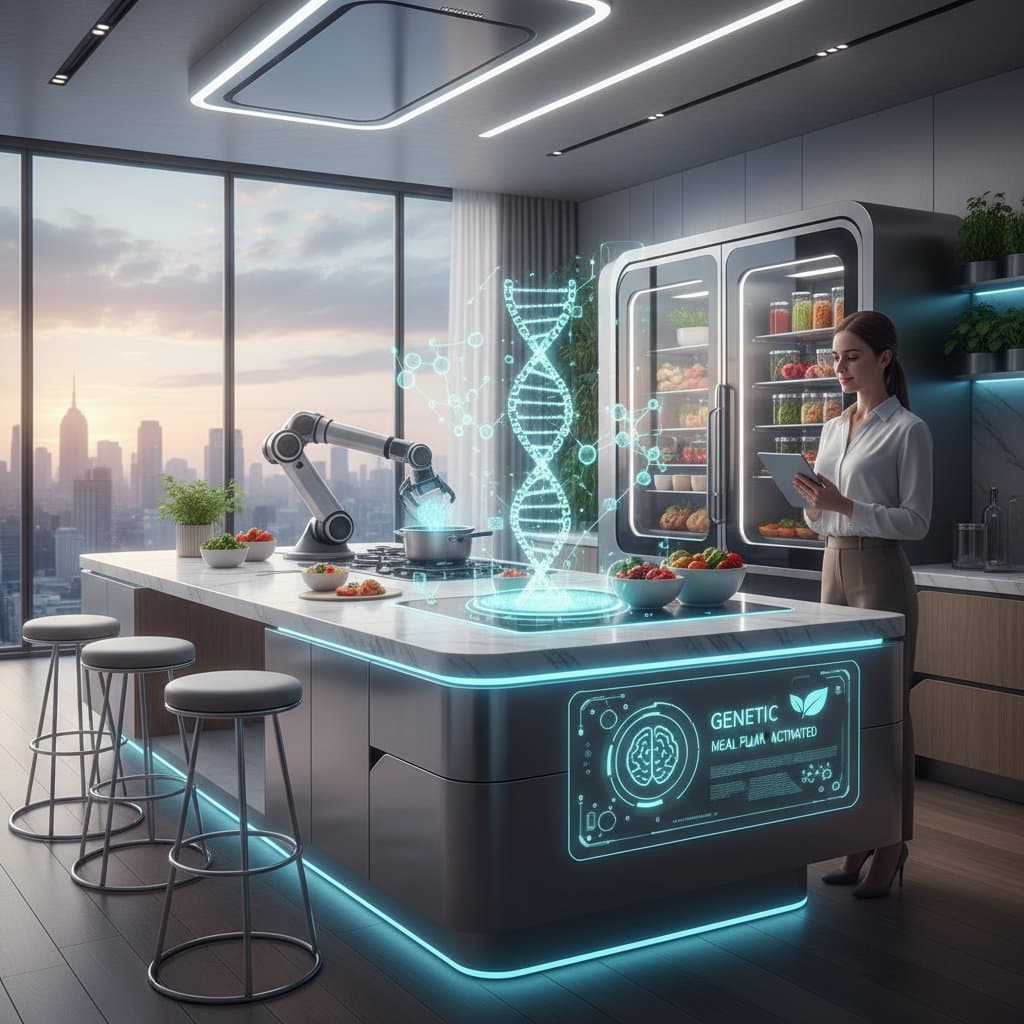
Smart homes grow more intuitive with each advancement, yet the kitchen stands as the epicenter of transformation. Devices now access genetic profiles to prepare meals suited to individual biology, moving beyond mere convenience toward targeted wellness. This integration of genetics, artificial intelligence, and appliances redefines daily nutrition as a precise, automated process.
Foundations of Personalized Nutrition
Traditional dietary guidance relies on general categories such as low-carbohydrate or high-protein plans. Genetic testing changes this approach by revealing how individuals metabolize nutrients, identify sensitivities, and absorb vitamins. Connected devices use this data to generate meal plans that align with specific biological requirements.
Consumer interest in precision nutrition drives these developments. Research indicates that a significant portion of people would adjust their eating habits based on personalized, evidence-based insights. Food technology firms respond by linking genetic analysis with smart cooking tools.
Mechanics of DNA-Guided Meal Preparation
A typical interaction begins with biometric authentication, such as a fingerprint scan or voice prompt, on a kitchen interface. The system accesses a stored nutrition profile, incorporating genetic details alongside data from wearables like activity trackers or sleep monitors. It then proposes meals optimized for current health metrics.
The process unfolds in three key phases:
- Genetic Assessment: Home tests analyze saliva or cheek swabs to map metabolic traits, allergen risks, and nutrient processing.
- Information Synchronization: Profiles integrate with planning software that interfaces with kitchen hardware.
- Precision Execution: Appliances adjust recipes for exact nutrient balances, controlling heat, duration, and portions.
Meals emerge calibrated to enhance energy, support digestion, or address deficiencies, all without user intervention.
Evolution from Isolated Devices to Integrated Systems
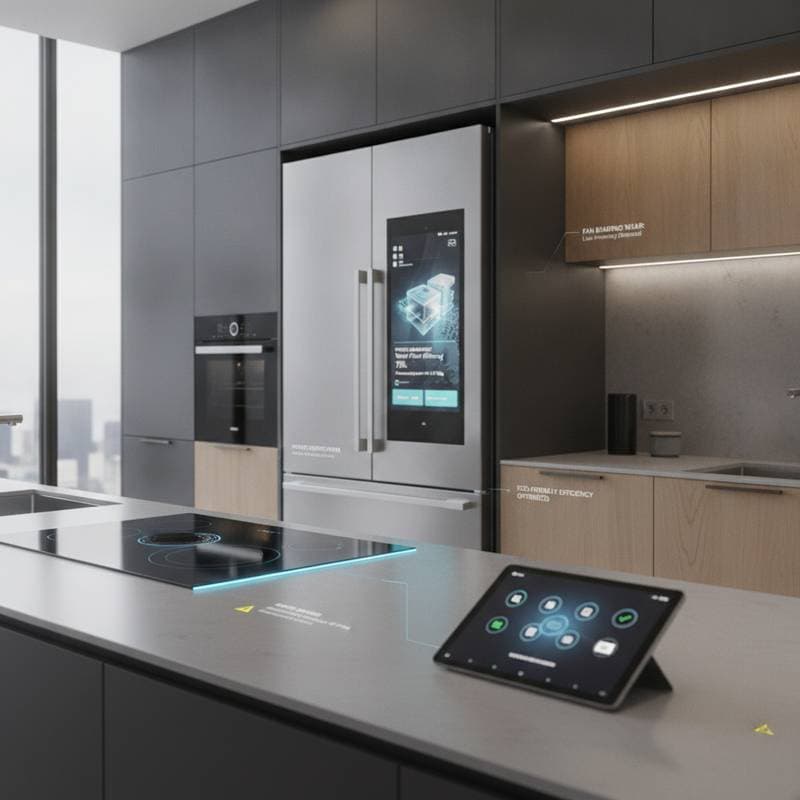
Initial smart kitchen tools emphasized basic automation, like remote oven controls or recipe timers. Current systems form cohesive networks where components collaborate seamlessly. Refrigerators inventory perishables, scales quantify inputs accurately, and cookware tracks thermal changes to preserve nutritional value.
Consider a setup where the refrigerator cross-references stock against genetic recommendations. It detects shortages in optimal foods and initiates restocking via partnered services. The cooking unit then loads tailored instructions, adapting to preferences and objectives, so preparation requires minimal oversight.
Benefits of Genetic Customization in Nutrition
DNA-based meal preparation elevates wellness by aligning food with physiology. Individuals avoid generic diets, instead consuming options that bolster vitality and mitigate health risks. For those with conditions like lactose intolerance or elevated lipids, outcomes improve through consistent, informed selections.
Athletes gain from formulations that leverage genetic advantages, such as enhanced endurance or recovery. Families benefit as systems accommodate diverse profiles within unified menus, streamlining preparation while honoring individual needs.
Artificial Intelligence as the Core Engine
AI processes genetic inputs to forecast bodily responses and evolve recommendations. It incorporates feedback from meal logs or satisfaction ratings to refine future suggestions. Patterns in appetite, environmental factors, and goal shifts inform ongoing adaptations.
Platforms sift through vast recipe databases to pair flavors with nutritional targets. Paired with genetic insights, AI functions as a bespoke culinary advisor, ensuring meals satisfy both health imperatives and sensory appeal.
Addressing Privacy and Accessibility Hurdles
Handling genetic data demands robust safeguards. Developers prioritize encryption, user consent, and options for on-device storage to minimize breach risks. Transparency in data practices builds trust among users.
Affordability poses a barrier, as tests and devices carry premium tags. However, expanding markets and technological maturation will lower costs. Positive experiences from pioneers signal potential for widespread adoption.
Emerging Implementations
Innovators introduce practical applications. Subscription models deliver kits with portions scaled to genetic profiles. Appliance collaborations enable direct recipe downloads from health platforms.
Prototypes include saliva-scanning counters that detect deficiencies and prescribe remedies. Refrigerators monitor intake via wearables, generating recipes to correct imbalances. These prototypes pave the way for kitchens that harmonize health monitoring with culinary execution.
Kitchens as Centralized Wellness Stations
Kitchens evolve from communal spaces to intelligent command centers. Embedded sensors and adaptive tools automate tracking of intake and adjustments. Users focus on enjoyment rather than manual calculations.
This aligns with preventive health movements, positioning nutrition as a cornerstone of longevity. Genetic tailoring makes proactive eating accessible and engaging.
Enhancing Connections Through Customized Meals
Personalization extends to social settings. Systems prepare varied dishes from shared ingredients, suiting multiple profiles effortlessly. Hosts serve optimized courses that maintain thematic unity.
Beyond homes, venues like eateries experiment with profile-linked offerings. Institutions such as cafeterias or clinics adopt similar methods to elevate communal dining precision.
Steps to Implement DNA-Informed Cooking
Start with an entry-level genetic test focused on nutritional insights, available at reasonable prices. These provide reports on metabolic rates, sensitivities, and supplementation needs.
Incorporate compatible devices, such as app-linked scales or virtual assistants, to apply findings. Select platforms that accept manual data entry for customized recipe generation.
As integrations advance, expand to full ecosystems. This gradual build transforms routine cooking into biology-aligned practice.
Realizing Nutrition Through Technology
Genetics, AI, and smart hardware converge to personalize home cooking profoundly. Systems interpret biological cues to deliver sustenance that sustains and elevates daily life. Kitchens emerge as allies in health optimization, crafting meals that resonate with individual essence.