Smart Fridges Order Groceries Tailored to Your DNA
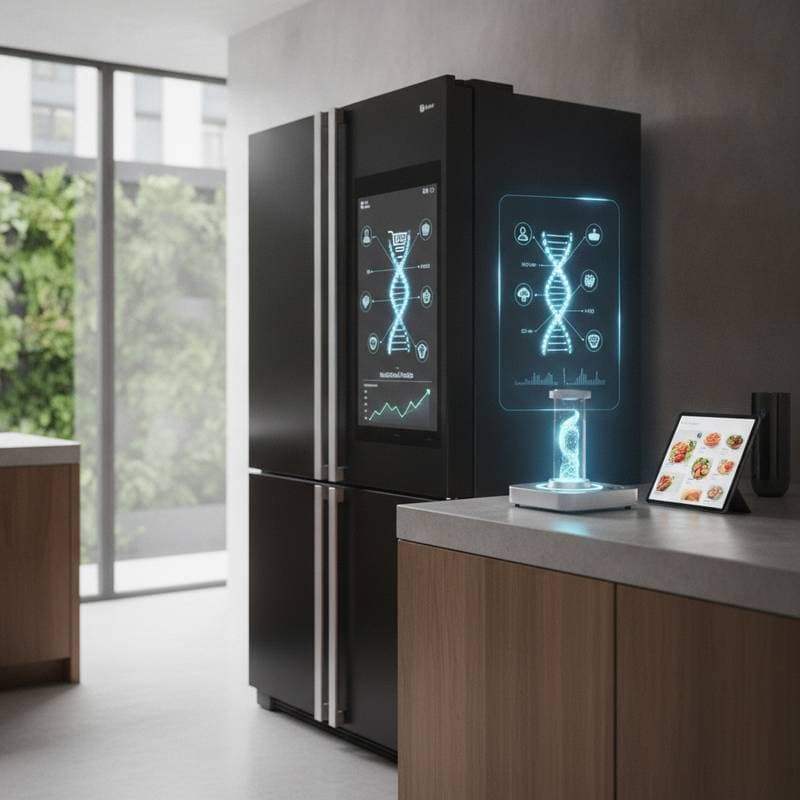
Smart homes are moving from connected convenience to personalized living. The latest frontier in this evolution is the DNA-aware smart fridge. This kitchen companion tracks groceries and orders food based on your genetic makeup. The approach transforms nutrition from guesswork into a science-driven experience that fits your body unique needs.
The Rise of DNA-Based Nutrition
Consumer interest in personalized health has grown rapidly. Surveys indicate that many people are willing to share health data when it leads to more precise nutrition advice. DNA-based diets have gained popularity through testing kits that reveal genetic tendencies toward certain nutrients or food sensitivities. When this data connects with a smart fridge, the result is a nutrition assistant that knows exactly what your body needs.
Users connect their genetic profile through a secure app. The system then recommends more leafy greens if the profile indicates a need for additional iron. It can also suggest dairy alternatives when lactose sensitivity appears in the data. This level of insight turns the fridge into a personal nutritionist that learns and adapts over time.
How It Works
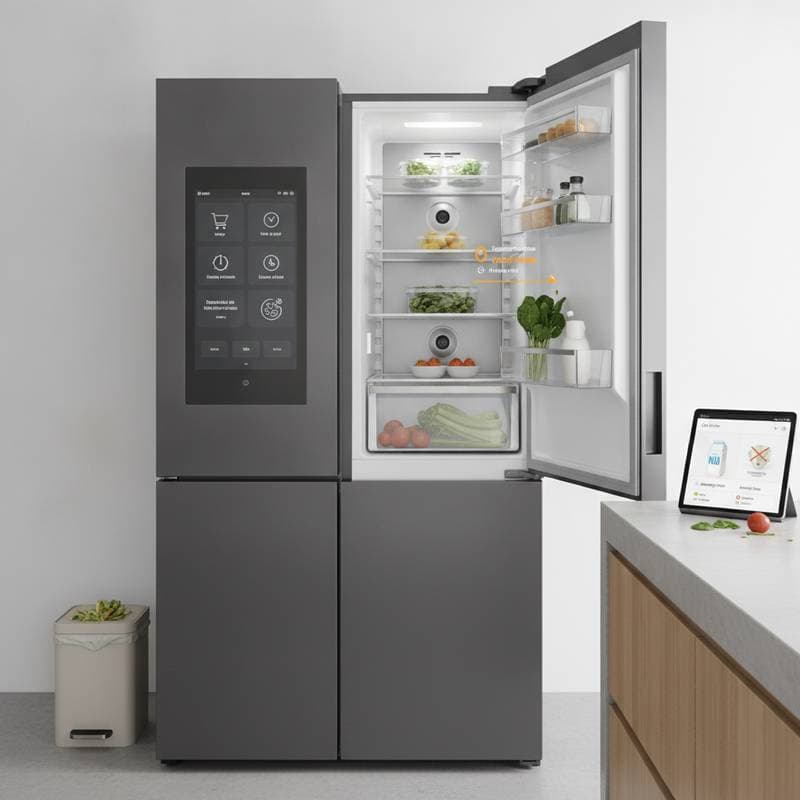
A DNA-aware smart fridge uses secure data from a home DNA test. Once connected to your profile, it cross-references nutritional needs with grocery databases and recipe libraries. Built-in cameras and sensors monitor food levels and freshness. When supplies run low, the unit automatically orders groceries through integrated shopping platforms.
These fridges apply artificial intelligence to predict eating habits, balance diets, and reduce waste. For example, the system knows you typically skip breakfast on certain days and adjusts orders accordingly. The fridge can sync with fitness trackers to modify shopping lists based on activity levels.
Why It Matters
For consumers, the biggest benefit is convenience with purpose. Grocery automation saves time, yet alignment with DNA data adds a layer of health intelligence. It shifts food shopping from reactive to proactive. Instead of buying whatever looks appealing, your fridge helps you select items that support your specific health profile.
Health professionals see potential in this trend. Nutritionists could use connected data to support remote coaching. Manufacturers might tailor products to genetic segments. The grocery industry may evolve toward personalized inventory planning, where supply chains respond to aggregated health data rather than broad demographics.
Real-World Examples Emerging
Several tech companies already experiment with this concept. Smart fridge brands continue to expand their ecosystems with predictive grocery ordering and recipe suggestions. DNA testing firms offer open APIs that allow health platforms to integrate genetic insights. The next logical step merges these systems into one cohesive platform that personalizes nutrition from fridge to fork.
Imagine a smart home where your fridge, pantry, and wearable devices communicate seamlessly. Your fridge could suggest meal plans, order groceries, and alert you when nutrient intake drifts from your goals. This redefines what smart truly means in the kitchen.
Integrating Nutrition Intelligence into Daily Life
Adoption will depend on comfort with sharing health data. The convenience and health benefits remain compelling. As more consumers embrace smart ecosystems, the DNA-aware fridge could become a household staple, particularly for those focused on wellness.
Smart homes are evolving from reactive automation to active care. The DNA-connected fridge offers a glimpse into that future. Your kitchen understands not just what you like but what your body needs. It represents a step toward nutrition that is effortless, precise, and deeply personal.