Smart Kitchen AI Detects Spoilage Before It Poisons You
Nearly every household faces uncertainty about whether leftovers remain safe to eat. That hesitation when sniffing a container highlights a common kitchen challenge. Food spoilage wastes money and poses serious health risks. New smart kitchen systems now address this issue through sensors, data analysis, and predictive learning that monitor freshness in real time.
The Hidden Costs of Food Spoilage
Food waste strains household budgets and contributes to broader resource losses. Many people discard items too early due to inaccurate freshness judgments, while others risk illness by consuming questionable products. Traditional expiration labels offer only rough guidance. They ignore actual storage conditions, temperature shifts, and potential contamination.
A carton of milk may spoil faster in a warmer refrigerator section, whereas sealed vegetables often outlast printed dates. Smart kitchen AI bridges this gap by tracking real conditions rather than relying on static dates.
How Smart Kitchen Technology Monitors Freshness
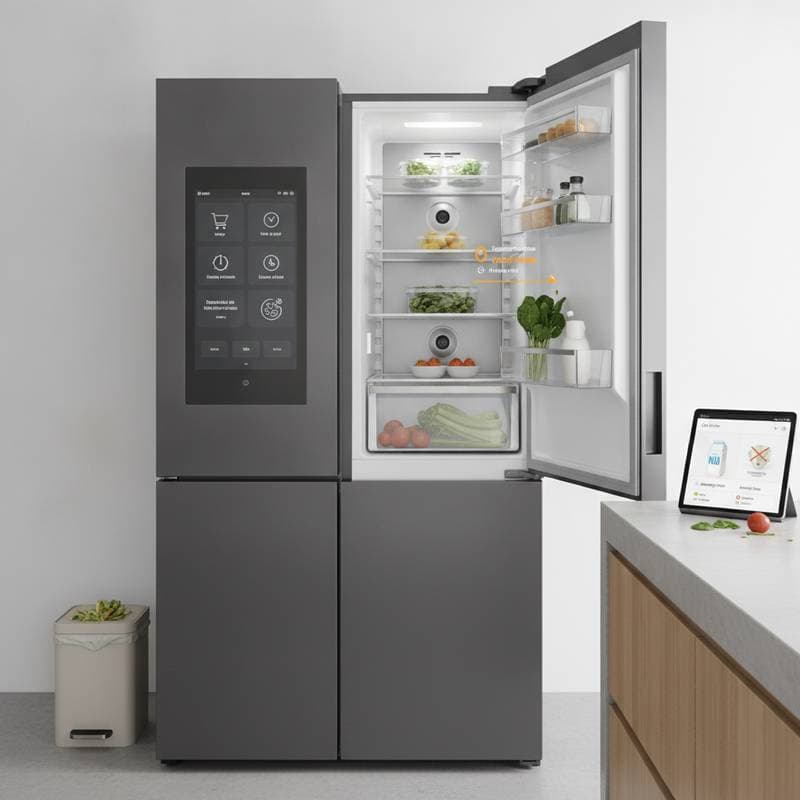
Smart refrigerators now identify items through barcode scans or visual recognition. The systems track humidity, temperature, and gas emissions continuously. Over time the AI learns spoilage patterns for specific foods and issues tailored alerts. Users receive notifications via connected apps that suggest immediate consumption or compartment adjustments.
AI Powered Detection in Practice
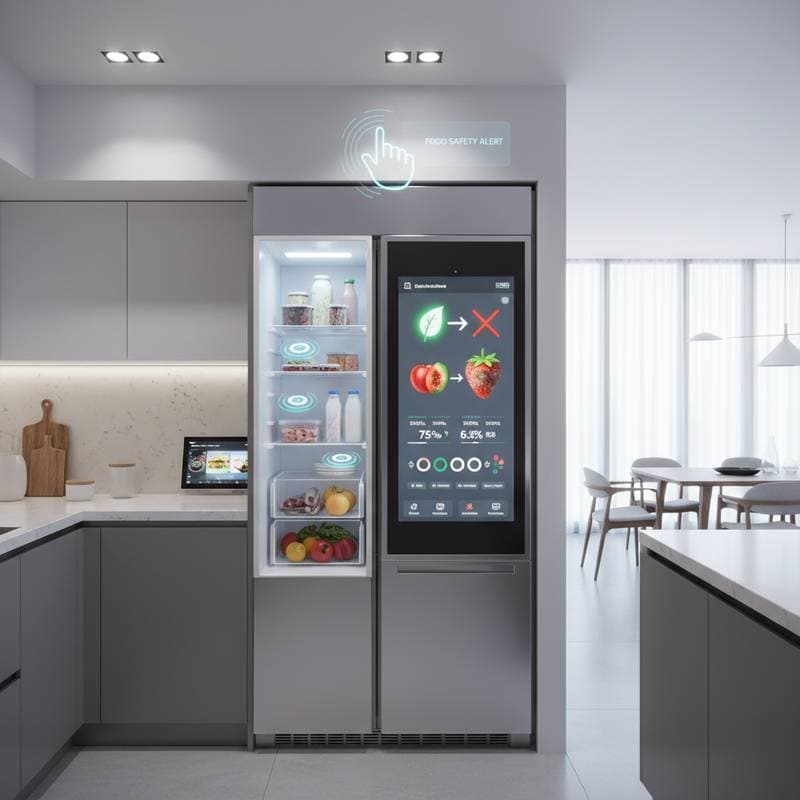
Spoilage creates measurable environmental changes such as shifts in pH or releases of gases like ethylene and ammonia. Sensors capture these signals and feed them to AI models that compare readings against established profiles. For instance, a rise in ethylene near fruit prompts an app alert to eat the produce soon or move it to a cooler zone. Some units automatically adjust cooling to slow decay.
This approach gives households data driven protection that surpasses human senses alone.
Practical Benefits for Families
Accurate freshness updates help users prioritize meals and reduce grocery waste. Families can plan shopping trips more efficiently and maintain healthier habits with fresh ingredients. A visual dashboard in the refrigerator highlights items nearing their limit and sends reminders to use them in upcoming meals. Parents gain added confidence when preparing food for children, and older adults receive extra safeguards against accidental consumption of spoiled goods.
Current Examples of Spoilage Detection
Appliance makers embed gas and humidity sensors in refrigerators, while startups offer intelligent containers that analyze contents. Some systems display color changing indicators or mobile freshness scores. Camera based models detect mold or color shifts and improve accuracy through cloud learning. Restaurants and delivery services apply similar tracking to protect larger volumes of food and maintain trust.
Technology Behind the Systems
Hardware sensors measure temperature, moisture, and gas levels inside compartments or containers. Onboard processors or cloud servers analyze the data with machine learning algorithms that refine predictions based on household patterns. Wi Fi or Bluetooth connectivity delivers updates to phones or assistants and can link with grocery apps to suggest replacements.
Addressing Privacy and Cost Concerns
Manufacturers anonymize collected data and let users control sharing. As sensor production costs decline, the features appear in more mid range appliances and retrofit kits. This trend moves spoilage detection from luxury to standard household tool.
Building Trust Through Everyday Use
Smart kitchen AI works best alongside established habits such as proper storage and temperature control. Real time insights support informed decisions without replacing personal responsibility. Households that value clear safety benefits adopt the technology steadily.
Predictive Features on the Horizon
Future systems will forecast spoilage based on usage patterns and storage history. They may recommend moving items before decay begins or suggest recipes tied to delivery contents. Integration with home thermostats or calendars could further streamline kitchen management.
Steps to Get Started
Begin with smart containers or plug in sensors that fit existing refrigerators. Expand to full appliance networks as devices connect. The result replaces guesswork with reliable guidance that protects health and reduces waste.