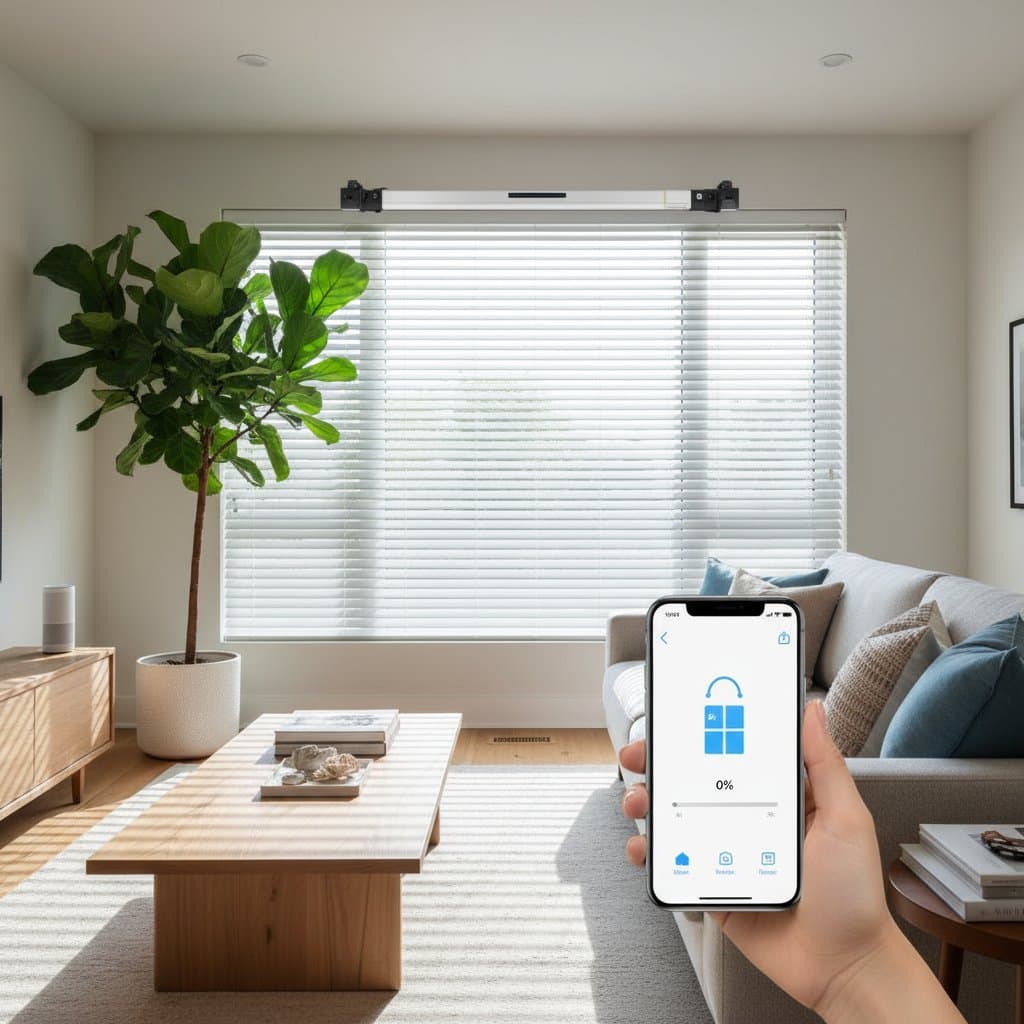
Affordable Smart Blinds Under 50 Dollars Deliver Practical Home Automation
Waking up to sunlight that enters at the exact time you prefer no longer requires touching a cord. Budget smart blinds achieve this outcome for less than the cost of a typical meal out. These devices bring automated light control and privacy to everyday homes.
Automated window treatments once required professional installation and high budgets. New retrofit kits change that situation by attaching to existing cords or chains. Renters and homeowners gain the same scheduling and voice features found in premium systems.
Benefits of Low Cost Automation
Smart blinds respond to apps or voice assistants to manage natural light and room temperature. Users close all blinds with one command or align them with sunrise times. This control reduces heating and cooling expenses by limiting unwanted heat gain or loss.
Traditional motorized options started above 200 dollars per window. Recent designs use compact battery motors that retrofit current blinds instead of replacing them. The shift opens automation to more households without wiring or specialized tools.
Installation Process
Select a kit that matches your cord or chain thickness. Most units fit standard roller, Roman, or Venetian styles.
Attach the motor with the included adhesive or clamp near the window frame. Connect the device through the manufacturer app over Wi Fi or Bluetooth, then assign a name to each blind.
Create schedules for daily open and close times. Link the system to location services so blinds adjust when you leave or return. Many models also work with Alexa or Google Assistant for spoken commands.
The entire process finishes in about 15 minutes per window. No electrician or additional hardware is necessary in most cases.
Recommended Options
The SwitchBot Blind Tilt model at 49 dollars attaches to tilt rods and uses Bluetooth for schedule control. Adding a separate hub later enables voice commands for small spaces.
The Graywind retrofit kit at 89 dollars provides built in Wi Fi and supports major assistants without extra hubs. A solar panel accessory maintains battery charge with minimal upkeep.
Higher end choices such as Somfy models offer quieter operation and broader platform integration for users who expand their systems later.
Key Factors to Review
Rechargeable batteries in these units typically last two to six months. Solar charging panels reduce the need for manual recharges in sunny locations.
Entry level motors produce a low hum during movement. Models rated under 50 decibels suit noise sensitive rooms.
Test torque settings on heavy or wide blinds before permanent mounting. Matter compatible versions simplify connections across different smart home brands.
Energy and Daily Use
Automated timing can lower monthly utility costs by up to ten percent through better solar management. Close blinds during peak afternoon heat in warm regions. Open them on sunny winter days to capture natural warmth.
Pair the blinds with presence sensors or thermostats for responsive adjustments. A room that warms too quickly can trigger automatic closure without manual input.
Experiment with routines such as opening bedroom blinds before an alarm or closing living room shades at sunset. These patterns create a home that adapts to daily habits.
Future Developments
Manufacturers continue to improve battery life and motor quietness while adding deeper connections to lighting and HVAC platforms. Retail availability has increased, which supports further price reductions.
Start with a single window to experience the convenience. Expansion becomes straightforward once the initial setup proves reliable.