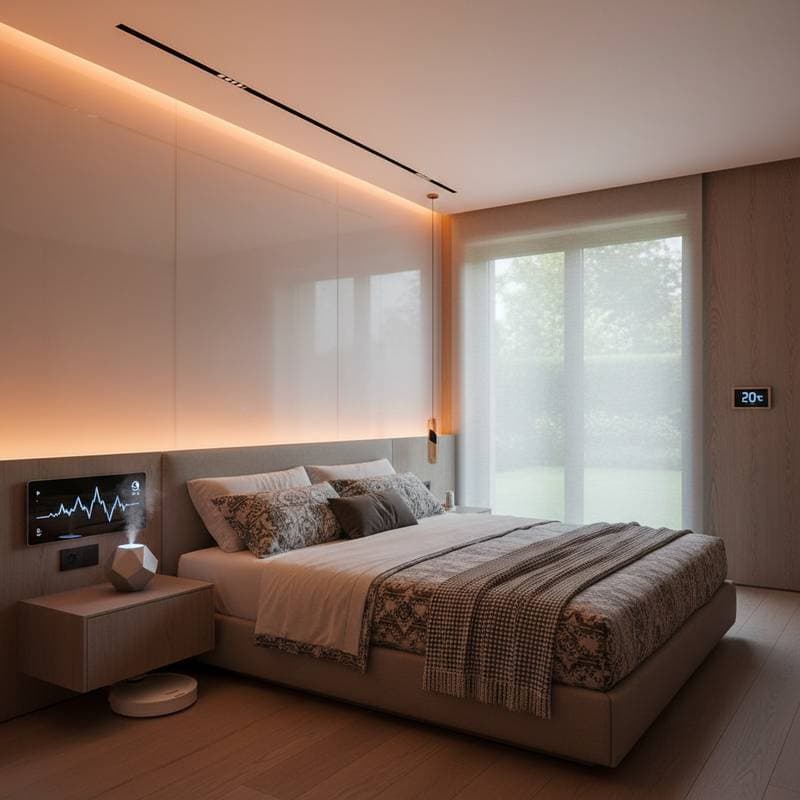
Smart Sleep Technology: Enhancing Recovery Across Your Home
Smart homes have progressed beyond mere convenience to become comprehensive wellness systems. Innovations in smart sleep technology enable lighting, temperature controls, and automation to collaborate in supporting effective rest and recovery. As devices grow more intuitive, homes now align with natural biological rhythms instead of requiring users to adapt to rigid schedules.
Foundations of Restorative Sleep Environments
Quality sleep extends far beyond a supportive mattress. It requires an environment that harmonizes with the circadian rhythm, the body's internal clock regulating alertness and drowsiness. Inconsistent schedules, artificial lighting, and fluctuating room conditions often disrupt this rhythm for many individuals. Smart sleep technology addresses these issues by dynamically adjusting the home to meet biological demands.
Consider lights that gradually dim toward bedtime, thermostats that maintain optimal sleeping temperatures, and air purifiers that operate silently overnight. These features represent the current evolution of home comfort, grounded in practical application rather than speculation.
1. Adaptive Circadian Lighting Systems
Circadian lighting stands out as a key advancement in smart home wellness. These systems modulate brightness and color temperature to replicate natural daylight cycles. Morning exposure to cool white light promotes wakefulness, while evening shifts to warm hues prepare the body for relaxation.
Research indicates that such lighting influences melatonin production, accelerating sleep onset. Philips Hue and LIFX provide smart bulbs capable of automated circadian programming or integration with sleep-tracking applications. The outcome delivers a guided transition from activity to repose, fostering natural bodily responses.
2. Intelligent Thermostats for Optimal Sleep Conditions
Room temperature significantly impacts sleep depth. Even minor deviations from the ideal range can cause discomfort and interruptions. Intelligent thermostats overcome this by analyzing user patterns and making precise adjustments throughout the night. They also integrate with wearables or mattress sensors to tailor climates across sleep stages.
Ecobee and Nest models, for example, identify sleep onset and reduce temperatures accordingly for peak comfort. Advanced options connect with temperature-regulating bedding to manage heat and humidity, ensuring a stable microclimate that minimizes disturbances.
3. Comprehensive Sleep-Tracking Networks
Sleep monitoring has advanced past simple wearables. Under-mattress sensors, intelligent pillows, and linked displays now capture detailed data on cycles, respiration, and movements. This information integrates into home automation platforms for immediate environmental refinements.
The Withings Sleep Analyzer exemplifies this by monitoring patterns and interfacing with connected devices. Upon detecting agitation or elevated heart rates, it activates cooling mechanisms, modifies lighting, or initiates soothing audio. Through ongoing analysis, it refines interventions to optimize personal sleep quality and recovery.
4. Streamlined Bedroom Automation Routines
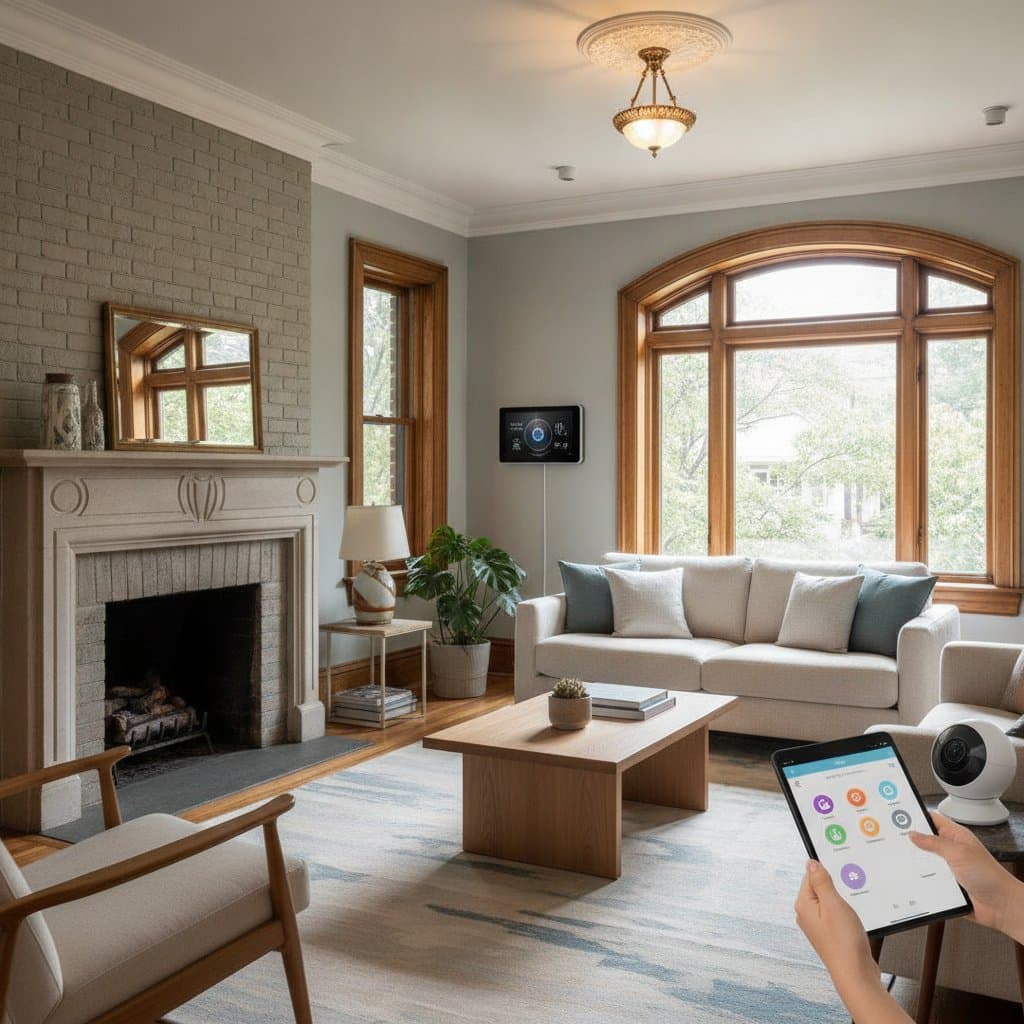
Automation elevates comfort by eliminating manual interventions. Program home assistants to ready the bedroom at designated times: lights fade, curtains draw closed, white noise activates, and devices switch to silent modes.
Such sequences condition the body for rest, promoting regularity and alleviating pre-sleep tension. Alexa and Google Home simplify routine creation and updates, transforming bedtime into an effortless, calming process that operates independently.
5. Integrating Sound and Scent for Enhanced Relaxation
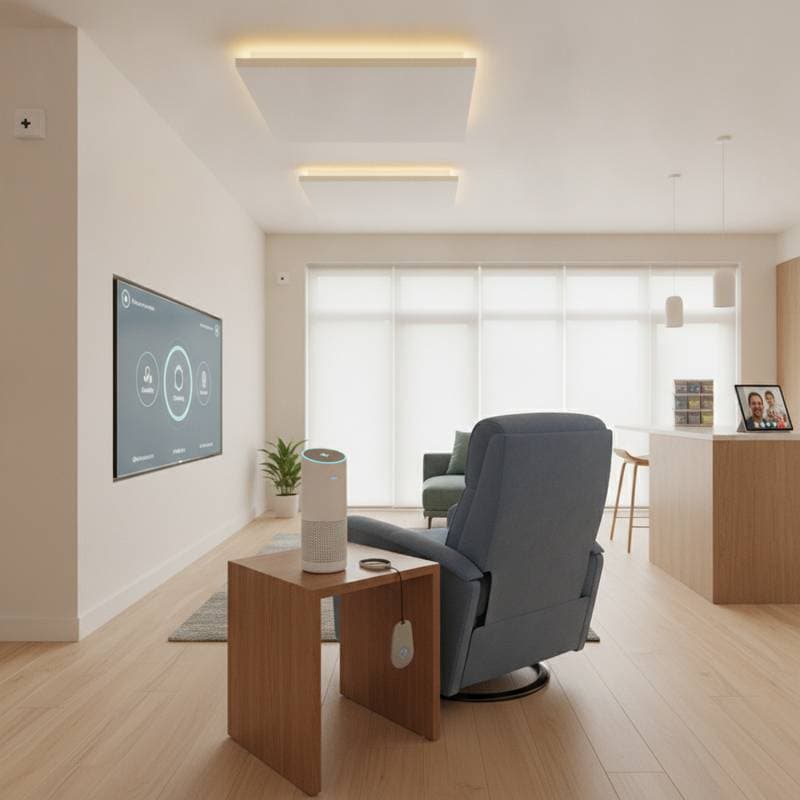
Sound and scent elements, though frequently underemphasized, profoundly influence relaxation and restoration. Smart speakers deliver ambient noises or adaptive soundscapes that neutralize external disruptions. Connected diffusers from brands like Vitruvi or Aera dispense essential oils on schedule to evoke tranquility.
Combining these sensory inputs trains the brain to link specific cues with relaxation, solidifying positive sleep associations. With consistent use, the body responds instinctively, facilitating smoother entry into restorative states with reduced conscious effort.
6. Seamless Whole-Home Systems for Sustained Wellness
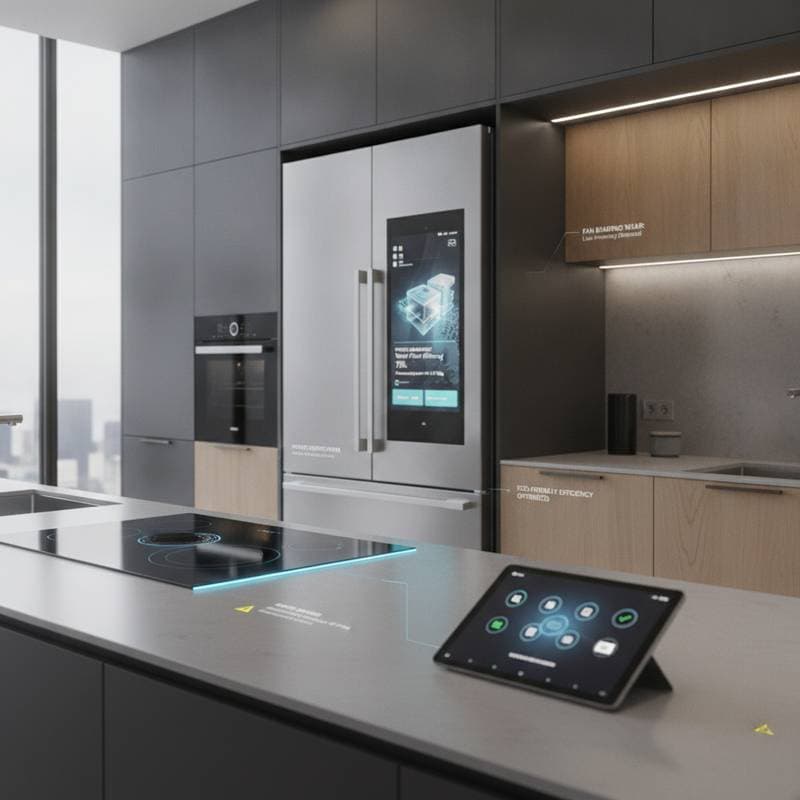
Sophisticated sleep solutions extend influence beyond the bedroom to the entire residence. Hallway lights provide soft illumination during nighttime awakenings. Automated blinds rise progressively in the morning, introducing daylight without jarring interruptions. Kitchen devices can delay operations, such as coffee preparation, until sleep data confirms full alertness.
This interconnected approach creates a proactive home environment that nurtures recovery continuously. Users emerge from sleep invigorated and prepared, avoiding the fatigue of hasty starts.
Implement Smart Integration for Enduring Health Benefits
Smart sleep technology transitions from specialized offerings to accessible essentials as compatibility and affordability improve. Incremental enhancements yield substantial gains in sleep efficacy for any household.
Prioritizing superior rest cultivates heightened concentration, bolstered immunity, and emotional equilibrium. Delegating environmental management to technology allows the body to recharge under ideal circumstances, supporting long-term vitality.