Smart Fridges Monitor Expiration Dates to Reduce Food Waste
Almost half of households discard food weekly due to overlooked expiration. Smart fridges address this issue with sensors, cameras, and linked apps that track dates and minimize waste. These refrigerators go beyond cooling; they enable consumers to save money and adopt sustainable practices.
The Common Issue in Modern Kitchens
Refrigerators often hide forgotten leftovers and unidentified containers. Standard models provide no visibility into contents or spoilage risks. This leads to discarded produce, outdated dairy, and extra grocery runs. Research indicates households lose hundreds of dollars annually on avoidable food waste.
Such waste carries environmental and economic burdens. Discarded food squanders production, transportation, and storage efforts. Rising awareness has elevated food tracking as a focus for consumers and manufacturers, spurring advances in smart refrigeration.
Mechanisms for Tracking Food Freshness
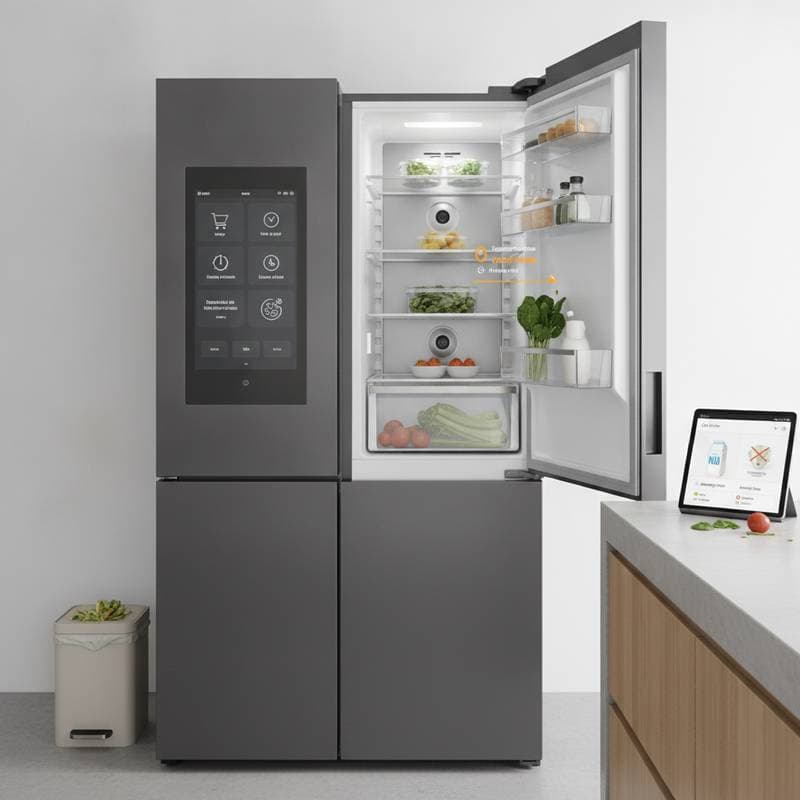
Contemporary smart fridges integrate internal cameras, barcode readers, and labeling tools to catalog contents. Upon shelving groceries, the unit identifies items and builds a digital log. Users scan receipts or barcodes via an app to input purchase dates and predict shelf life.
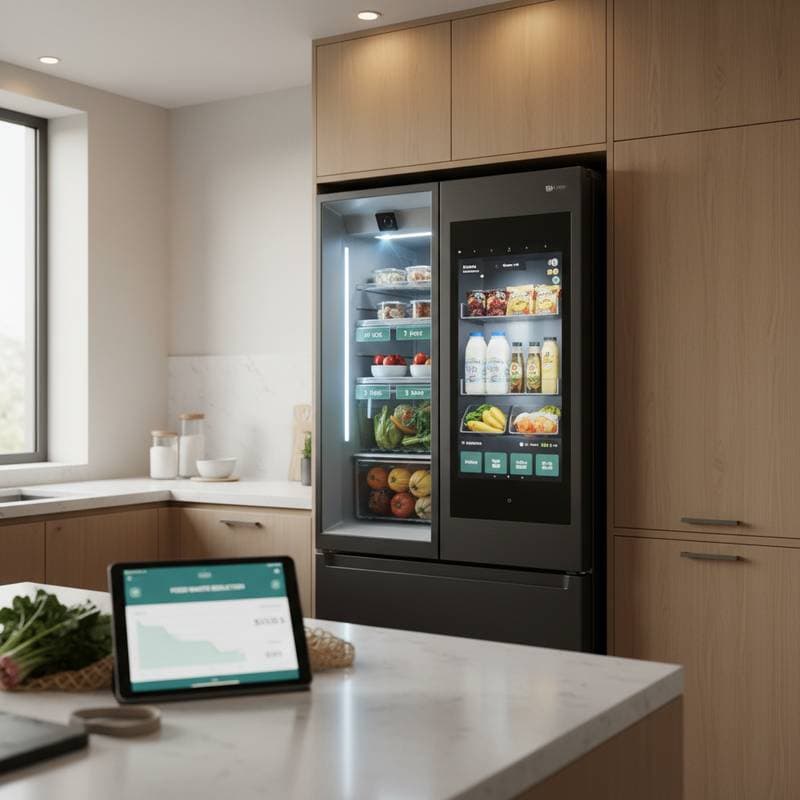
Image recognition algorithms visually detect produce and packaged goods. Integration with delivery services updates inventories automatically. The system tracks remaining shelf life and issues alerts for nearing expirations. Notifications might warn of milk expiring soon or prompt use of berries before spoilage.
Automation shifts inventory management from estimation to precision. Users plan meals around soon-to-expire items, cutting waste and shopping expenses. Regular checks prevent surprises during cleaning.
Significance of This Innovation
Reducing food waste benefits budgets and advances sustainability. Less household disposal decreases landfill methane and preserves farming resources. Experts forecast widespread adoption will influence daily eco-friendly behaviors.
Convenience aligns with evolving smart lifestyles. Kitchens now form interconnected networks where devices share data. Fridges suggest recipes from expiring ingredients or update shopping lists digitally, blending practicality with foresight.
Leading Models and Their Features
Prominent brands offer refrigerators emphasizing inventory control. Samsung Family Hub units feature interior cameras for remote content viewing during shopping trips. LG InstaView ThinQ connects to an app for expiration tracking and recipe recommendations.
Bosch and Whirlpool models link with delivery apps to reorder essentials at low stock. These designs promote synergy with home networks, including voice controls, scales, and ovens. Coordinated systems streamline cooking and purchasing while promoting intentional use.
Setup and Everyday Operation
Manufacturers prioritize ease in advanced features. Initial setup requires Wi-Fi connection and app download. Users enter items manually, scan codes, or let cameras auto-detect.
Interfaces display visual inventories, timers, and meal ideas intuitively. Customize alerts for mobile, screen, or voice delivery. Certain units optimize temperatures by item type to extend freshness. Busy families gain from reduced spoilage and simplified planning.
Potential Drawbacks and Solutions
Premium pricing limits access compared to basic models. Connected devices gather data on habits, raising privacy concerns. Companies enhance security and disclose data practices clearly.
Varied brand protocols hinder device compatibility. Emerging standards like Matter aim to enable seamless mixing of products. These efforts address integration gaps for broader appeal.
Impacts on Daily Household Activities
Primary advantages include streamlined routines. Review app inventories en route home to select dinners accurately, avoiding excess purchases. Families share lists, track snacks, and prioritize perishable meals.
Health-focused users benefit from nutrition logging and diet-aligned suggestions. Syncing with planners provides tailored recipes. The fridge evolves into a supportive tool for wellness and efficiency.
Driving Forces in the Smart Appliance Sector
Surveys reveal strong interest in tech that merges ease with eco-impact. Smart fridges embody this balance, tackling waste without disrupting habits. Scaling adoption should lower costs, increasing reach.
Grocers and brands explore interactive packaging for direct fridge communication on freshness. Such partnerships could optimize supply chains, aiding all stakeholders through informed flows.
Adopting Smart Refrigeration for Sustainable Savings
Smart fridges make eco-conscious choices routine by monitoring dates, proposing meals, and handling lists. They convert waste challenges into efficiencies. Upgrading yields quick financial returns and organized living. Future enhancements will adapt to patterns, deepening home integrations for mindful resource use.