AI-Powered Smart Refrigerators Combat Food Waste
Smart homes advance rapidly, with kitchens leading the charge in innovative appliances. Smart refrigerators stand out for their role in promoting sustainability. These devices go beyond basic cooling to actively monitor contents, learn user patterns, and assist in waste reduction.
Equipped with advanced technology, smart refrigerators identify items, track storage duration, and provide actionable alerts. This capability addresses a common household issue: discarding edible food due to oversight or misjudged shelf life. By integrating intelligence into daily routines, these appliances foster efficient resource use.
Enhancing Inventory Management with Sensors and Vision
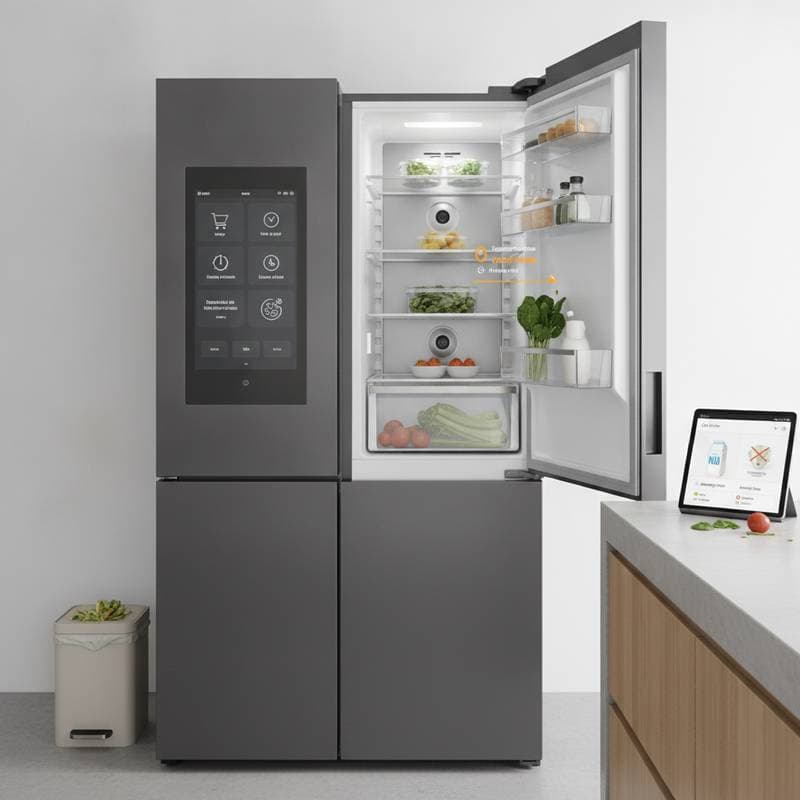
Smart refrigerators employ internal cameras and sensors to catalog contents precisely. They distinguish between items like dairy products and vegetables, then log entry dates. Data syncs to a mobile application, allowing remote access to fridge status.
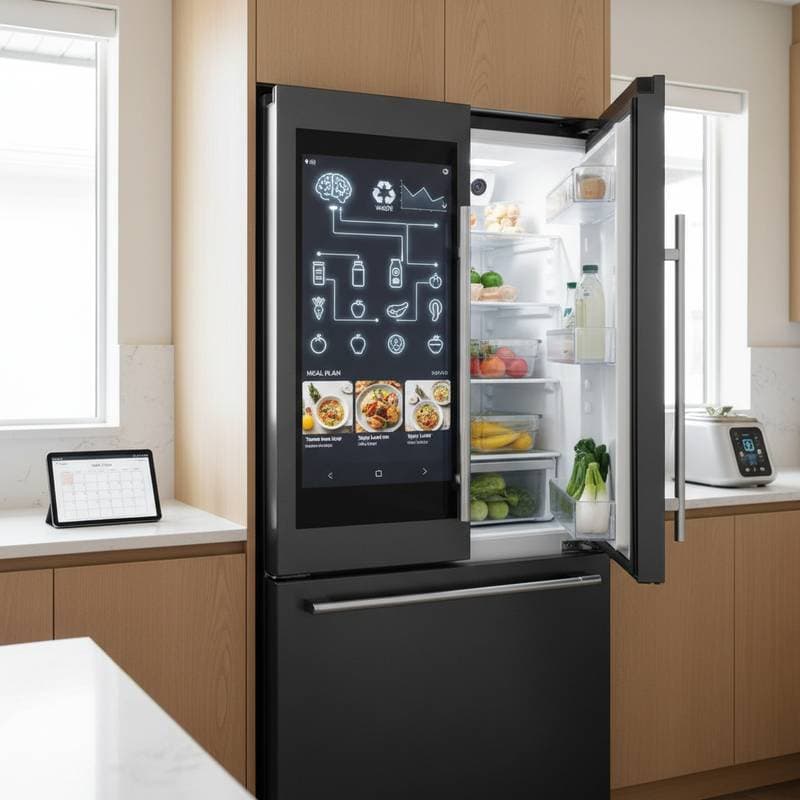
This feature tackles food waste directly, as households often discard items forgotten in the back. For example, select models notify users of approaching expiration dates and propose recipes using available ingredients. Samsung Family Hub refrigerators exemplify this by scanning interiors and generating personalized meal plans, which minimizes spoilage and encourages inventive cooking.
Users report fewer grocery runs and less overbuying once they rely on these notifications. To maximize benefits, scan barcodes during stocking or manually input items via the app. Regular updates ensure accuracy in tracking.
Leveraging AI for Predictive Monitoring
Advanced artificial intelligence analyzes consumption habits to anticipate needs. The system observes patterns, such as weekly produce purchases, and issues timely replenishment reminders. It also flags items at risk of spoiling and suggests quick uses.
LG InstaView ThinQ models combine image recognition with environmental controls. They adjust humidity levels in dedicated drawers to extend produce life. This proactive method mimics professional inventory systems, applying them to home settings.
Homeowners gain confidence in meal preparation without constant manual checks. Over months, the AI refines suggestions based on feedback, creating a tailored experience. Integrate voice commands for hands-free queries on stock levels.
Integrating with Smart Kitchen Ecosystems
Connectivity extends smart refrigerators' value through links to other devices. Inventory data flows to ovens, displays, or assistants, enabling seamless recipe matching. Query available ingredients, and receive options optimized for current stock.
This integration supports sustainable practices by prioritizing soon-to-expire items in suggestions. Whirlpool systems automate grocery lists, focusing on essentials to avoid excess purchases. Busy families find meal planning streamlined, reducing stress from daily decisions.
Set up integrations during initial configuration to unlock full potential. Compatible platforms like Google Home or Amazon Alexa enhance voice-activated control. Test recipes from the app to verify compatibility before cooking.
Optimizing Energy Use for Greener Operations
Efficiency defines modern smart refrigerators beyond food management. Adaptive cooling adjusts to door openings and load levels, conserving power. Applications display usage stats, with options to enable low-energy modes from afar.
Lower consumption translates to reduced utility costs and environmental footprint. Pair this with waste reduction for compounded benefits in sustainable living. Manufacturers prioritize certifications like Energy Star to validate performance.
Monitor patterns through the app to identify peak usage times. Adjust settings seasonally for optimal efficiency. These features make the appliance a cornerstone of responsible home management.
Addressing Adoption Challenges
Potential users may worry about data privacy or setup complexity. Systems process information on-device, limiting external sharing. Interfaces simplify onboarding: connect to Wi-Fi, then use the app for initial scans.
Initial costs exceed traditional models, but savings from less waste and energy use offset this over time. Compare long-term value by calculating annual grocery reductions. Market growth drives price drops, broadening accessibility.
Seek models with user reviews highlighting reliability. Trial apps in stores to assess intuitiveness. These steps build confidence in the technology.
Embracing a Waste-Reduced Lifestyle
These refrigerators align with growing preferences for mindful consumption. They provide data-backed prompts to use ingredients fully and eat seasonally. Daily interactions shift habits toward intentional choices.
Visualize automated sorting upon return from shopping, followed by usage alerts and recipe ideas. This support elevates kitchen efficiency without overwhelming users. It harmonizes convenience with ecological awareness.
Advancing Toward Integrated Home Kitchens
Future iterations promise tighter ecosystem ties. Enhanced standards will enable fluid data exchange across devices. Link to fitness apps for nutrition-aligned meals or services for direct ordering.
Improved AI boosts recognition precision and suggestion relevance. Expand databases for diverse cuisines and restrictions. The result: a responsive kitchen hub that evolves with user needs.
Steps to Implement Smart Fridge Benefits
Evaluate current habits to select a fitting model. Prioritize features like accurate scanning and app usability. Install and calibrate promptly for immediate gains.
Track progress monthly via app reports on waste avoided. Adjust preferences to refine AI learning. This approach ensures sustained value from the investment.
Smart refrigerators empower households to minimize waste effectively. They deliver practical tools for a more controlled, sustainable kitchen environment.